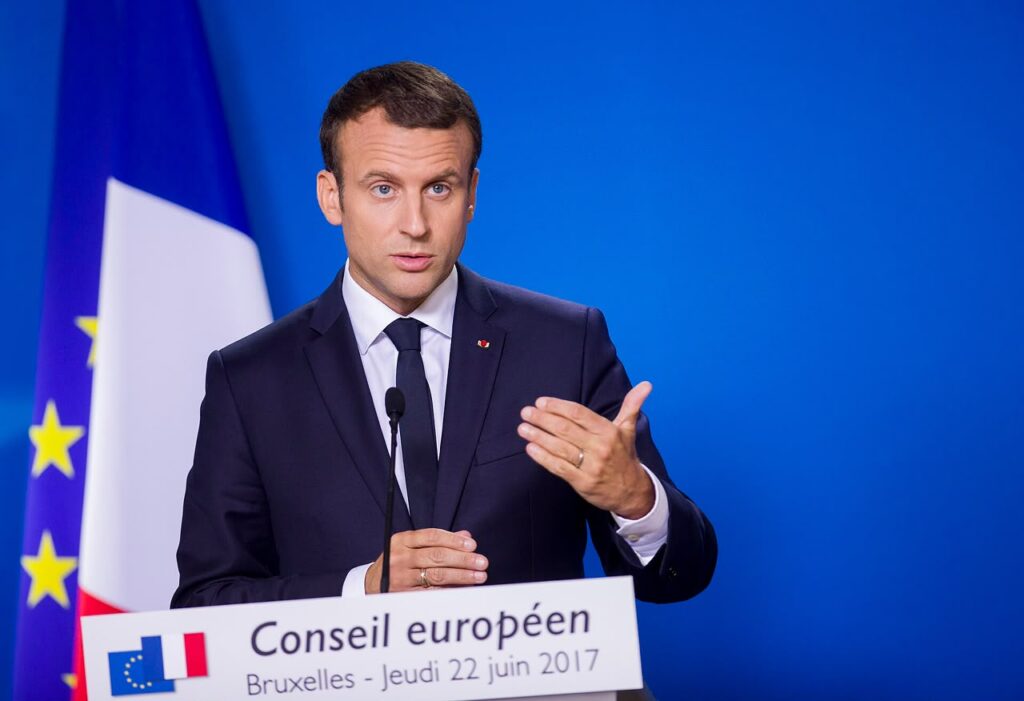
The European Union adopted a new and expansive package of sanctions against Russia, described by EU officials as one of the largest since the invasion of Ukraine began. The package targets the Russian military-industrial complex specifically — the network of factories, suppliers, and financial intermediaries that sustain Russian weapons production.
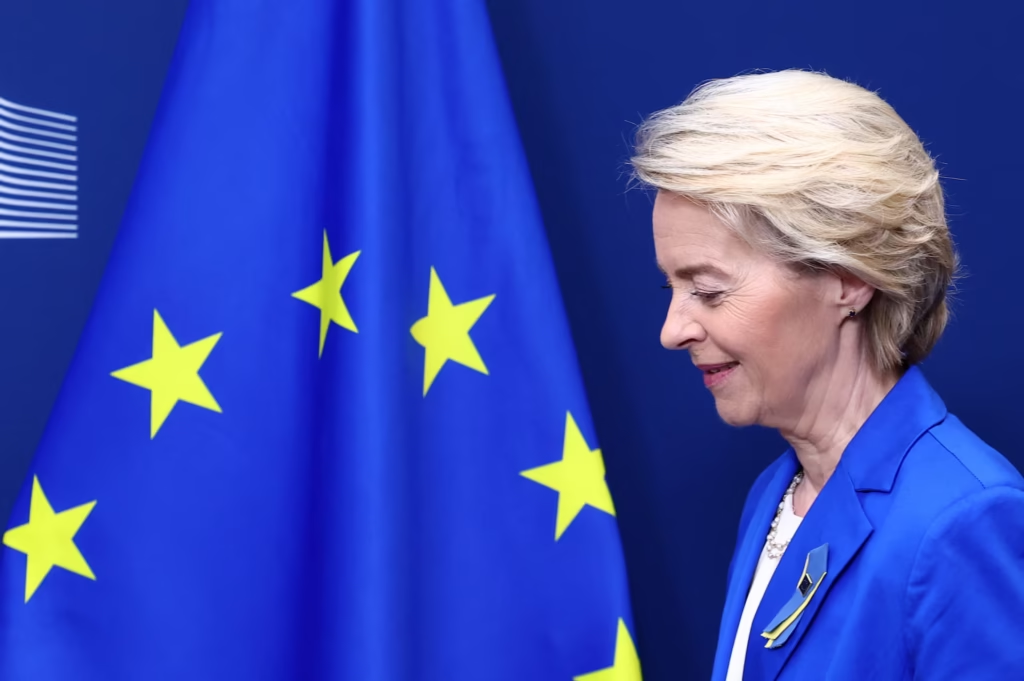
🇪🇺 BRUSSELS · OCTOBER 13, 2026 · EU RUSSIA SANCTIONS
The European Union formally adopted a new sanctions package against Russia. EU statements and Reuters confirmed that officials are describing it as one of the largest such packages since the full-scale invasion of Ukraine began in February 2022. The primary target is the Russian military-industrial complex: the manufacturing base, the supply chain networks, and the financial infrastructure that produce and sustain Russian weapons, ammunition, and military equipment. Sanctioning the military-industrial complex directly, rather than focusing on energy exports or oligarch assets, represents a targeting philosophy aimed at degrading the productive capacity of the war machine rather than inflicting economic pain on the broader population.
The scope of the military-industrial complex sanctions matters as much as the headline size. The EU has, over previous sanction packages, worked to close loopholes that allowed third-country transshipment — the routing of sanctioned goods through non-EU countries to reach Russia. If the current package meaningfully constrains third-country circumvention routes, its practical impact will be significantly larger than previous packages of comparable nominal size. Whether that constraint is achievable depends on the diplomatic leverage the EU can bring to bear on the third countries that have been serving as transshipment hubs.
THE MILITARY-INDUSTRIAL TARGETING LOGIC
Russia has been running a wartime economy for two and a half years. It has significantly increased domestic arms production, rebuilt stockpiles that were depleted in the early phases of the invasion, and found alternative supply chains for components that Western sanctions cut off. The sanctions have imposed costs: they have driven up the prices Russia pays for sanctioned goods, required elaborate workarounds, and removed some capabilities. But Russia has adapted. The current package is designed to target the parts of the industrial base that are hardest to replace through adaptation — precision components, dual-use electronics, and the financial networks that clear payments for military procurement.
The political context in Europe is significant. The EU adopting a large sanctions package in the same news cycle as Trump is pursuing the Russia diesel deal creates a visible transatlantic divergence on Russia economic policy. European allies are tightening sanctions while the United States is purchasing Russian diesel. That divergence is not new — it has been building since the early months of the Trump second term — but it becomes more visible with each concrete action in both directions.
IMPLEMENTATION AND ENFORCEMENT
EU sanctions are adopted unanimously by member states and then implemented through national enforcement mechanisms. The history of EU Russia sanctions enforcement shows that the strength of the package depends heavily on enforcement consistency across 27 member states with different enforcement capabilities and political relationships with Russia. Hungary has historically been the most resistant member state to Russia sanctions; whether the current package cleared the Hungarian objection, and on what terms, is a detail that Reuters and EU statement tracking will eventually clarify.
“The EU adopted what it says is one of its biggest Russia sanctions packages since the war began. It targets the military-industrial complex directly. Meanwhile the United States is buying Russian diesel. Those two facts belong in the same sentence.”
WHAT HAPPENS NEXT
► Package details — full list of sanctioned entities, individuals, and goods published in the EU Official Journal
► Hungarian compliance — whether Hungary implemented the package without carve-outs
► Third-country response — reaction from transshipment hubs (Turkey, UAE, Kazakhstan, others)
► US-EU coordination — whether Washington acknowledges the transatlantic divergence formally
► Enforcement tracking — NGO and journalist monitoring of circumvention activity
| CONFIDENCE: HIGH | Reuters and EU statements confirmed adoption of new Russia sanctions package targeting military-industrial complex, described as one of the largest since invasion began. |
| BIAS CHECK | ASSESSMENT |
| Source weight | Reuters, EU statements — wire plus primary source confirmation |
| Package size | Described as EU-characterized “one of the largest”; superlative attributed to officials, not editorial |
| Enforcement framing | Implementation concerns characterized as historical pattern; not as prediction of failure |
| US comparison | Diesel deal divergence noted as factual contrast; not editorially framed as condemnation |
SOURCES
► Reuters — EU adopts Russia sanctions package, military-industrial complex, October 13, 2026
► EU statements — Official adoption confirmation, scope and targeting, October 13, 2026