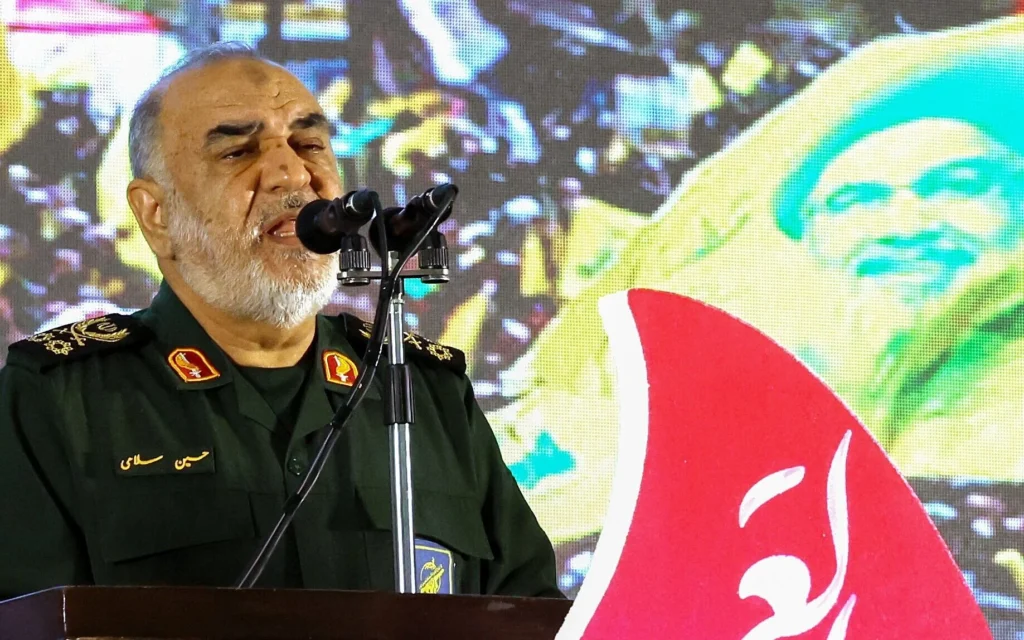
Israeli minister Amichai Chikli says Syria and Turkey now pose a greater threat than Iran following the U.S.-Iran ceasefire agreement.
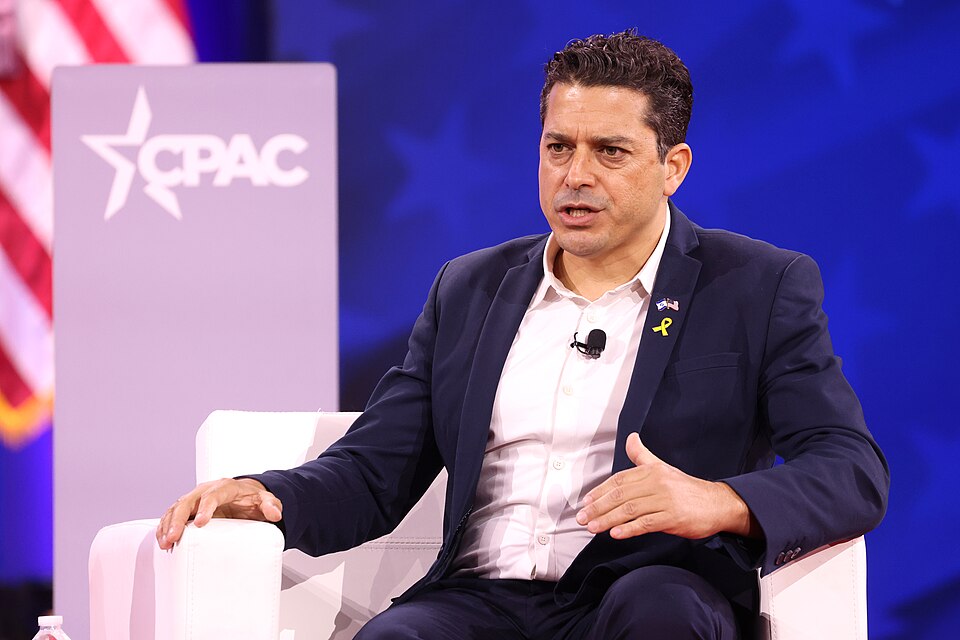
Minister of Diaspora Affairs for Israel Amichai Chikli speaking at the 2025 Conservative Political Action Conference (CPAC) at the Gaylord National Resort & Convention Center in National Harbor, Maryland. Credits: Gage Skidmore from Surprise, AZ, United States of America
JERUSALEM — Just days after the United States and Iran announced a ceasefire framework aimed at reducing tensions across the Middle East, a senior Israeli minister has warned that Israel may eventually face conflict with Syria.
Diaspora Affairs Minister Amichai Chikli said Syria—and its ally Turkey—now represent a greater long-term strategic challenge than Iran, describing the possibility of confrontation as a matter of “sooner or later.”
The comments come as Washington and Tehran attempt to preserve a fragile diplomatic agreement that called for an immediate ceasefire and opened a 60-day window for broader negotiations.
A Different View from Jerusalem
While the U.S.-Iran agreement was presented as a step toward regional de-escalation, Israel was not involved in the negotiations.
Prime Minister Benjamin Netanyahu has repeatedly said Israel retains the freedom to act militarily against threats such as Hezbollah and has maintained that the country’s security operations will continue when necessary.
Chikli’s remarks suggest that some Israeli officials believe the region’s primary security concerns now extend beyond Iran itself.
Why Syria Matters
For years, Syria has served as a key transit route for Iranian-backed groups and Hezbollah, making it a focal point of Israel’s security strategy.
Israel has conducted numerous military operations targeting weapons shipments and militant infrastructure inside Syria, arguing these actions are necessary to prevent attacks on Israeli territory.
Supporters of Israel’s position argue that these networks remain active despite recent diplomatic efforts.
Others contend that expanding military operations risks undermining broader attempts to reduce tensions across the region.
The Role of Turkey
Chikli also identified Turkey as part of Israel’s growing strategic challenge.
Relations between the two countries have deteriorated over disagreements surrounding Gaza, Syria, and wider regional policy.
While Turkey remains a NATO member, political tensions with Israel have intensified in recent years.
What Comes Next
Whether Chikli’s comments reflect future Israeli policy remains unclear.
The U.S.-Iran ceasefire framework is still in its early stages, and diplomats continue to seek broader regional stability.
However, renewed fighting in Lebanon and increasingly sharp rhetoric from regional leaders underscore how fragile the current situation remains.
For now, the agreement faces an early test: can diplomacy hold, or will competing security priorities push the region toward another escalation?
At Onyx News, we’ll continue monitoring developments as they unfold.
Don’t forget to subscribe us for daily update.