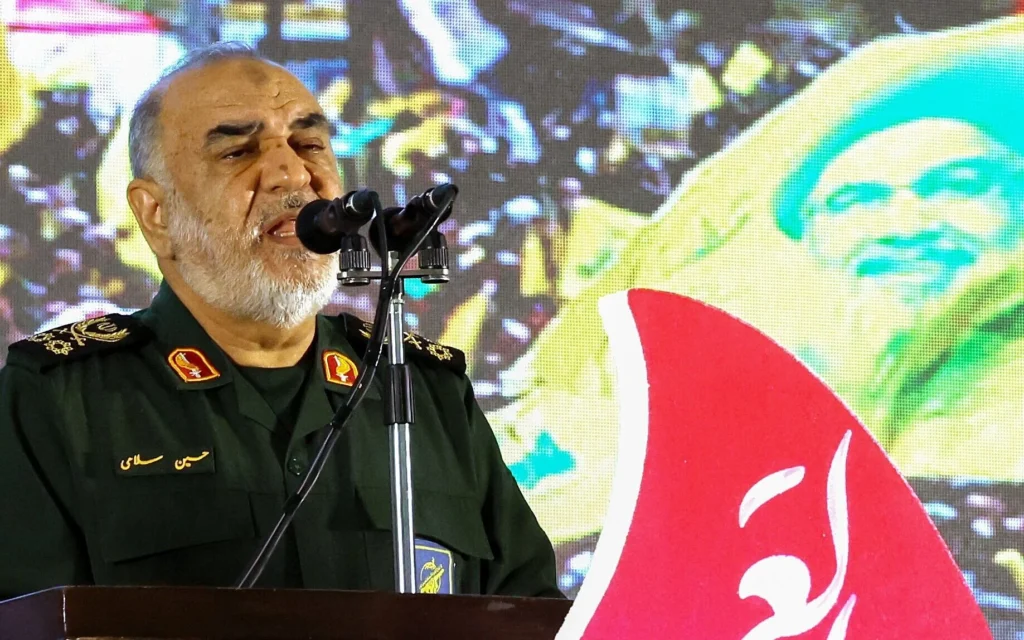
The United States and Iran exchanged direct military strikes after Iranian missiles and drones targeted U.S. military facilities in Bahrain and Kuwait, raising fears of a wider regional conflict.
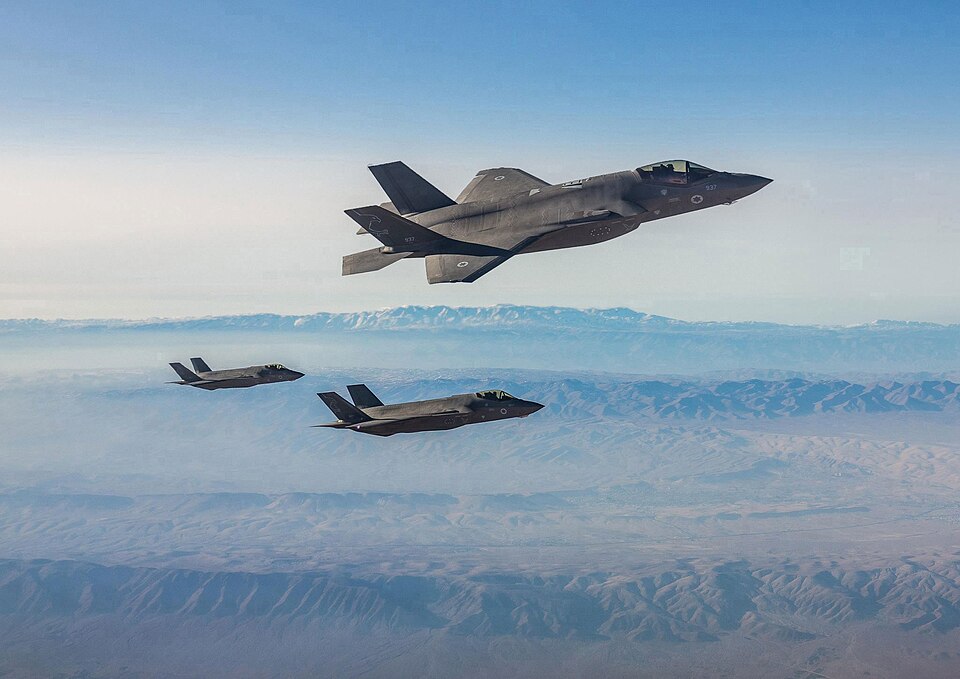
US-Iran conflict enters a dangerous new phase
The conflict between the United States and Iran escalated sharply this weekend as both countries exchanged direct military strikes, marking one of the most serious confrontations between the two nations in recent years.
According to Iranian officials, the Islamic Revolutionary Guard Corps (IRGC) launched ballistic missiles and drones targeting the U.S. Ali Al Salem Air Base in Kuwait and facilities linked to the U.S. Fifth Fleet in Bahrain. The attacks came in response to recent U.S. airstrikes on Iranian military targets.
The strikes represent a significant escalation, moving beyond proxy conflicts and into direct military engagement between Washington and Tehran.
United States launches follow-up strikes
U.S. Central Command later confirmed additional military operations against Iranian targets, describing them as part of efforts to protect American personnel and interests in the region.
The renewed strikes followed warnings from President Donald Trump, who said the United States would “complete the job” if Iran failed to comply with ceasefire efforts and continued its military actions.
The latest exchange has intensified concerns that the conflict could expand beyond Iran and Israel, drawing more countries into a broader regional crisis.
Iran threatens to halt negotiations
Alongside the military response, Tehran warned that negotiations aimed at ending the conflict could collapse entirely if U.S. military operations continue.
Iranian officials accused Washington of undermining diplomatic efforts while continuing military pressure, saying further attacks would make future negotiations impossible.
The warning casts fresh uncertainty over attempts by international mediators to reduce tensions across the Middle East.
Gulf states caught in the middle
The reported attacks on Bahrain and Kuwait highlight how neighboring Gulf countries are increasingly being drawn into the confrontation due to the presence of U.S. military installations on their territory.
Both countries host strategic American military assets that play a key role in regional security and operations throughout the Middle East.
Analysts warn that continued attacks on these facilities could significantly increase the risk of a wider regional conflict involving multiple states.
What happens next?
Military analysts say the coming days will be critical.
If both Washington and Tehran continue responding with direct military action, the confrontation could develop into the most dangerous U.S.-Iran crisis in years.
Diplomatic efforts remain ongoing, but the latest exchange has dramatically raised the stakes for regional stability and global energy security.
Onyx News will continue monitoring official statements and verified developments as the situation evolves.