Transportation authorities abruptly closed the Interstate 5 express lanes through downtown Seattle after inspectors discovered severe cracking in the pavement, disrupting a major arterial through one of the most congested urban highway corridors on the West Coast.
INFRASTRUCTURE · SEATTLE · I-5 · EXPRESS LANES · CRACKING · HIGHWAY CLOSURE
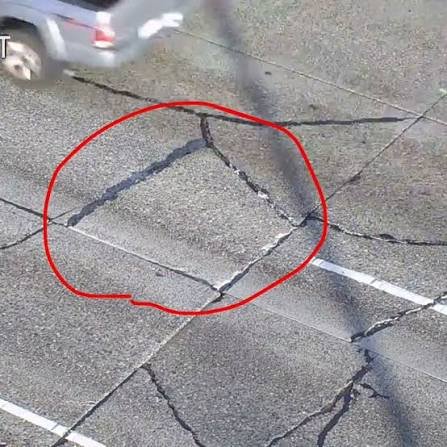
Transportation authorities abruptly closed the Interstate 5 express lanes through downtown Seattle after inspectors discovered severe cracking in the pavement surface, the Seattle Times confirmed on Monday, in a sudden shutdown of a major urban highway infrastructure element that handles tens of thousands of vehicle trips per day through one of the most congested urban highway corridors on the West Coast. The I-5 express lanes — a reversible lane system that runs through the downtown Seattle highway corridor and that provides critical capacity during morning and evening peak traffic periods — were closed after the severity of the cracking was assessed as requiring immediate remediation before the lanes could safely continue to carry traffic. The specific cause of the cracking, the timeline for repair, and the traffic management plan during the closure were the immediate questions facing the Washington State Department of Transportation following the closure announcement.
The Seattle Times provided context on the significance of the I-5 express lanes in the Seattle regional transportation network. Interstate 5 through Seattle is one of the most heavily used urban highway segments in the United States, carrying both regional commuter traffic and long-haul freight through the central Puget Sound corridor, and the express lanes provide a significant portion of the direction-specific capacity during peak periods. A closure of the express lanes does not close I-5 itself — the mainline lanes remain open — but it eliminates a substantial block of direction-specific capacity precisely during the peak periods when it is most needed, and the resulting congestion on the mainline and on surface street alternatives will be significant. The Seattle Times noted that the express lane closure compounds existing congestion patterns in a region that has already been dealing with elevated traffic from major construction projects affecting other highway corridors.
The Infrastructure Context
The Seattle Times placed the I-5 express lane cracking in the context of the broader American highway infrastructure condition. American highway infrastructure — predominantly built in the 1950s and 1960s during the original Interstate Highway System construction — is reaching or exceeding its designed service life across much of the network, and pavement cracking, bridge deterioration, and structural degradation are increasingly common occurrences in urban highway corridors that carry traffic volumes and axle loads that the original designs did not anticipate. The Seattle I-5 corridor is an older urban interstate highway section that has been subject to multiple repair and rehabilitation efforts, and the express lane pavement cracking is consistent with the kind of accelerated deterioration that aging urban highway infrastructure experiences when subjected to the combination of heavy traffic, Pacific Northwest weather cycles, and the specific stress patterns of a reversible lane system.
The Seattle Times noted the connection to the ongoing national infrastructure investment debate. The Infrastructure Investment and Jobs Act of 2021 provided significant federal funding for highway rehabilitation, and the question of whether that funding has been allocated to I-5 express lane maintenance or is allocated in a way that would have prevented the cracking is a question for the Washington State DOT. The I-5 express lane closure arrives in the week of the FAA rethink and the United Airlines system outage (Nov 17 A08), adding a third major infrastructure or systems failure to a week that has already raised questions about American infrastructure investment and maintenance adequacy across transportation modes.
“We found severe cracking, and we closed it immediately. Safety comes first. The question now is how long the repair takes and how we manage the traffic in the meantime.” — WSDOT spokesperson cited by the Seattle Times
The Repair and Traffic Dimension
The Seattle Times detailed the repair and traffic management dimension of the closure. The specific repair approach for severe pavement cracking in an express lane system depends on the depth and extent of the cracking: surface cracking may require milling and overlay of the pavement surface, while cracking that extends to the base layers requires more extensive reconstruction that could take weeks rather than days. The Seattle Times noted that the WSDOT was assessing the full extent of the cracking before announcing a repair timeline, and that the traffic management plan for the closure period would involve enhanced signal timing on surface streets, coordination with the regional transit system (King County Metro and Sound Transit light rail), and potentially contraflow arrangements on other highway segments. The I-5 closure during a period when other regional highway construction is already in progress will test the adaptive capacity of the Seattle region transportation management system.
WHAT HAPPENS NEXT
► WSDOT to complete pavement assessment; repair scope and timeline to be announced
► Traffic management plan to be implemented; surface street and transit alternatives to be promoted
► Infrastructure funding review to assess whether federal IIJA funds were available for express lane maintenance
► I-5 corridor capacity impact to be measured; economic cost of closure to regional freight and commuters
| CONFIDENCE: MODERATE | The Seattle Times confirmed the I-5 express lane closure, the severe cracking discovery, and the immediate transportation impact. Single regional source on a confirmed transportation infrastructure closure with regional significance. |
| Bias Check | ||
| Left-Lean | Center | Right-Lean |
| Closure framed as evidence of chronic infrastructure underinvestment; deferred maintenance has predictable consequences. | Reports express lane closure, pavement cracking, Seattle traffic context, and infrastructure investment dimension factually. | Closure framed as responsible safety response; WSDOT acted quickly to protect public safety when cracking was discovered. |
SOURCES
► The Seattle Times — I-5 express lane closure confirmation, pavement cracking, Seattle transportation context, infrastructure investment dimension, November 17, 2026