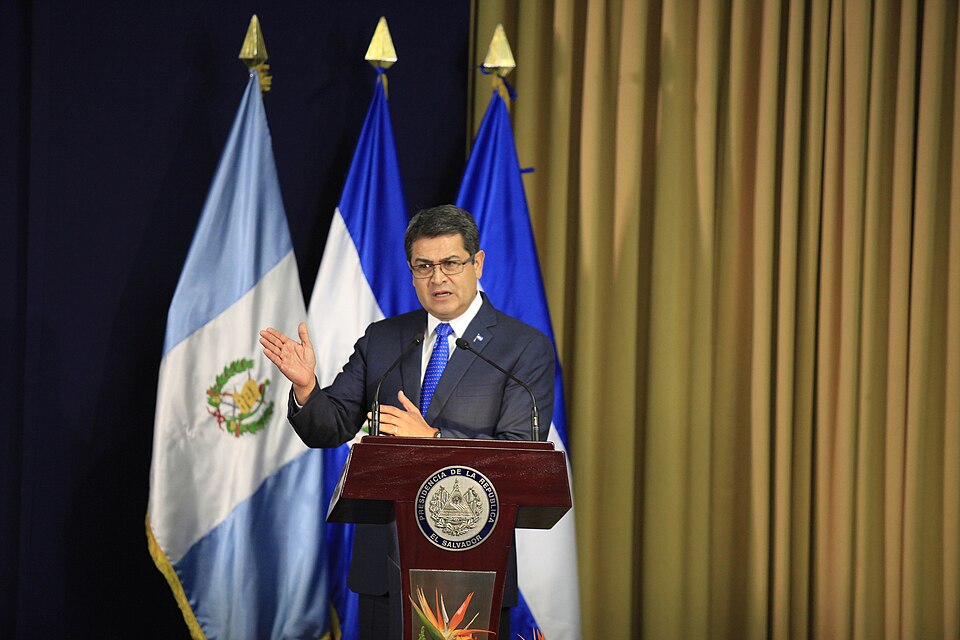
Juan Orlando Hernández’s mid-trial release in Honduras is a data point about the difficulty of domestic accountability for former heads of state, even after US extradition, conviction, and sentence. The case has been described as a significant test for whether Central American democracies can hold powerful former leaders accountable through their own judicial systems. The mid-trial release — not a verdict, not an exoneration, but a procedural release during proceedings — complicates that test.
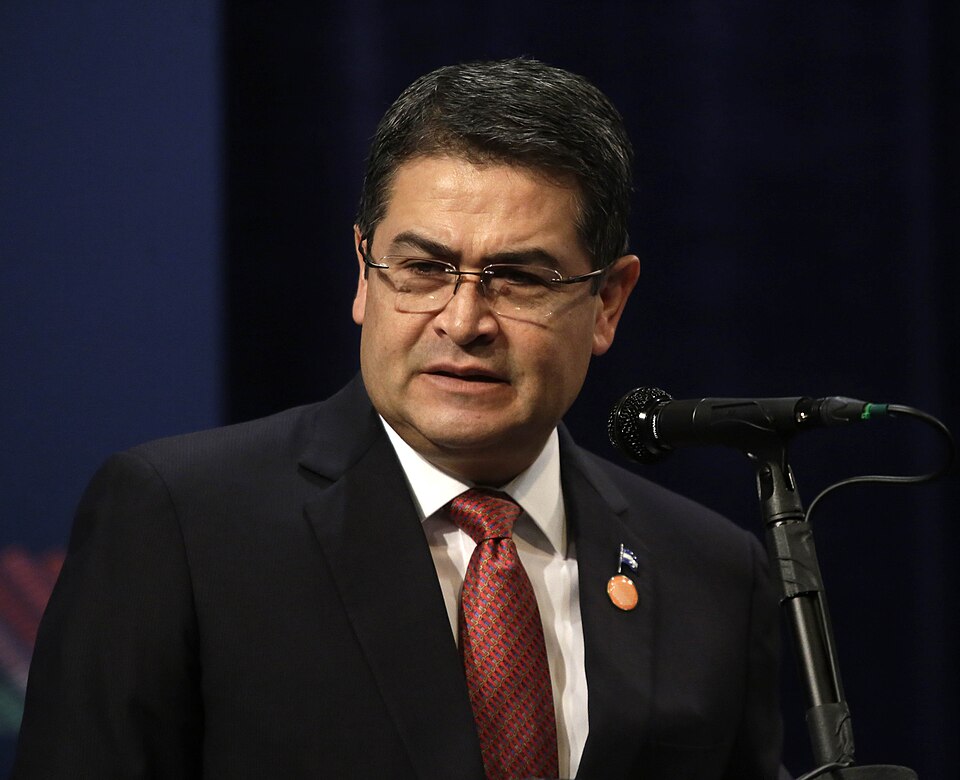
THE BROADER REGIONAL SIGNIFICANCE
Honduras’s attempt to prosecute Hernández through its domestic courts, after his US conviction, is genuinely unusual. Most high-level Latin American corruption cases produce some combination of prolonged legal proceedings, extended exile, political rehabilitation, or quiet resolution. Hernández’s case has proceeded further than most. The question now is whether a mid-trial release represents a temporary procedural accommodation or the beginning of a gradual case dissolution.
For other leaders in the region: every former president in Central America is watching Hernández’s case to see whether domestic accountability has become real or remains aspirational. The mid-trial release sends a mixed signal — the proceedings continue, but the defendant is no longer in custody. The power of pre-trial detention as an accountability signal is now diminished.
| CONFIDENCE: HIGH | Hernández’s US conviction, extradition history, and Honduran domestic proceedings are documented public record. Mid-trial release is confirmed by NPR. Analysis of regional implications is ONYX editorial. |
SOURCES
▸ NPR — Hernández release, August 2026
▸ DOJ — US conviction documentation
▸ Honduras domestic proceedings record