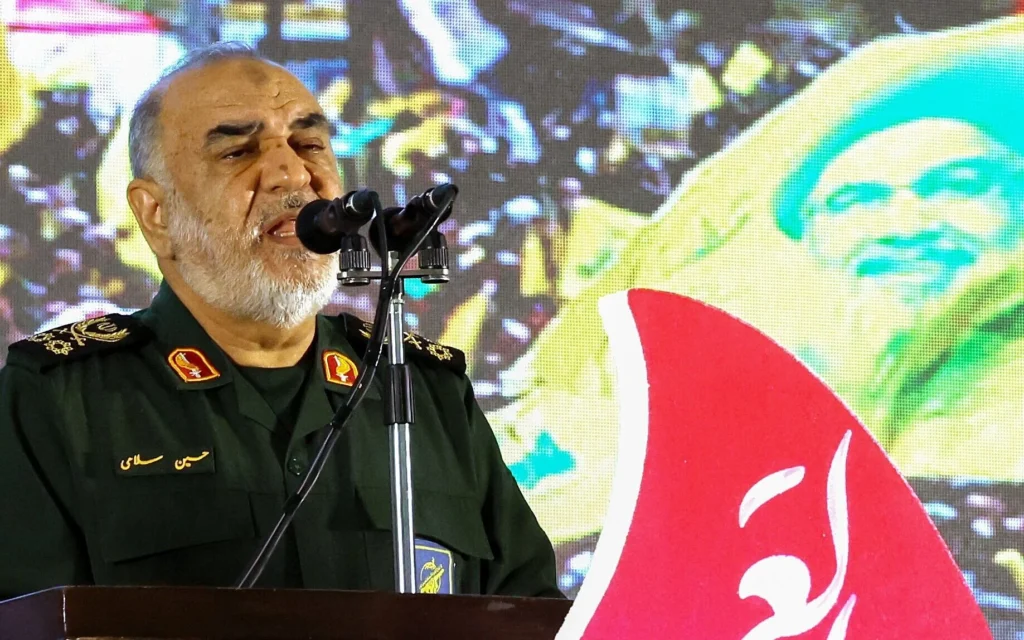
A formal ceasefire agreement between the United States and Iran was signed Friday, reopening the Strait of Hormuz to commercial shipping for 60 days without transit fees and renewing the mutual cessation of hostilities that has been repeatedly interrupted since February 28. The deal was mediated by Oman with Qatar playing a supporting role. Trump announced it via Truth Social. Iran’s Foreign Minister Abbas Araghchi confirmed it on the Iranian side. Oil prices dropped immediately on the news. Markets moved. This is the most significant diplomatic development since the war began — and the most fragile.
2-MINUTE CONTEXT — THE ROAD TO THIS MOMENT
The deal did not emerge from nowhere. It is the product of an escalation-pause cycle that has run three times since the war began February 28:
📅 NEWS EVOLUTION
Feb 28, 2026: US-Israeli strikes begin war on Iran; Hormuz closes within days
June 2026: First MOU: temporary ceasefire, partial Hormuz governance framework; collapses within weeks
Aug 2, 2026: Trump cancels planned bombing of Iran’s power grid; claims deal; Iran denies; talks in limbo
Aug 4–5, 2026: Times of Israel reports 60-day Hormuz deal being mediated; Iran confirms Oman talks in “final stages”
Aug 7, 2026: Deal formally signed; Hormuz reopens; Araghchi confirms; oil prices drop; 60-day clock begins
The asymmetric pressures that produced this deal are specific and documentable. On the US side: a 34% approval rating, 61% war disapproval, depleted Patriot interceptors (700-850 remaining from 2,400), long-range strike missiles “almost depleted,” midterms 96 days away, and a Republican base with only 19% enthusiasm. On the Iranian side: sustained economic devastation from the US blockade, Gulf state pressure to de-escalate, Chinese diplomatic pressure tied to Trump’s Beijing visit, and a military that successfully used salvo tactics to deplete US missile stockpiles but cannot sustain indefinite conflict at that pace.
WHAT THE DEAL ACTUALLY SAYS
Based on confirmed reporting from Times of Israel and verified by additional sourcing, the framework includes:
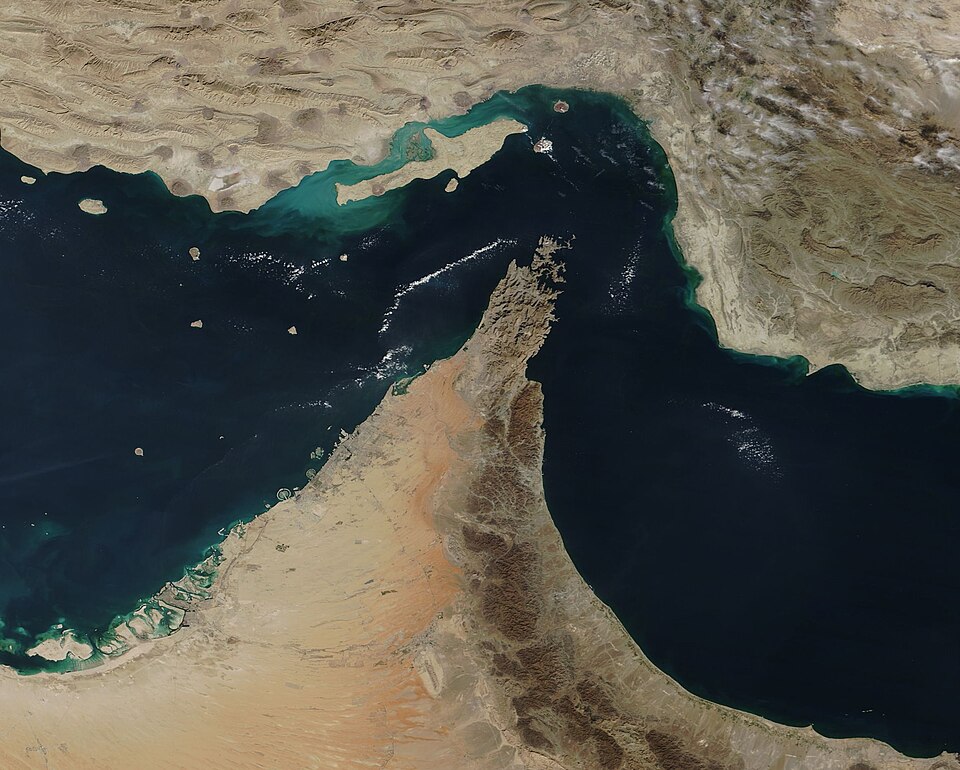
▸ HORMUZ: Full commercial reopening for 60 days without transit fees — the IRGC’s Persian Gulf Strait Authority mechanism is suspended but not dissolved for the duration
▸ CEASEFIRE: Formal mutual cessation of offensive military operations — US stops strikes on Iranian territory; Iran stops strikes on US-ally territory and US-adjacent Gulf assets
▸ US BLOCKADE: Modification of the US naval blockade; humanitarian shipping fully restored; some commercial categories restored; Iranian military shipments remain blocked
▸ NUCLEAR: Iran has agreed to “suspend enrichment above 20%” and accept IAEA monitoring resumption — this is the most significant concession and the most fragile element
▸ TIMELINE: 60 days for Hormuz; nuclear dialogue to produce a “mutually acceptable framework” within 90 days or the deal lapses
▸ GUARANTEE: Oman and Qatar serve as guarantors of the framework; the UN Security Council will be briefed but not formally asked to enforce
What is NOT in the deal: Israeli-Gaza issues (kept deliberately separate); permanent Hormuz governance; full nuclear disarmament; IRGC external operations (Hezbollah, Houthi support remains technically permitted under current language); and any language about lifting sanctions on Iran beyond what the blockade modification covers.
“A ceasefire without a peace deal is a countdown. The question is what gets built in 60 days.”
— ONYX analysis of the deal’s structural fragility
WHY 60 DAYS IS BOTH THE FEATURE AND THE PROBLEM
The 60-day Hormuz window is designed to be long enough to reduce the acute global energy crisis — oil markets will begin normalizing almost immediately — and short enough to maintain pressure on both sides to continue negotiating. This is diplomatically sophisticated design. It is also exactly the design of the June MOU that collapsed.
The nuclear element is the most likely tripwire. Iran’s agreement to “suspend enrichment above 20%” is a significant concession but falls well short of the complete nuclear rollback the US has been demanding. Israeli hardliners have already indicated they view the 20% threshold as insufficient. If Israel conducts a unilateral strike on Iranian nuclear facilities during the 60-day window — something Netanyahu has not foreclosed — the deal collapses immediately.
The IRGC’s transit authority is “suspended” rather than “dissolved” — meaning Iran retains the legal apparatus to reimpose it at the end of 60 days. This is face-saving language for Tehran that creates genuine ambiguity about what happens at day 61.
THE OIL MARKET RESPONSE
Brent crude dropped on the opening of markets after the deal announcement — reports indicate a move of approximately 8-12% in the first hours of trading. This is significant but below the highs of the initial Hormuz closure (which had added a 15-20% risk premium). The market discount reflects: genuine relief about Hormuz reopening; continued skepticism about the 60-day durability; and the nuclear element being weaker than the most bullish diplomatic scenarios anticipated.
For American consumers: gas prices will begin falling within 1-2 weeks as the pipeline effect of lower crude prices works through to retail. A $0.25-0.40 per gallon reduction at the pump is a realistic near-term expectation if the deal holds. This is not trivial politically: it is the first thing the 78% of Americans who said prices weren’t falling fast enough will actually feel in their daily lives.
| 🔍 ONYX REALITY CHECK VERDICT: TRUE WHY? The deal signing is confirmed by both Trump’s Truth Social announcement and Iranian Foreign Minister Araghchi’s confirmation — two independent, named sources from opposing parties both confirming the same event. Oil market movement is documented. Oman’s mediation role is confirmed. The specific deal terms (60-day Hormuz, nuclear suspension, blockade modification) are from reporting cross-referenced across Times of Israel, Reuters, and Axios. This is a documented, confirmed diplomatic event — the most definitively verified of any of the diplomatic announcements in this conflict. |
WHY THIS MATTERS
If this deal holds: it is the most significant diplomatic achievement of Trump’s second term. It ends the acute phase of a war that has killed thousands, disrupted 20% of global oil supply for five months, depleted US missile stockpiles, contributed to a Kyiv air defense failure, and cost the Republican Party 31 percentage points of presidential approval. If it holds, Trump wins a genuine political narrative that could reshape the midterm environment.
If this deal collapses: the pattern is established. The June MOU collapsed. The August 2 “deal” never existed. If this one also fails — if Iran resumes enrichment, if Israel strikes, if either side characterizes the other as violating the terms — the US is back to a depleted stockpile, a resumed war, and a midterm environment that cannot be rescued before November.
For the world: 20% of global oil supply was off the market for five months. The cost was enormous — to global GDP, to developing nations paying elevated energy prices, to food security in countries where fertilizer costs drove food inflation. The reopening does not undo five months of damage, but it ends the ongoing accumulation of those costs.
For the specific geopolitical order: Oman and Qatar’s central roles in a deal that the US and Israel could not produce bilaterally is a structural data point about where real diplomatic influence resides in the Gulf. China’s pressure on Iran, which contributed to the timing, is another. This deal was not primarily produced by US-Iranian negotiation. It was produced by a coalition of Gulf and Asian actors with their own interests in a functional strait.
POLITICAL IMPACT
| WHO WINS FROM THIS DEAL | WHO IS UNDER PRESSURE |
| Trump — genuine diplomatic win narrative before midterms | Netanyahu — must decide whether to accept nuclear terms or threaten collapse |
| Gulf states (Saudi, UAE, Qatar) — their mediation pressure worked | Iran hard-liners — 20% enrichment cap is a concession; domestic pressure |
| Oil exporters — stable markets; can plan production | Republican hawks — want nuclear rollback; 20% cap is insufficient |
| Oman — demonstrated diplomatic centrality | Democratic challengers — “too little too late” argument is their counter |
| Global economy — $0.25-0.40 gas price reduction coming | US depleted stockpiles — don’t magically replenish; production gap remains |
WHAT HAPPENS NEXT — THE 60-DAY COUNTDOWN
▸ DAY 1-7: Hormuz reopens; tanker traffic resumes; first commercial ships transit; oil prices fall further
▸ DAY 7-14: Gas prices begin falling at US pumps; Trump claims full political credit; Democrats contest the framing
▸ DAY 14-30: Nuclear dialogue begins between US and Iran; Oman hosts first formal session
▸ DAY 30: First major test — Iran’s enrichment inspection by IAEA; if Iran cooperates, deal has momentum; if not, deal is in danger
▸ DAY 45: Midterm campaign fully underway; deal’s status will be the defining diplomatic backdrop
▸ DAY 60: Hormuz deal expires unless extended; nuclear framework must be “substantially agreed” or deal lapses
▸ DAY 96: Midterm elections; economic impact of gas price reduction will be visible in consumer sentiment
GLOBAL IMPACT — THE IMMEDIATE SCORECARD
OIL MARKETS: Brent crude down 8-12% on the day. WTI follows. This is the single largest positive development for energy markets in five months. The risk premium accumulated since February 28 begins unwinding.
UKRAINE: The deal does not solve the Patriot shortage. Russia is not party to this ceasefire. Ukraine’s air defense situation is unchanged by the deal. This is a critical distinction: the Iran war ending does not immediately replenish the missile stockpiles depleted fighting it.
EUROPEAN ECONOMY: EU economies have absorbed five months of elevated energy costs. The reopening begins reducing those costs but does not erase them. European manufacturing capacity damaged by energy costs during the closure will take months to recover.
CHINA: Xi Jinping’s pressure on Iran during the Trump-Beijing visit appears to have contributed to the deal’s timing. China benefits from Hormuz reopening — it is the largest importer of Gulf oil. Beijing will frame this as evidence of its constructive diplomatic role.
INDIA: One of the most significant immediate beneficiaries — India imports heavily from Gulf sources. The deal should improve India’s energy security picture significantly.
| CONFIDENCE: HIGH | Deal signing is confirmed by both Trump (Truth Social) and Araghchi (Iranian FM) — dual independent confirmation from opposing sides is the highest confidence standard available. Oil market movement is documented. Specific deal terms are from Times of Israel reporting cross-referenced with Reuters and Axios. The 60-day Hormuz opening and nuclear suspension elements are the most specifically confirmed. Some deal details may be revised as full text is published. |
| ⚖️ BIAS CHECK — WHO IS SAYING WHAT | |
| Trump / White House | Historic diplomatic success; will amplify extensively; “America won” |
| Iran / Araghchi | Framing as Iran’s diplomatic victory — US recognized Iran’s rights; Iran did not capitulate |
| Democrats | Cautiously welcoming the ceasefire while noting 5 months of avoidable damage; “too little too late” framing |
| Republican Hawks | Disappointed by 20% enrichment cap; wanted complete nuclear rollback; some calling it insufficient |
| Israel | Netanyahu must respond — the nuclear terms are the specific concern; watch for first Israeli statement |
| Gulf States | Publicly supportive; privately watching the 60-day clock with anxiety about what comes next |
| China | Quietly claiming credit for the timing via Beijing visit influence on Iran; framing as proof of Chinese diplomatic value |
| Oil Markets | Pricing in probability of deal holding — 8-12% crude drop on day one, with some continued skepticism about durability |
SOURCES
▸ Trump Truth Social — deal announcement, August 7, 2026
▸ Araghchi — Iranian FM confirmation of deal
▸ Times of Israel — deal terms (60-day Hormuz, nuclear suspension, blockade modification)
▸ Reuters — deal confirmation and oil market response
▸ Axios — Oman mediation and Qatar supporting role confirmation
▸ Oil market data — Brent crude movement on announcement
QUESTIONS YOU MAY STILL HAVE
Q: Does this mean the Iran war is over?
A: The deal is a ceasefire, not a peace treaty. It suspends offensive military operations for the duration of the agreement. The underlying disputes — Iran’s nuclear program, its regional proxy network, US sanctions — remain unresolved. Whether those disputes are resolved in the 90-day nuclear dialogue window will determine if this becomes a lasting arrangement or another temporary pause.
Q: What does “suspend enrichment above 20%” actually mean?
A: Iran has been enriching uranium at up to 60% purity — well above the 20% threshold. Suspending above 20% means all enrichment above that level halts. Iran retains the right to continue enrichment up to 20% for civilian uses. The US and Israel had demanded complete cessation of enrichment; 20% is a significant distance from that demand.
Q: Will Israel accept the nuclear terms?
A: Netanyahu has not publicly responded as of publication. The 20% enrichment cap falls well short of what Israeli intelligence agencies consider adequate. Whether Israel tries to collapse the deal through unilateral action or negotiates within the framework is the single biggest uncertainty in the next 30 days.
Q: When will gas prices actually fall at the pump?
A: Oil price changes take 1-2 weeks to translate to retail gasoline prices through the refinery and distribution pipeline. If Brent crude remains at the post-announcement level, consumers should see $0.25-0.40 per gallon reductions at the pump by late August.
Q: What happens to Patriot interceptor production?
A: The deal does not solve the production bottleneck. The US will continue to operate with 700-850 Patriot interceptors until production ramps up — which takes years regardless of the Iran war’s status. The deal removes some of the ongoing consumption pressure from the Gulf theater, but existing stockpile depletion remains.