The Islamic Republic of Iran has a specific domestic political problem with this deal: it requires the revolutionary leadership to tell a population that has been told for 47 years that Iran never capitulates to American pressure that Iran has — for at least 60 days — agreed to terms set substantially by American military and economic pressure. Khamenei’s framing will be critical. Early Iranian state media communication describes the deal as “Iran choosing to de-escalate from a position of strength” — but that framing is contested by Iranian hard-liners who see a 20% enrichment cap as a concession to the Great Satan.
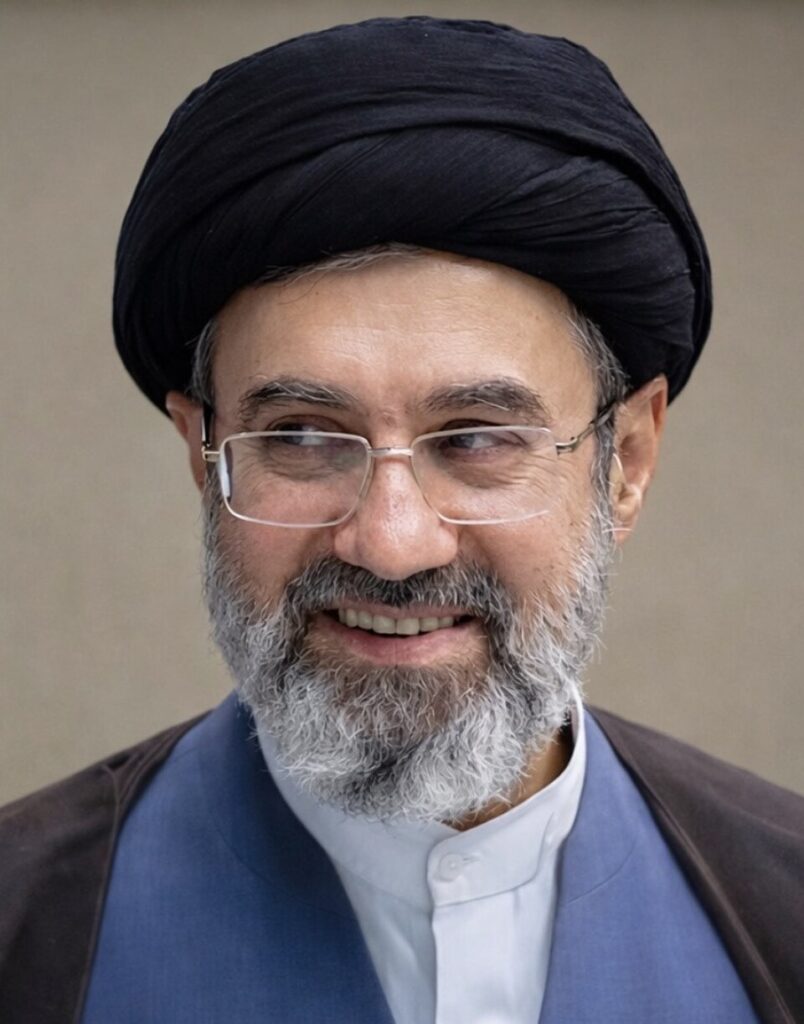
THE KHAMENEI LEGITIMACY CHALLENGE
Ali Khamenei, Iran’s Supreme Leader since 1989, has built his domestic political authority around the concept of “resistance” — that the Islamic Republic does not yield to American pressure, that its nuclear program is a sovereign right, and that the resistance economy has made Iran resilient against sanctions. Agreeing to cap enrichment at 20% under the terms of a ceasefire that came after the US threatened to bomb Tehran’s electricity grid is structurally difficult to frame as anything other than a response to American pressure.
Iranian state media’s framing — “Iran chose de-escalation from strength” — is the attempt to resolve this tension. The argument: Iran’s military demonstrated it could survive US strikes; Iran’s missile program showed it could impose costs; and Iran chose a diplomatic path not because it was forced to but because it served Iranian interests. Whether this framing is credible to the Iranian public and hard-liner base depends on how the next 60 days actually unfold.
THE IRGC DIMENSION
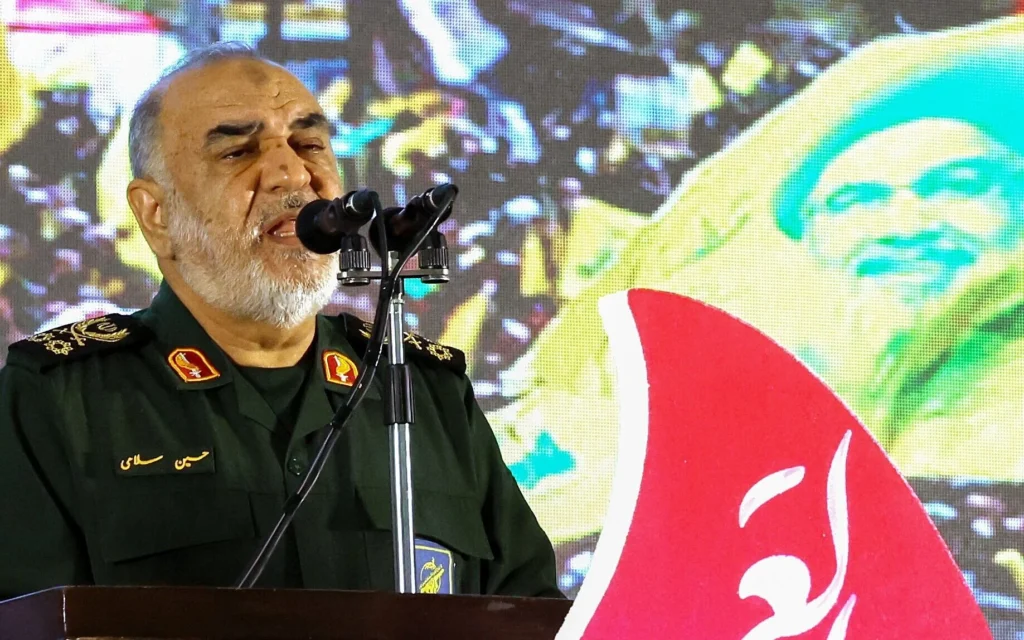
The Islamic Revolutionary Guard Corps is not a monolithic institution. It has military commanders who see the deal as a concession and commercial interests that benefit from a reopened strait. The IRGC controls significant economic interests in Iran that have been devastated by the war and blockade — their ports, shipping companies, and construction firms all benefit from an end to hostilities.
The specific IRGC commanders most opposed to the deal are those whose institutional identity is most tied to the resistance narrative — the Quds Force commanders who manage proxy networks in Yemen, Lebanon, and Syria. The deal does not constrain those operations directly (Houthi and Hezbollah support is not explicitly prohibited). Whether those commanders interpret the deal as creating constraints on their operational flexibility is a genuine uncertainty.
“Iran chose to de-escalate from a position of strength.”
— Iranian state media — official framing of the ceasefire deal, August 7-8, 2026
WHY THIS MATTERS FOR THE DEAL’S DURABILITY
The deal’s durability depends not just on what the Iranian government signed but on whether the political coalition that supports the signing can maintain cohesion for 60-90 days. If IRGC commanders who oppose the deal engineer a provocation — a missile launch, a proxy attack, a naval incident — that is plausibly attributable to Iran and that gives the US or Israel a pretext to declare the ceasefire violated, the deal can be collapsed from within Iran’s own power structure.
This is not an abstract risk. Iran has experienced internal sabotage of previous diplomatic efforts — the 2015 JCPOA negotiations were complicated by IRGC-linked operations that created diplomatic problems. The current deal’s most dangerous failure mode may not be Netanyahu acting first, but an IRGC faction acting to preempt a deal they believe serves the Supreme Leader but not the Islamic Republic’s core security interests.
WHAT HAPPENS NEXT — WATCH FOR
▸ Khamenei’s personal public statement — if the Supreme Leader publicly endorses the deal in his own voice, the domestic political coalition is secured; silence or ambiguity signals internal contested legitimacy
▸ IRGC commander statements — watch for any Quds Force or IRGC navy commander statements that create daylight with Araghchi’s deal framing
▸ Domestic protests — Iranian civil society has been under enormous pressure; deal relief may produce either renewed political energy or continued suppression depending on how the government manages the transition
▸ Proxy activity — any significant Houthi or Hezbollah escalation in the deal’s first two weeks is evidence of IRGC factions testing the deal’s constraints
| CONFIDENCE: HIGH | Iranian state media framing is documented. Khamenei’s political position and 47-year resistance narrative are established fact. IRGC economic interests in ports and shipping are documented from prior sanctions analysis. IRGC-JCPOA dynamics are from established 2015 negotiation record. |
| ⚖️ BIAS CHECK — WHO IS SAYING WHAT | |
| Iranian State Media | “Strength-based de-escalation” framing — designed to make the deal domestically palatable |
| Iranian Hard-liners / IRGC Hawks | Skeptical to hostile; will watch for any Western action that “proves” the deal was a mistake |
| Iranian Public | Exhausted by war and economic devastation; largely supportive of any path to relief; less invested in nuclear enrichment levels than in food prices and energy costs |
| Western Iran Analysts | Watching Khamenei and IRGC responses carefully; know that Iran’s internal politics are the primary deal risk from the Iranian side |
| Gulf States | Watching Iranian domestic politics carefully; Saudi and UAE intelligence services are well-resourced on this specific question |
SOURCES
▸ Iranian state media — “strength-based de-escalation” framing, August 7-8
▸ Khamenei public statements — documented from prior ceasefire periods
▸ IRGC economic interests — documented from sanctions analysis literature