The Iran ceasefire deal has two timelines embedded in it. The 60-day Hormuz timeline is what everyone is watching — whether the strait stays open. The 90-day nuclear dialogue timeline is what actually determines whether this conflict is resolved or merely paused. In 90 days, the nuclear framework must be “substantially agreed to.” If it is, the deal becomes permanent. If it is not, the deal lapses — and the US is back at 700-850 Patriot interceptors with long-range strike missiles depleted, facing the same Iranian nuclear program at 60% enrichment.
WHAT THE 90-DAY NUCLEAR DIALOGUE MUST PRODUCE
A “substantially agreed” nuclear framework needs to address five specific elements. Progress on each is achievable; progress on all five simultaneously, in 90 days, while managing Netanyahu’s reservation and Iran’s domestic politics, is the hardest diplomatic lift since the 2015 JCPOA negotiations.
▸ ENRICHMENT LEVEL: What level of uranium enrichment does Iran permanently retain the right to? 3.67% (JCPOA standard), 20% (current deal), or something in between? This is the central negotiating question.
▸ ENRICHED STOCKPILE: What happens to Iran’s existing stockpile of enriched uranium — some of it at 60%, some at 20%? Dilution? Export? Storage under seal? Each option has different implications.
▸ CENTRIFUGE CAPACITY: How many centrifuges does Iran operate and of what type? Iran has been expanding its advanced centrifuge inventory; any deal needs to address this.
▸ VERIFICATION: What inspection access, what monitoring technology, what response to undeclared activity? This is the IAEA mechanism question.
▸ SUNSET CLAUSES: Does the nuclear framework have an end date — after which Iran’s obligations lapse — or is it permanent? The 2015 JCPOA had sunset clauses that are now expiring, which was the immediate trigger for the current crisis.
THE GAP BETWEEN US AND IRANIAN POSITIONS
| US POSITION (based on deal framing) | IRAN’S POSITION (based on prior statements) |
| Zero enrichment is the preferred outcome (Trump stated) | Enrichment is a sovereign right; will not accept zero |
| IAEA access must be permanent and unrestricted | IAEA access is conditional on US sanctions relief |
| No sunset clauses — agreement must be permanent | Previous agreements have had finite terms; will not accept permanent constraints |
| Enriched stockpile must be removed from Iran | Stockpile is leverage; will not unilaterally surrender it |
| Israel must have confidence in the outcome (implicit) | Israel is not a party to this agreement; will not negotiate through Israel |
This gap is not a misunderstanding. These are genuine, long-held, incompatible positions. Bridging them in 90 days requires something that hasn’t happened in 25 years of Iran nuclear diplomacy.
THE ONE POSSIBLE BRIDGE
The only historical precedent for bridging these positions is the 2015 JCPOA — which agreed on a graduated enrichment cap (3.67%), a reduced centrifuge number, a managed stockpile (mostly shipped to Russia), intrusive monitoring (access on 24-hour notice), and sunset clauses (10-15 years). That took two years to negotiate, multiple missed deadlines, and ultimately produced a deal that collapsed in 2018 when Trump withdrew.
A 90-day framework agreement is almost certainly not going to produce the specificity of the JCPOA. The realistic ambition is a “framework” — a document that agrees on the general parameters of what a final agreement would look like, without the specific technical numbers. That would be enough to extend the Hormuz deal and keep the nuclear dialogue alive. Whether it is enough to satisfy Netanyahu is a separate question.
WHAT HAPPENS NEXT
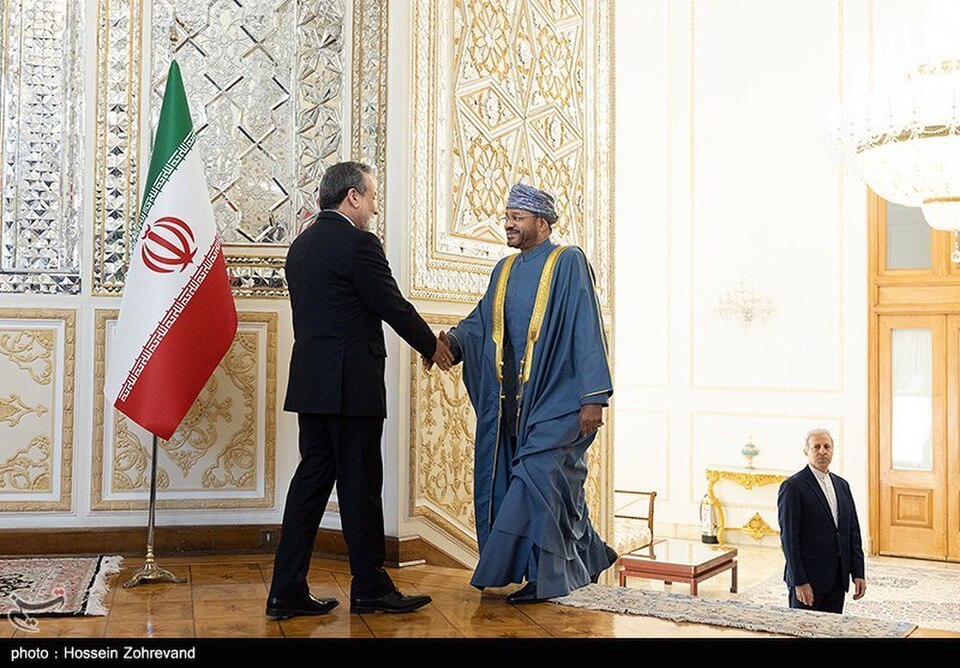
▸ First formal nuclear dialogue session scheduled via Oman — watch for date announcement
▸ US positions will be formally presented — watch for Rubio or deputy secretary leading the talks on US side
▸ Iran’s negotiating team composition matters — Araghchi personally or senior nuclear technocrats
▸ IAEA will publish its first inspection report — the technical data will frame the negotiating space
▸ Netanyahu will continue applying pressure — his “complete cessation” demand will be the constant background pressure on US negotiators
| CONFIDENCE: HIGH | Deal terms (60-day Hormuz, 90-day nuclear dialogue framework) are from confirmed reporting. US and Iranian positions are from documented public statements over multiple years. JCPOA comparison is established treaty record. Analysis of gap and possible bridge is ONYX editorial based on documented positions. |
SOURCES
▸ Iran ceasefire deal terms — Times of Israel, Reuters, Axios (August 7 confirmations)
▸ US nuclear demands — documented from Trump Truth Social and Rubio statements
▸ Iranian nuclear position — documented from Foreign Ministry statements, 2021-2026
▸ 2015 JCPOA — established treaty record and timeline
QUESTIONS YOU MAY STILL HAVE
Q: Is 90 days actually enough to negotiate a nuclear framework?
A: No precedent exists for a comprehensive nuclear framework being negotiated in 90 days. The 2015 JCPOA took two years. The Joint Plan of Action (which preceded it) took six months just to agree on the framework concept. 90 days can produce a “political framework” — a document saying the parties agree on the general shape — but not a technical agreement.
Q: What happens if the 90 days expire without a framework?
A: The deal explicitly says it “lapses.” Practically, this means: Hormuz governance reverts; ceasefire becomes ambiguous; US must decide whether to reimpose blockade and resume strikes; Iran must decide whether to resume 60% enrichment. Neither side actually wants this — which is why the 90-day deadline is a pressure mechanism, not a guillotine. There will be an attempt to extend it if talks are making progress.