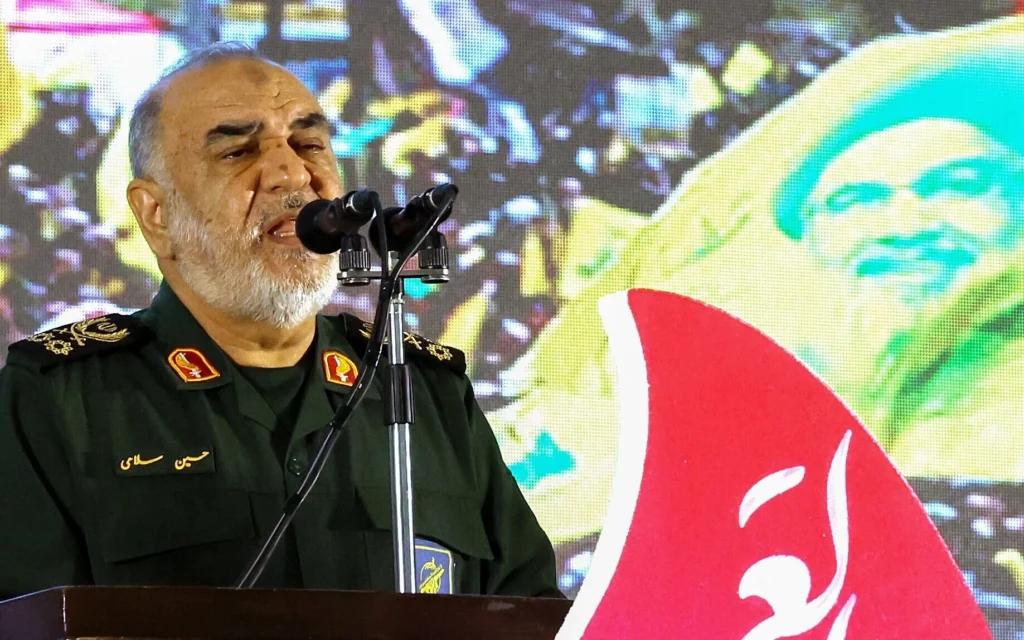
The Iran-aligned group struck the headquarters of the internationally recognized Yemeni government in Aden, killing five and wounding at least 16. The target was not symbolic. It was the seat of power.

BREAKING · YEMEN · HOUTHIS · IRAN
ADEN, YEMEN — A Houthi strike on Maashiq Palace — the Aden compound that serves as the operational headquarters of the internationally recognized Yemeni government — killed five people and wounded at least 16 others on Thursday. The attack came without warning and targeted the administrative and security heart of the government that the United States, Saudi Arabia, and the United Nations continue to back as the legitimate authority over Yemen.
The Houthis, who control the capital Sanaa and much of northern Yemen, claimed responsibility within hours. The strike marks an escalation in targeting — moving from military infrastructure and shipping lanes to the direct administrative center of a rival government.
Why Maashiq Palace Matters
Maashiq Palace is not merely symbolic. It houses the offices of the Presidential Leadership Council, the body recognized by the Arab League and Western governments as the legitimate Yemeni executive since the collapse of the Hadi government’s authority in Sanaa. Striking it is the equivalent, in Houthi strategic terms, of striking the seat of an opposing state — a signal that no location is beyond reach.
The attack follows months of Houthi drone and missile campaigns against Red Sea shipping and Saudi targets. But the Aden strike represents a different ambition: not to disrupt trade or extract regional concessions, but to demonstrate that the rival government cannot govern securely even in its own city.
“This is not a warning shot. This is a message that Aden is not a safe capital.” — Yemeni government official, speaking to Reuters
Iran and the Broader Theater
The strike comes as U.S.-Iran tensions remain elevated and as American naval and air assets remain positioned across the region. The Houthis have continued to operate with Iranian logistical and intelligence support, though Tehran publicly distances itself from specific operations. The Aden strike, which targeted a U.S.-aligned government body, is unlikely to reduce American military pressure on Houthi supply lines.
WHAT HAPPENS NEXT
► Yemeni government emergency session convened — likely to request additional Saudi and U.S. air defense support.
► UN envoy Hans Grundberg to make a statement; ceasefire talks — already stalled — face further collapse.
► Saudi-led coalition air response to the Aden strike expected within 24-48 hours.
► Casualty count may rise — several of the wounded are described as critically injured.
► U.S. Central Command reviewing force posture in the Gulf of Aden and southern Red Sea.
| CONFIDENCE: HIGH | Confirmed by The New York Times and Reuters. Casualty figures from the Yemeni Ministry of Interior. Houthi claim of responsibility verified via official Houthi media channel. |
| Bias Check | ||
| Left-Lean | Center | Right-Lean |
| Frames as Iranian proxy aggression requiring stronger Western response. | Reports the strike, the casualties, and the strategic context without prescribing a response. | Focuses on Houthi capability and Iranian influence as the story’s center of gravity. |
| Assessment | ONYX presents verified facts and strategic context. Regional power dynamics noted but not advocated. | |
SOURCES
► The New York Times — Aden Palace strike confirmed
► Reuters — Houthi claim and casualty count
► UN Office for the Coordination of Humanitarian Affairs — Yemen conflict background