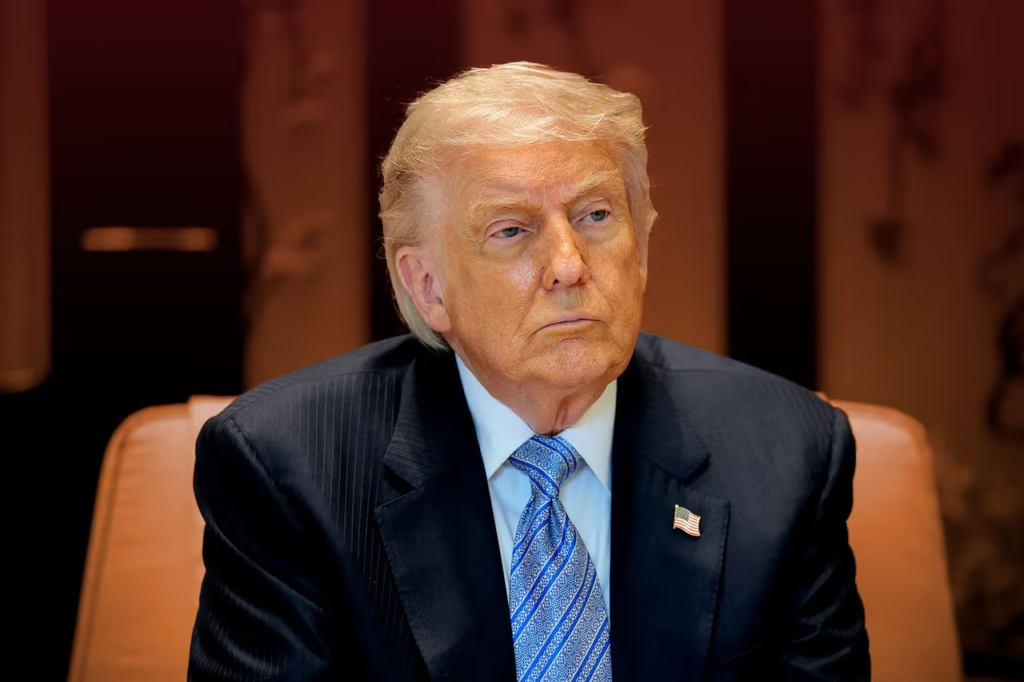
The September Consumer Price Index registered 3.7 percent annual inflation — above the Federal Reserve’s 2 percent target — with gasoline up 9.1 percent, continuing to weigh on American household budgets ahead of the midterms. Trump held rallies in Arizona and Montana, defending his economic record and projecting confidence about energy prices. NPR, WORLD Radio, and various outlets confirmed the CPI figure and the rally activity. The gap between the administration narrative and consumer experience is the defining midterm economic story.
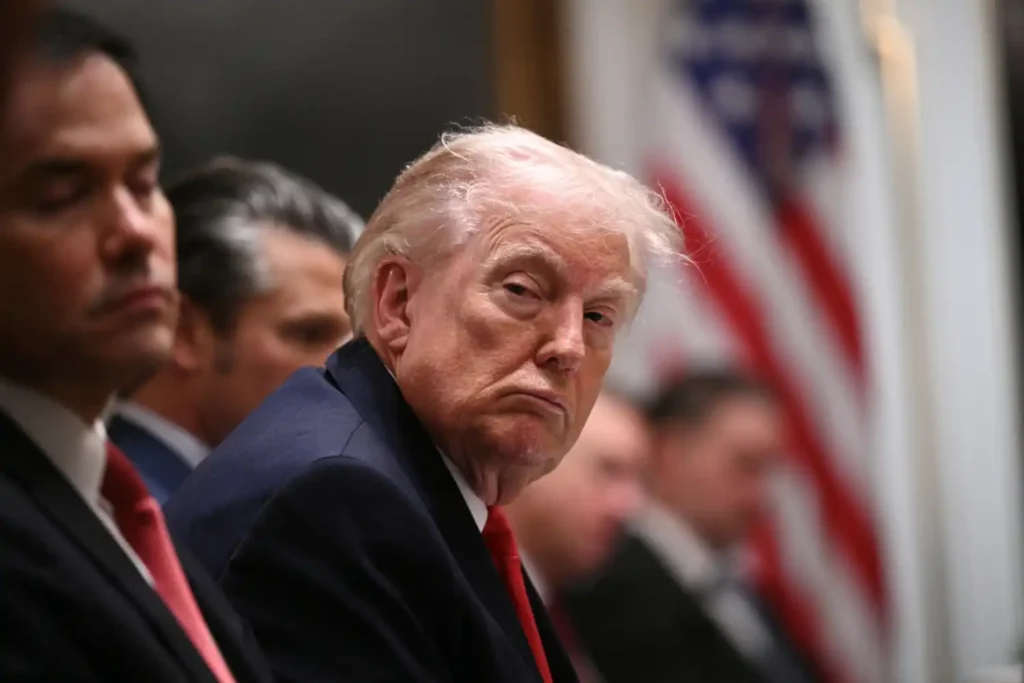
🇺🇸 WASHINGTON / ARIZONA / MONTANA · OCTOBER 15, 2026 · CPI + MIDTERM RALLIES
The September Consumer Price Index, released Tuesday, registered 3.7 percent annual inflation — still nearly double the Federal Reserve’s 2 percent target more than two years after the Fed began its aggressive tightening campaign. Gasoline was up 9.1 percent year over year, driven substantially by the Persian Gulf conflict and Hormuz maritime disruptions. Trump held campaign rallies in Arizona and Montana — both states with competitive Senate races — defending the administration’s economic record and projecting confidence that energy prices will fall when the Iran conflict concludes. NPR, WORLD Radio, and various outlets confirmed the CPI data and the rally context.
The political arithmetic of 3.7 percent inflation 19 days before a midterm election is straightforward and severe. American voters consistently rank inflation and the cost of living among their top electoral concerns when those metrics are elevated. The specific items driving current inflation — gasoline, food, housing — are the most visible and emotionally salient costs in the household budget. Every fill-up at a gas station is a political experience. Every grocery receipt is a data point. Macro-economists can explain the drivers; what matters at the ballot box is the felt experience of diminished purchasing power, and at 3.7 percent with 9.1 percent gasoline, that experience is acute.
THE ADMINISTRATION DEFENSE
Trump campaign argument is that the inflation is a consequence of the conflict with Iran — a necessary cost of confronting a state that has been destabilizing the region for decades — and that the cost will fall sharply when the conflict ends, which he predicts will happen very soon. That argument asks voters to accept near-term economic pain for long-term strategic gain and to trust a timeline that has no confirmed diplomatic basis. Whether that argument persuades the persuadable voter who is more focused on the gas pump than the geopolitical calculus is the question the administration cannot answer before November.
The red-state rally strategy — Arizona and Montana are both competitive Senate races — reflects a defensive posture. An administration confident in its economic narrative would be spending resources in swing states. Rallying in states that should be safely Republican suggests the electoral map is more complicated than the administration would prefer. The economic story is the reason: even in reliably Republican states, 3.7 percent inflation and 9.1 percent gasoline prices create enough voter discomfort to put normally safe seats in play.
THE FED POSITION
The Federal Reserve has been holding rates at elevated levels to suppress inflation. At 3.7 percent annually, the Fed has not achieved its target and is unlikely to cut rates in a way that provides economic relief before the election. The combination of elevated rates — which increase mortgage, auto loan, and credit card costs — and elevated consumer prices creates a double squeeze on household budgets. The administration cannot easily blame the Fed for the rate level without undermining the narrative that the economy is fundamentally strong; it cannot easily blame global energy prices without acknowledging that the Gulf conflict is contributing to domestic economic pain.
“September CPI: 3.7 percent. Gas: up 9.1 percent. Trump is in Arizona and Montana — competitive Senate states — defending the economy and predicting prices will fall when the war ends. The war has not ended. The election is in 19 days.”
WHAT HAPPENS NEXT
► October CPI — the next data release and whether inflation is moving toward or away from the Fed target
► Gas price movement — whether Hormuz disruptions produce further gasoline price spikes before the election
► Fed posture — any Fed signals about rate path in response to October CPI
► Senate polling — whether the 3.7 percent figure moves polling in Arizona and Montana
► Democrat messaging — how the opposition uses the CPI number in the final 19 days
| CONFIDENCE: HIGH | NPR, WORLD Radio, and various outlets confirmed September CPI at 3.7% and Trump rallies in Arizona and Montana defending the economy ahead of midterms. |
| BIAS CHECK | ASSESSMENT |
| Source weight | NPR, WORLD Radio, various — confirmed CPI figure and rally activity from multiple outlets |
| Political framing | Inflation electoral impact characterized from documented voter behavior patterns; not partisan editorializing |
| Administration framing | Trump argument characterized as stated; assessment of its persuasive challenge is analytical |
| Fed framing | Fed rate position described from public record; not used to assign blame |
SOURCES
► NPR — September CPI 3.7%, inflation midterm politics, October 15, 2026
► WORLD Radio summaries — Trump rallies Arizona, Montana, economy, defense, October 15, 2026