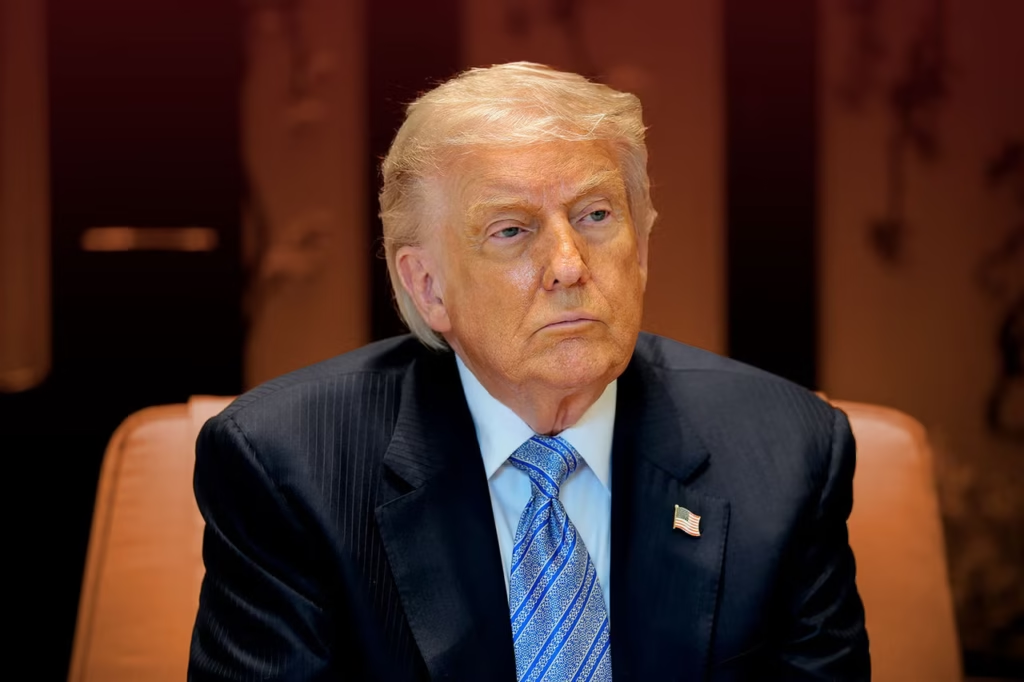
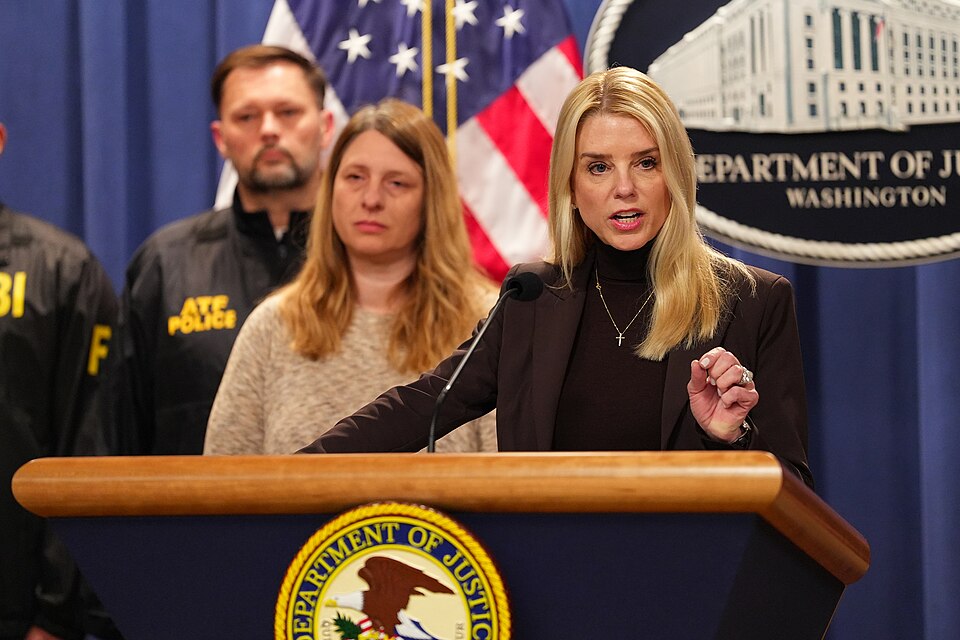
Attorney General Pam Bondi’s Justice Department disbanded Task Force KleptoCapture — the Biden-era initiative that targeted Russian oligarchs’ assets, seizing approximately $700 million in Russian assets through its operations — on day one of her tenure, redirecting those resources toward ‘total elimination of Cartels and Transnational Criminal Organizations,’ according to a memo issued on Bondi’s first day. The timing — landing the same week the DEA’s own fentanyl enforcement tactics came under IG review — creates a specific irony: the department is moving resources toward cartel and fentanyl enforcement exactly as its existing fentanyl tactics face scrutiny.
WHAT KLEPTO CAPTURE DID
Task Force KleptoCapture, launched in March 2022 following Russia’s invasion of Ukraine, was designed to enforce sanctions against Russian oligarchs and government officials by identifying, seizing, and forfeiting assets held in the United States or accessible through US financial institutions. Its documented results included: approximately $700 million in Russian assets seized; multiple prosecutions of sanctions evaders; and coordination with allied governments on parallel asset seizures. The task force represented a specific, targeted use of DOJ resources against a specific, well-defined threat.
THE RESOURCE REALLOCATION LOGIC
Bondi’s redirection of KleptoCapture resources to cartel enforcement has a stated logic: fentanyl and cartel violence kill approximately 70,000 Americans annually, while Russian oligarch asset enforcement produces limited direct domestic public safety impact. From a domestic public safety prioritization perspective, the reallocation makes a case.
The counterargument: KleptoCapture’s asset enforcement served multiple functions beyond its direct enforcement outcomes. It applied economic pressure on Putin’s inner circle, demonstrated US seriousness about sanctions enforcement, coordinated with NATO allies on a shared Russia policy goal, and built the institutional expertise for sanctions enforcement that may be needed in future Russia policy. Disbanding it sends a signal about US Russia policy priorities that may outlast the resource reallocation itself.
$700 million in Russian oligarch assets seized under KleptoCapture. Disbanded on day one. The resources go to cartels. That is a specific policy choice about which adversaries’ assets matter to DOJ.
THE RUSSIA CONNECTION TO THE UKRAINE CONTEXT
The KleptoCapture disbanding arrives simultaneously with: North Korean troops supporting Russian forces in Ukraine (documented August 12); Russia’s 202-drone barrage on Ukraine (August 10); Ukraine’s empty Patriot depots (today’s Story 3); and Senator Tillis’s explicit connection between the Trump-Kim drill reduction and freeing North Korean troops for Ukraine. The disbanding of the task force specifically targeting Russian financial networks is one additional data point in the same pattern.
| CONFIDENCE: HIGH | KleptoCapture disbanding and Bondi memo (first day) are from confirmed reporting. KleptoCapture $700 million in assets seized is from documented task force results. Cartel/TCO resource reallocation framing is from confirmed reporting. |
SOURCES
▸ DOJ / Bondi memo — KleptoCapture disbanded, resources to cartels, confirmed reporting
Q: Were the KleptoCapture assets returned to Russia?
A: No. Assets that were seized and forfeited under KleptoCapture remain in US government custody. The disbanding of the task force means the specialized team that identified and pursued those assets is no longer operational, but existing seizures are not reversed.
Q: Can KleptoCapture be reconstituted?
A: Yes. A future administration or even the current administration could reconstitute a similar task force. Institutional knowledge and prosecutorial expertise, once dispersed, take time to rebuild.