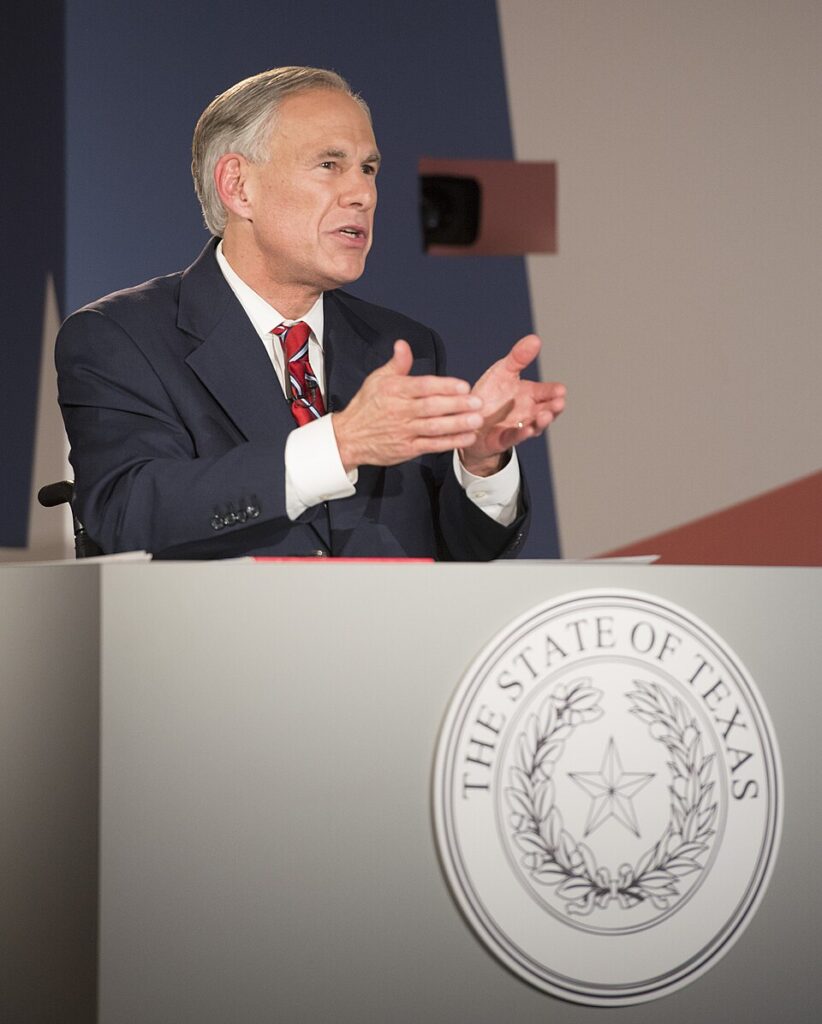
Texas Governor Greg Abbott accused airports of religious discrimination over wudu stations — ablution facilities that Muslim travelers use for ritual washing before prayer — and called for a federal investigation, according to Al Jazeera. Civil rights and religious liberty advocates have pushed back directly: wudu stations are accommodations for religious practice, not discrimination against other religions; their presence no more constitutes religious discrimination than accessible restrooms constitute discrimination against able-bodied people. Abbott’s characterization appears to conflate accommodation with favoritism.
WHAT WUDU STATIONS ARE AND WHY AIRPORTS HAVE THEM
Wudu (also spelled wudhu or ablution) is the Islamic ritual washing performed before the five daily prayers. It involves washing the hands, face, arms, and feet in a specific sequence. Standard restroom sinks can be used for wudu but are not ideally designed for it — the foot-washing in particular requires either balancing on one foot at a standard sink height or having access to a lower facility. Wudu stations are purpose-designed facilities that accommodate the foot-washing requirement more safely and conveniently.
Major international airports have historically accommodated religious practice for all religions: Christian, Jewish, and interfaith chapels and prayer rooms are standard features at large airports. Wudu stations are the equivalent accommodation for Muslim travelers’ religious practice. They exist because airports serve the international traveling public, which includes large numbers of observant Muslims, particularly at airports with significant Middle Eastern and South Asian route networks.
THE LEGAL QUESTION
The First Amendment’s Establishment Clause prohibits government from establishing religion. Abbott’s claim that wudu stations at government-operated airports violate the Establishment Clause would require a showing that the airports are advancing Islam over other religions. Courts have consistently held that religious accommodations that serve genuine religious needs without establishing a state religion are constitutionally permissible — and that refusing to accommodate religious practice can itself violate the Free Exercise Clause.
The constitutional analysis that civil rights advocates make: airports that have chapels (Christian-coded) and wudu stations (Muslim-coded) are providing parallel religious accommodations, not establishing a religion. Whether Abbott’s characterization would survive First Amendment analysis is, at minimum, legally dubious.
| 🔍 ONYX REALITY CHECK VERDICT: MISLEADING CONTEXT WHY? Characterizing airport wudu stations as ‘religious discrimination’ is MISLEADING CONTEXT. Wudu stations are religious accommodations comparable to airport chapels, interfaith prayer rooms, and other religious facility accommodations at major international airports. The presence of a religious accommodation for one faith is not discrimination against others any more than accessible facilities constitute discrimination against non-disabled travelers. Abbott’s characterization inverts the concept of religious discrimination in a way that is inconsistent with the established legal framework for religious accommodation. |
| CONFIDENCE: HIGH | Abbott wudu stations accusation and federal investigation call are from Al Jazeera confirmed reporting. Wudu station function and airport context are from established documentation. First Amendment analysis is from established constitutional law. |
| ⚖️ BIAS CHECK — WHO IS SAYING WHAT | |
| Gov. Abbott | Framing airport religious accommodation as discrimination; appeal to a political base that is skeptical of Islamic religious accommodation in public facilities |
| Civil Rights Advocates / Religious Liberty Groups | Correctly framing the issue: accommodation is not discrimination; the constitutional analysis supports their position |
| Muslim Travelers | The intended beneficiaries of wudu stations; their religious practice is the actual subject of the dispute |
| Airports (Texas) | Will need to assess whether to maintain, modify, or remove wudu stations based on the political and legal pressure; most will consult their legal counsel |
| Federal Government | Abbott’s call for federal investigation will go to DOT or DOJ; whether either pursues it against established religious accommodation law is uncertain |
SOURCES
▸ Al Jazeera — Abbott wudu stations airports, August 2026
▸ First Amendment religious accommodation doctrine — established constitutional law
Q: Are wudu stations paid for by public money?
A: Airports are typically public entities or heavily government-subsidized. If wudu stations are funded from airport capital budgets, they are using public money for a religious facility. Courts have held that this is permissible as a religious accommodation that serves a legitimate need without establishing religion — the same analysis that permits publicly funded airport chapels.
Q: What would federal investigation actually do?
A: Abbott’s call for federal investigation could go to the Department of Transportation (which regulates airports) or the Department of Justice. DOT and DOJ would assess whether the airports’ religious accommodation practices violate federal law. Given the established legal framework for religious accommodation, a federal investigation is unlikely to find that wudu stations are unlawful.