Five men face charges in an alleged plot to attack a White House event with explosive drones. Here’s what’s confirmed, disputed, and unresolved.
| AT A GLANCE | |
| Reading Time | 8 minutes |
| Topic | Domestic security, foiled White House attack plot |
| What’s New | Five men face federal charges after the FBI says it disrupted a plot to attack the White House UFC event with explosive drones and gunfire. |
| Why It Matters | It is the latest in a string of plots and attacks targeting US officials, and has triggered a public dispute between the FBI and Secret Service over how it was handled. |
| Status | Developing |
| Confidence | Medium — The arrests and core allegations are confirmed by unsealed court filings, but the full scope of the network, the number of additional suspects, and some motive details rest on still-developing investigative claims. |
Federal prosecutors say they disrupted a plot to attack Sunday’s UFC Freedom 250 event on the White House South Lawn, where President Donald Trump celebrated his 80th birthday in front of thousands of spectators, lawmakers, and Cabinet officials.
FBI Director Kash Patel announced on June 16 that a multi-state operation had led to multiple arrests, calling the alleged plot “stopped cold,” according to his post on X. The Justice Department later confirmed five men were in custody and unsealed criminal complaints describing a plan to detonate explosive-laden drones over the crowd and shoot people as they fled.
The case has also exposed friction between the FBI and Secret Service. Sources tell NBC News the two agencies had planned a joint announcement once all suspects were in custody, but Patel’s early post came before that process was complete, surprising law enforcement partners still working the case.
No one was harmed at the event itself, which went ahead as scheduled on June 14.
| Key Fact Investigators say a Signal chat tied to the plot included roughly 23 participants discussing what officials called “pre-operational activity,” though only five people have been charged so far. |
Quick Summary
- Five men from Ohio, Missouri, Nebraska, and California face federal charges in an alleged plot to attack the White House UFC event with explosive drones and gunfire.
- FBI Director Kash Patel announced the disruption on social media on June 16, ahead of a planned joint statement with the Secret Service.
- Court documents say the plot was uncovered after the mother of the youngest suspect, 19-year-old Tycen Proper, called Ohio police over concerns about his gun purchases and online activity.
- Prosecutors say the group’s intended targets included Trump, Vice President JD Vance, and several members of Congress.
- Court filings describe a mix of motives, including antisemitic and anti-Israel grievances, anti-government conspiracy theories, and references to data centers and water supplies.
- Secret Service officials have privately expressed frustration that Patel’s announcement came before the investigation and arrests were complete.
What We Know / What We Don’t Know
What We Know
- Five men — Tycen Proper, Daniel Eskridge, Abraham Hermosillo Alvarez, Bryan Omar Roa, and Michael Alan Thomas — have been charged and are in federal custody, according to unsealed criminal complaints.
- The case began June 10, when Proper’s mother contacted Knox County, Ohio, sheriff’s deputies over concerns about her son’s recent gun purchases and online communications, according to court documents.
- Investigators say they recovered Signal messages describing plans to fly explosive-laden drones over the event and shoot fleeing attendees, per the unsealed complaints.
- The UFC event went ahead as scheduled on June 14 without incident.
What We Don’t Know
- How close the group came to being able to carry out the plan. The Associated Press reports it remains unclear from court records how operationally ready the alleged plotters were.
- The identities of any additional suspects. Officials say up to 23 people may have been part of the Signal chat, but only five have been charged as of publication.
- Whether all five suspects had legal representation at the time of reporting; attorneys for several had not responded to media requests for comment.
- The full extent of the disagreement between the FBI and Secret Service, since both agencies have since issued a joint statement describing a collaborative effort despite the reported friction.
How the Plot Was Uncovered
According to a federal affidavit, the investigation began on June 10, when officers with the Knox County Sheriff’s Office and Danville Police Department were dispatched to the Ohio home of Tycen Proper, 19, after his mother raised concerns.
Proper’s parents told officers their son had recently quit his job and had been communicating with people online who claimed to be ex-military and religious extremists, according to court documents. They also reported he had purchased firearms, including a rifle bought on June 5, along with body armor and ammunition.
The sheriff’s office took Proper to a hospital for emergency admission based on what FBI task force officer Christopher Betts described in court filings as homicidal ideations. The next day, deputies contacted the FBI.
Investigators said Proper later identified usernames from an encrypted group chat, which led agents to a broader Signal conversation involving roughly 23 participants discussing what officials called pre-operational planning for an attack on the UFC event.
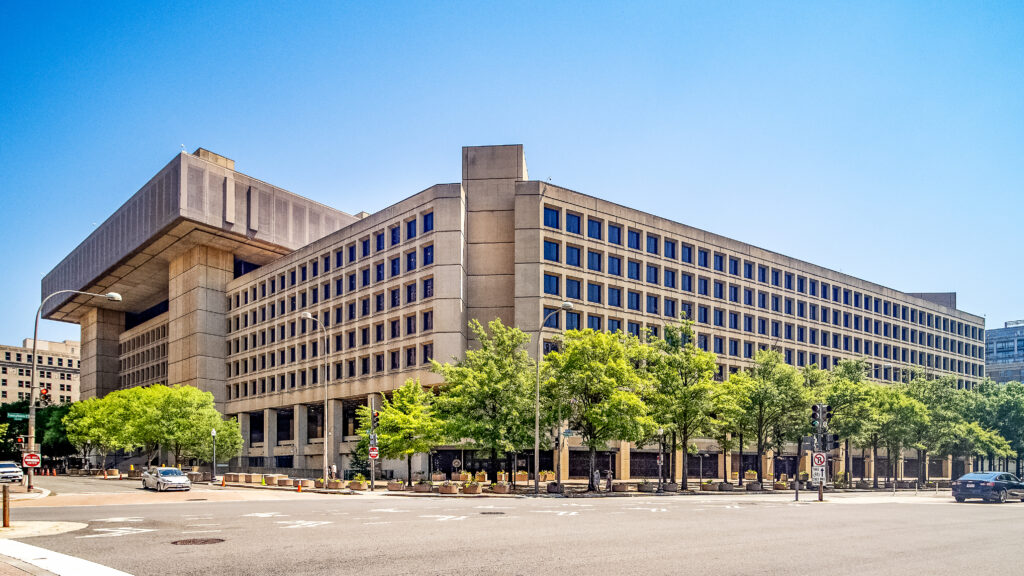
Federal agents arrested Daniel Eskridge in Missouri after a search of his home, where they said they found rifles, a shotgun, a pistol, and tactical gear. Two more suspects, Bryan Omar Roa and Michael Alan Thomas, were arrested in California on June 13 after similar searches, and Abraham Hermosillo Alvarez was arrested in Nebraska.
Justice Department officials unsealed the criminal complaints on June 16, the same day Patel posted about the case on social media.
What Prosecutors Say the Group Planned
According to the unsealed complaint, Proper told investigators he intended to “jump-start” a revolution in the United States by carrying out an attack on June 14, beginning with drone bombings over the north side of the arena.
Court filings allege co-conspirators planned to take sniper positions overlooking evacuation routes on the south side and shoot what the group called “high value targets,” including politicians the group associated with support for Israel.
Prosecutors identified Alvarez, who used the username “Shepherd” in group chats, as the plot’s lead organizer, accused of selecting targets and laying out sniper and drone launch positions. Eskridge allegedly told the group the target should be “big and someone a majority of the country knows” and proposed raising $1,300 to buy drones and explosive charges, according to charging documents.
The complaint describes the group organizing itself into tiers, ranging from members willing to carry out the attack directly to others serving as getaway drivers or drone operators.
Investigators said the group also discussed targeting power grids, and that two suspects researched lawmakers using a website that tracks campaign contributions tied to support for Israel, according to court filings.
How This Fits a Wider Pattern of Threats
This is not the first security scare tied to a high-profile Trump administration event in 2026. In April, a man identified as Cole Tomas Allen allegedly ran through a security checkpoint at the White House Correspondents’ Association Dinner armed with weapons; he has pleaded not guilty to charges of attempting to assassinate the president.
US Capitol Police say they investigated nearly 15,000 concerning statements, behaviors, or communications targeting lawmakers, their families, or staff last year, up from more than 9,000 the year before, reflecting a broader rise in threats against public officials.
Cynthia Miller-Idriss, an American University researcher who studies radicalization, has described a pattern in recent plots where attackers blend ideologies that don’t fit neatly into a single political category, what she calls a “choose-your-own-adventure” path to violence, drawing on fragments of unrelated conspiracy theories and grievances. Court filings in this case describe a similar mix: antisemitic beliefs, anti-government sentiment, and unrelated claims about secret elites and child sacrifice.
Analysts have also flagged the use of consumer drones as a notable shift. The Cybersecurity and Infrastructure Security Agency has separately warned that small drones can bypass traditional security perimeters such as fences and checkpoints, a vulnerability now showing up across plots regardless of ideology.
| Incident | Date | Method | Outcome |
| White House Correspondents’ Dinner breach | April 2026 | Armed individual ran security checkpoint | Suspect charged with attempted assassination; pleaded not guilty |
| San Diego mosque attack | May 2026 | Armed assault by two radicalized teens | Three killed; suspects tied to accelerationist, neo-Nazi material |
| UFC Freedom 250 plot | June 2026 | Planned explosive drones and sniper fire | Plot allegedly disrupted before event; five charged |
What Officials and Experts Are Saying
FBI Director Kash Patel credited his agency’s “rapid action” in a post on X, writing that the bureau is “built to detect, respond to, and bring to justice those who threaten the lives of American citizens.”
Secret Service Director Sean Curran said his agency worked closely with the FBI throughout the investigation and that further details would come through court filings rather than public statements.
However, three people familiar with the matter told NBC News that Secret Service and FBI officials had discussed making a joint announcement once all suspects were in custody, and that Patel’s early post came before that process was finished, with roughly ten suspects not yet arrested at the time. The FBI and Secret Service later issued a joint statement saying the investigation “could not have happened without the great work and coordination between our two agencies.”
Vice President JD Vance, asked about the plot, said there has been “more violent rhetoric coming from the left than the right these days,” a characterization that has not been independently verified against the specific ideological mix described in court filings, which prosecutors say included far-right, antisemitic, and anti-government elements rather than a single partisan source.
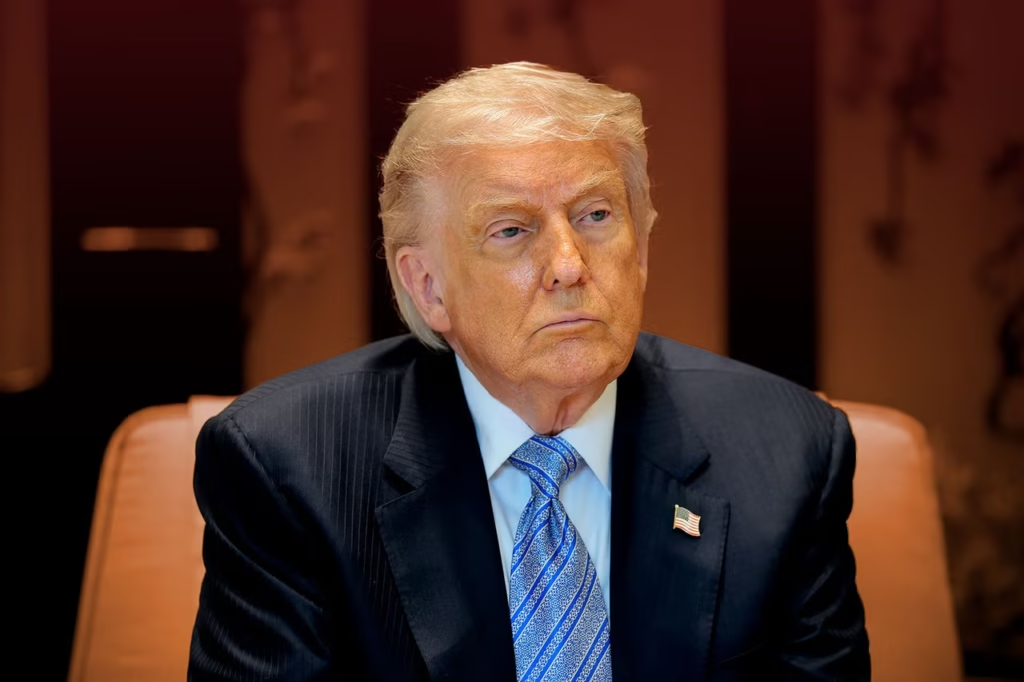
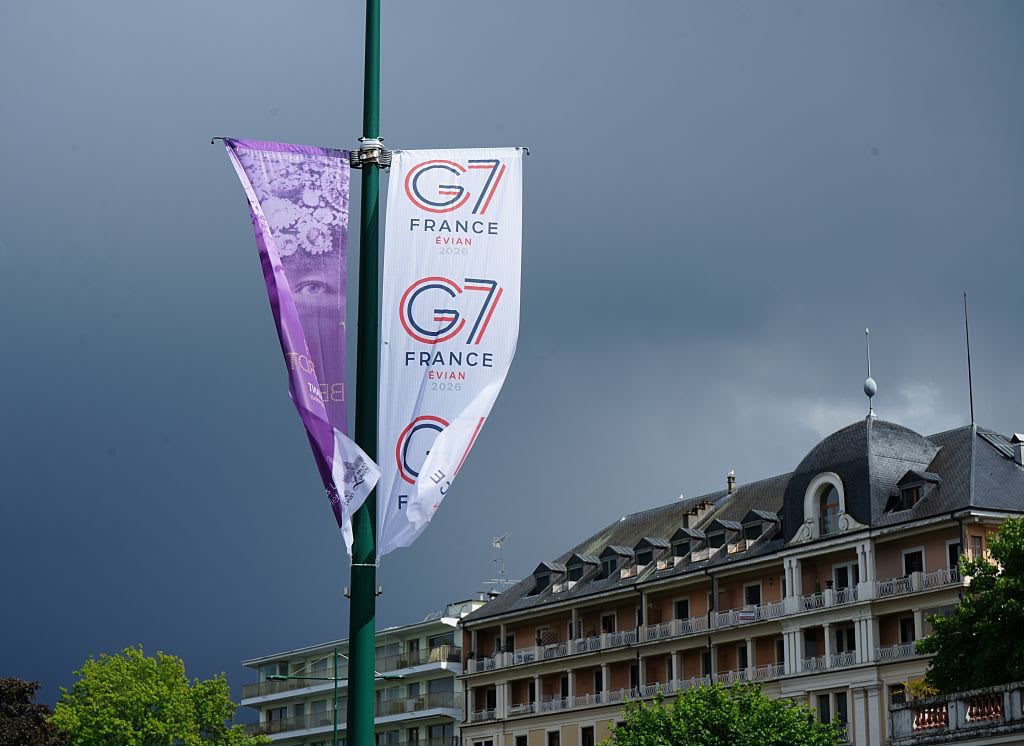
President Trump told reporters at the G7 summit in France that he had not been briefed on the alleged plot before it became public. “The attack that I watched was the fighters,” he said, referring to the fights themselves.
Why This Matters Beyond Washington
For public safety, the case adds to a documented rise in threats against officials and large public events, raising questions about how security agencies adapt to drone-based threats that can bypass conventional perimeters.
For government accountability, the dispute between the FBI and Secret Service highlights tension over how and when law enforcement agencies disclose ongoing investigations, particularly when public credit-claiming risks compromising active cases.
For Patel personally, this is not the first time his public statements have drawn criticism. He previously posted prematurely about a suspect in the killing of conservative commentator Charlie Kirk in September 2025, and about a person of interest in a Brown University shooting in December 2025, claims he later had to walk back in both cases.
For event security nationwide, the case is likely to influence how organizers of large outdoor gatherings, including future political and sporting events, assess drone-related risks.
For the broader conversation on political violence, the mixed motives described in court filings complicate efforts to categorize the threat along a single ideological line, a pattern researchers say is becoming more common.
Fact vs. Claim
Confirmed by unsealed court documents: five men have been charged, the investigation began with a parent’s call to local police on June 10, and the event went ahead without incident on June 14.
Confirmed by Patel and the Justice Department: the plot allegedly involved explosive drones and plans to shoot fleeing attendees.
Disputed or unverified: the precise number of additional people involved. Officials have cited a range of “up to 23” Signal participants, but only five face charges, and it has not been independently confirmed how many of the remaining participants, if any, will be charged.
Disputed: Vance’s claim about the broader political direction of violent rhetoric has not been independently verified and is a characterization rather than a documented statistic, and prosecutors’ own filings describe a mix of motives rather than a single ideological direction in this case.
Independent verification has not confirmed: how operationally capable the group was of carrying out the attack as planned. The Associated Press notes this remains unclear from the court record.
Timeline
- June 10, 2026 — Tycen Proper’s mother contacts Ohio law enforcement over concerns about her son; deputies find evidence prompting an emergency hospital admission.
- June 11, 2026 — Knox County authorities contact the FBI; Proper allegedly identifies usernames from an online group chat.
- June 13, 2026 — FBI agents search Daniel Eskridge’s Missouri home and arrest Bryan Omar Roa and Michael Alan Thomas in California.
- June 14, 2026 — The UFC Freedom 250 event proceeds at the White House South Lawn without incident, marking Trump’s 80th birthday.
- June 16, 2026 — FBI Director Kash Patel announces the disrupted plot on X; the Justice Department unseals criminal complaints against all five suspects the same day.
- June 17, 2026 — Reports emerge of friction between the FBI and Secret Service over the timing and rollout of Patel’s announcement.
Three Questions This Case Still Has to Answer
Will more suspects be charged? Officials have cited up to 23 participants in the broader Signal chat, but only five face charges so far, leaving open how many others, if any, will be prosecuted.
How close did the plot get to execution? Court records describe planning and purchases but do not establish how far the group had progressed toward actually carrying out an attack.
Will the FBI-Secret Service rollout dispute affect future joint investigations? Repeated instances of early or inaccurate public statements by Patel, including in the Charlie Kirk case and a Brown University shooting, raise questions about coordination protocols between the two agencies going forward.
What Happens Next
- All five suspects are due for additional court proceedings; none has entered a public plea as of this reporting.
- The FBI says its investigation into the broader Signal chat and its other participants remains ongoing.
- Secret Service officials have said additional case details will be released through court filings rather than public statements going forward.
- Lawmakers may face renewed pressure to address drone-related security gaps at outdoor events, building on existing CISA warnings about the technology.
- Scrutiny of Patel’s public communication practices is likely to continue given the pattern of premature or disputed statements in past high-profile cases.
Bottom Line
Federal prosecutors say they disrupted a plot to attack the White House UFC event with explosive drones and gunfire, leading to five arrests after a mother’s call to local police set off the investigation. The case has also reopened scrutiny of FBI Director Kash Patel’s pattern of early public announcements in ongoing investigations, this time straining his agency’s relationship with the Secret Service.
The biggest unanswered question is scope: with up to 23 people allegedly involved in planning chats but only five charged, how this case develops in the coming weeks will determine whether it was a contained cell or part of a larger network.
Sources Used
- Associated Press (via PBS NewsHour, U.S. News)
- NBC News and MS NOW
- CBS News
- ABC News
- Fox News
- NPR
- ESPN
- The Washington Times
- Newsweek (analysis featuring American University researcher Cynthia Miller-Idriss)
- Unsealed federal criminal complaints and affidavits, U.S. District Court filings
- FBI Director Kash Patel, official statements via X
- Secret Service Director Sean Curran, official statements
- Vice President JD Vance and President Donald Trump, public remarks
- U.S. Capitol Police, annual threat assessment data
- Cybersecurity and Infrastructure Security Agency (CISA), public guidance on drone-related security risks