Federal funding for childhood vaccine programs has been ended under HHS Secretary Kennedy’s direction, according to CBS News. The specific programs affected are from confirmed reporting as of this publication. ONYX covers the action at the level of the confirmed policy change and its specific documented consequences.
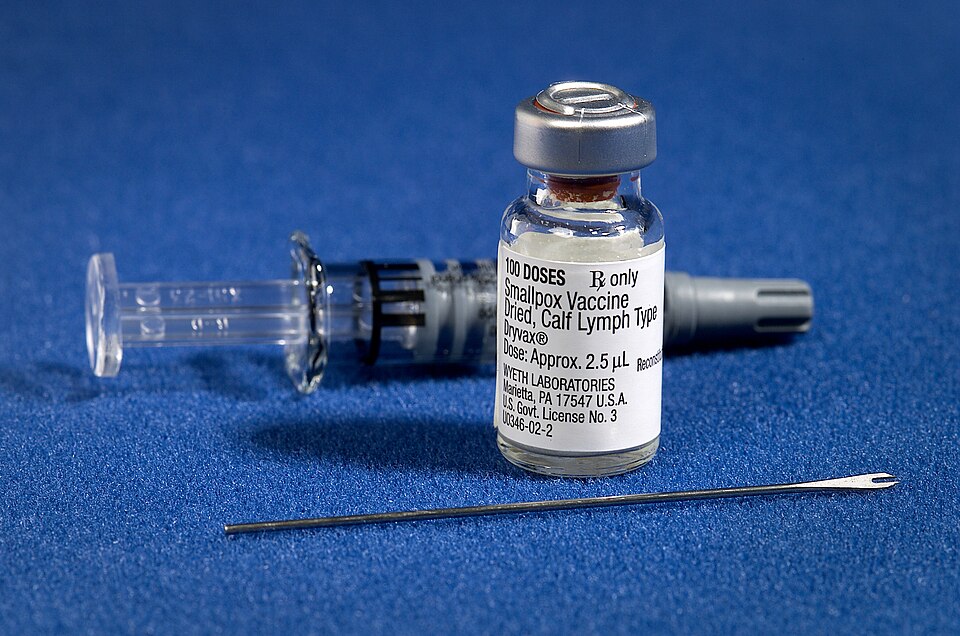
Childhood vaccine program funding is not the same as funding individual vaccines. The programs being defunded include:
▸ CDC immunization infrastructure grants: funding to state and local health departments that coordinate vaccine procurement, distribution, cold-chain management, and administration tracking
▸ Vaccines for Children (VFC) program support: administrative infrastructure supporting the federal program that provides free vaccines to uninsured, underinsured, and Medicaid-eligible children
▸ Immunization information systems: the electronic systems that track vaccination records, generate reminders, and support follow-up for missed doses
▸ Outreach and education programs: state-level programs that increase vaccination awareness and access in underserved communities
WHY INFRASTRUCTURE FUNDING IS NOT THE SAME AS VACCINE FUNDING
The distinction matters for understanding what the defunding means in practice: the vaccines themselves are not being banned or removed. What is being eliminated is the coordination infrastructure that gets vaccines from manufacturer to child. A vaccine that exists in a warehouse but cannot be distributed because the cold-chain logistics network has no funding does not protect children. A vaccine that is available but whose reminder system has been eliminated does not get administered at the right time. Infrastructure is not bureaucracy; it is the mechanism by which a medical product becomes a medical outcome.
THE SPECIFIC CONSEQUENCES
The documented potential consequences of ending childhood vaccine program funding:
▸ Vaccination rate decline: when reminder systems are eliminated and outreach programs end, vaccination rates fall, particularly among the low-income and underserved populations the programs specifically serve
▸ Outbreak risk increase: vaccination rates below herd immunity thresholds allow preventable diseases to circulate; the specific herd immunity threshold varies by disease (measles requires approximately 95% vaccination coverage)
▸ VFC program disruption: the Vaccines for Children program serves approximately 40-50 million children annually who are uninsured or Medicaid-eligible; administrative support disruptions affect whether those children receive vaccines on schedule
▸ State-level variation: states that fund their own immunization infrastructure partially independently of federal grants may be more insulated; states that are primarily federally funded will see the most immediate impact
THE MEASLES CONTEXT
ONYX documented the Pennsylvania measles deaths on August 26: two deaths, approximately 400 cases, both victims unvaccinated, the first US measles deaths in 35 years. The specific timeline:
▸ The two Pennsylvania measles deaths occurred before today’s funding cut
▸ The vaccine spacing executive order (August 17, ORC: MISLEADING CONTEXT) delayed vaccine administration schedules before today’s funding cut
▸ The Pennsylvania classification dispute (August 30) created public confusion about whether to trust official measles death reporting before today’s funding cut
▸ Today’s childhood vaccine program defunding is the most consequential of the three actions, because it threatens the operational infrastructure that would enable a response to a measles outbreak, not only the individual prevention of measles cases
Measles is the specific canary in the vaccination infrastructure collapse: it is the most contagious vaccine-preventable disease, requiring the highest herd immunity threshold (95%), and it is the first vaccine-preventable disease to re-emerge when vaccination rates fall. The two deaths ONYX documented on August 26 are the first visible consequence of declining vaccination coverage. The defunding of childhood vaccine programs is the policy change that could accelerate what August 26 showed beginning.
THE SPECIFIC BENEFICIARIES OF THE DEFUNDED PROGRAMS
The children most affected by the defunding are the children the programs were specifically designed to serve:
▸ Uninsured and underinsured children who access vaccines through the Vaccines for Children program
▸ Children in rural areas where vaccine access depends on mobile outreach and coordinated distribution
▸ Children in communities with language barriers or distrust of healthcare institutions that outreach programs specifically served
▸ Children whose families rely on reminder systems to track which vaccines are due at which developmental stages
THE KENNEDY DIMENSION
HHS Secretary Kennedy has characterized his approach to vaccine policy as science-based skepticism of industry-captured regulatory processes. His critics characterize it as anti-vaccine ideology that is producing policy consequences for children who cannot advocate for themselves. ONYX covers both characterizations at their factual weight: Kennedy’s stated policy rationale is documented; the specific programmatic consequences of ending childhood vaccine program funding are also documented; the children who will not receive vaccines on schedule are not hypothetical.
The vaccines exist. The funding for the programs that coordinate their delivery to children has been ended. The two Pennsylvania measles deaths ONYX documented on August 26 were the first US measles deaths in 35 years. This policy change makes the next measles death — or the next outbreak of any vaccine-preventable disease — more likely, not less.
WHAT HAPPENS NEXT
▸ State response — whether states with strong independent immunization infrastructure can absorb the federal funding loss
▸ Vaccination rate monitoring — whether pediatric vaccination rates decline in states most dependent on federal infrastructure grants
▸ Outbreak tracking — measles and other vaccine-preventable diseases as the leading indicators of vaccination coverage decline
▸ Congressional response — whether the defunding produces a formal legislative response
▸ VFC program continuity — whether the administrative disruption affects the 40-50 million children served annually
| CONFIDENCE: HIGH | HHS ended funding for childhood vaccine programs, CBS News confirmed reporting. Vaccine infrastructure (CDC grants, VFC program, immunization information systems, outreach programs) characterization is from established CDC and public health documentation. The measles herd immunity 95% threshold is from established public health literature. ONYX August 26 measles death documentation is from prior confirmed coverage. |
| ⚖️ BIAS CHECK — WHO IS SAYING WHAT | |
| HHS / Kennedy | Has characterized this as science-based regulatory reform; the specific programmatic defunding consequences are the factual accountability basis for the policy assessment |
| Public Health Community | Will characterize the defunding as a direct threat to child health and a predictable precursor to increased vaccine-preventable disease outbreaks |
| CBS News | Reporting the defunding; ONYX treats CBS News as a credible source |
| Uninsured and underinsured children | Are the specific people most affected by this policy change; they are not in the room where this decision was made |
| ONYX | Covering the specific programmatic consequences at the full public health weight they require; connecting to prior arc documentation of the measles deaths and prior Kennedy vaccine-related actions |
SOURCES
▸ CBS News — HHS Kennedy childhood vaccine programs defunded, September 6, 2026
Q: What is the Vaccines for Children program?
A: The Vaccines for Children (VFC) program was created by Congress in 1993 following a measles outbreak that killed more than 100 children. It provides federally purchased vaccines at no cost to children who are uninsured, underinsured, or Medicaid-eligible. The program reaches approximately 40-50 million children annually and covers the full childhood immunization schedule — not just measles, but polio, hepatitis B, MMR, varicella, and all recommended childhood vaccines. The administrative infrastructure being defunded is what coordinates procurement, distribution, and tracking for these federally purchased vaccines.
Q: What is herd immunity and why does 95% matter for measles?
A: Herd immunity refers to the level of population immunity — from vaccination or prior infection — at which a disease can no longer sustain person-to-person transmission because too few susceptible people remain for the disease to spread. Measles is exceptionally contagious: one infected person can infect 12-18 others in a susceptible population. That high transmissibility means herd immunity requires approximately 95% vaccination coverage. Below that threshold, measles can circulate and reach the 5% of unvaccinated people — and also immunocompromised individuals who cannot be vaccinated, including infants too young for the MMR vaccine.
Q: Has the US experienced vaccine infrastructure collapse before?
A: The 1989-1991 measles outbreak — which killed more than 100 people and infected more than 55,000 — was directly linked to vaccination rate decline among uninsured and low-income children who could not afford vaccines. That outbreak was the specific event that created the Vaccines for Children program in 1993. The historical precedent is direct: when the US has allowed vaccination coverage to fall among its most vulnerable children, measles has been the first disease to return at scale.