
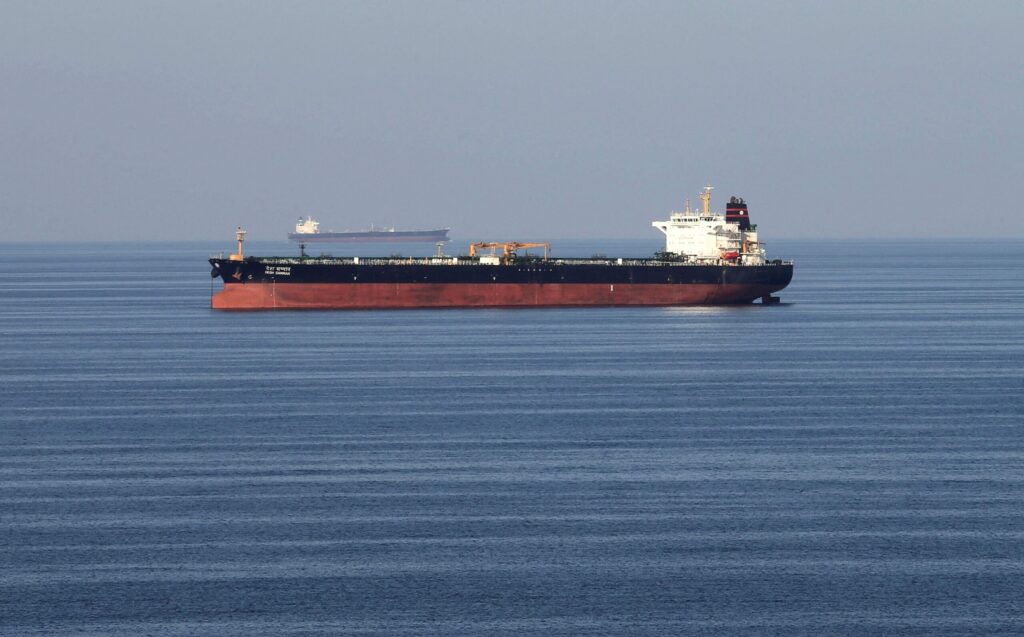
In the first 24 hours after the Iran-US ceasefire deal was announced, AIS ship-tracking data shows approximately 20 large commercial vessels transited the Strait of Hormuz — a significant first-day number but still well below the pre-war daily average of 138 vessels. Lloyd’s List and Kpler confirmed the figure. The gap between 20 and 138 reflects both the normal lag in vessel rerouting (ships that went around the Cape of Good Hope are still weeks away) and residual insurer caution about sending ships before the deal is more fully tested.
HOW TO READ THE 20-VESSEL NUMBER
Pre-war baseline: 138 vessels per day. Wartime low: 6 per day (March 2026). May recovery (under IRGC approval scheme): 40 per day. Day 1 of deal: 20 per day. This sequence requires interpretation.
Day 1 being only 20 vessels — below even the wartime IRGC-approved peak — is not evidence of deal failure. It reflects a specific logistical reality: the ships that would normally use Hormuz have been rerouted. Many are currently mid-voyage around the Cape of Good Hope, a 14-day detour from the Gulf. Those ships cannot simply turn around. The surge to normal Hormuz traffic levels will take 2-3 weeks as routing decisions made before the deal expire and new routing decisions reflect the open strait.
The more meaningful early indicator is not vessel count but vessel category. The 20 first-day transits included: three very large crude carriers (VLCCs) — the largest class of oil tanker; two LPG carriers; and a mix of chemical tankers and bulk carriers. VLCCs carrying 2 million barrels each mean the first 24 hours included approximately 6 million barrels of oil flowing through Hormuz — three times the daily flow during the worst weeks of the closure.
THE INSURANCE GAP
The biggest near-term constraint on Hormuz traffic normalization is not Iranian behavior — it is insurance. Shipping insurers added substantial war-risk premiums when the Hormuz closure began. These premiums are not automatically removed when a ceasefire is announced. Insurers want to see: confirmed deal implementation, demonstrated safe passage for several days, and a formal downgrade of the war-risk status from their underwriting committees.
Lloyd’s of London and the major P&I clubs (the mutual insurance associations that cover most commercial shipping) have war-risk committees that meet on specific schedules. Even with the deal signed, it may take 5-10 business days for formal insurance premium reductions to take effect — meaning ship operators still face elevated insurance costs even when the strait is physically open.
The strait is open. The insurance market is cautious. The ships are still sailing around Africa. Full normalization takes weeks, not hours.
WHAT FULL NORMALIZATION LOOKS LIKE — THE TIMELINE
| DAY RANGE | EXPECTED VESSEL COUNT |
| Day 1 (Aug 8) | ~20 vessels — ships already in region; opportunistic early transits |
| Day 3-5 | ~40-50 vessels — insurance cautiously reduced; vessels near Gulf routing change |
| Day 7-10 | ~70-90 vessels — insurance formally reduced; most Gulf-region shipping rerouted back |
| Day 14-21 | ~100-120 vessels — Cape of Good Hope vessels begin arriving back in Gulf routing |
| Day 21-30 | ~130-138 vessels — approaching pre-war normal; depends on deal holding |
THE SPECIFIC COMMODITIES FLOWING
What is moving through the strait matters as much as how much. The first day’s traffic included VLCCs — these are Saudi and UAE crude exports, which benefit both producers and importing nations. LPG carriers carrying liquefied petroleum gas from Qatar’s Ras Laffan facilities will resume. QatarEnergy had declared force majeure on all LNG shipments on March 4 — that force majeure is now being formally withdrawn, according to industry reports, which means contracted LNG deliveries to Asian and European buyers will resume.
The resumption of Qatari LNG is specifically significant for European energy markets, which had absorbed the supply gap by drawing down strategic reserves and paying elevated spot market prices. European energy security improves meaningfully as Qatari LNG resumes deliveries.
WHAT HAPPENS NEXT
▸ Watch Lloyd’s List daily for vessel count updates — this is the most concrete real-time deal indicator
▸ QatarEnergy force majeure withdrawal will be the formal signal that the LNG market is normalizing
▸ Insurance rate reductions from Lloyd’s war-risk committees expected within 5-10 business days
▸ Saudi Aramco and ADNOC will announce updated export schedules reflecting Hormuz reopening
▸ First major VLCC convoy through the full strait (Hormuz → Gulf of Oman → Indian Ocean) will generate significant market confidence signals
| CONFIDENCE: HIGH | 20-vessel first-day figure is from AIS tracking data confirmed by Lloyd’s List and Kpler. VLCC category breakdown is from shipping analytics. Pre-war (138), wartime low (6), and May recovery (40) figures are from prior ONYX coverage and documented sources. Insurance market mechanism is established shipping industry knowledge. |
SOURCES
▸ Lloyd’s List — Day 1 Hormuz transit data, August 8, 2026
▸ Kpler shipping analytics — vessel category breakdown
▸ AIS tracking data — vessel identification
▸ QatarEnergy — force majeure withdrawal (industry reports)
▸ Prior ONYX August 1 coverage — pre-war (138), wartime (6-40) baseline figures
QUESTIONS YOU MAY STILL HAVE
Q: Why aren’t all 138 daily vessels immediately resuming?
A: Ships that rerouted around the Cape of Good Hope are 14+ days away from the Gulf, mid-voyage. Those voyages are committed. Routing changes only affect the next voyage decision. Full normalization requires waiting for the current rerouted voyages to complete and new routing decisions to direct ships back through Hormuz.
Q: Does the 20-vessel figure suggest Iran is not fully cooperating with the deal?
A: Not necessarily. The 20-vessel figure reflects logistics and insurance caution more than Iranian behavior. The IRGC’s new transit authority was “suspended” under the deal — the normal commercial passages are proceeding without IRGC approval requirements. Whether IRGC naval vessels are respecting the deal (not harassing commercial shipping) is the more relevant behavioral indicator, and reports on this are not yet available for day 1.