The US-Iran 90-day deal extension governs US-Iran bilateral military activity and Iranian enrichment. It extends the Hormuz commercial transit framework. It does not directly govern what the Houthis do in Yemen or what they do at Bab el-Mandeb. The Houthis are referenced in a parallel Saudi-Houthi ceasefire track in the deal’s annex — but that parallel track is a separate negotiation, not the main deal.
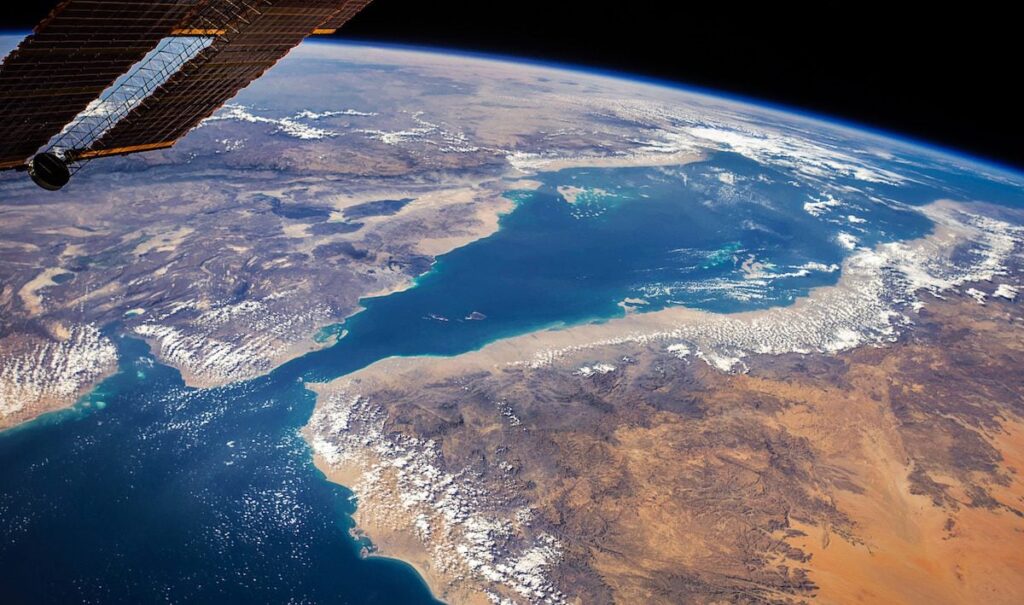
THE MAYUN ISLAND STATUS
Houthi forces seized Mayun Island at the mouth of Bab el-Mandeb on September 12 (ONYX September 12). As of September 18, Houthi control of Mayun Island has not been reversed. The US-Iran deal does not include a Houthi withdrawal from Mayun as a direct term. Whether the parallel Saudi-Houthi track produces a Mayun withdrawal is pending developing reporting.
WHY THIS MATTERS FOR THE OIL MARKET
The IEA’s forecast that Saudi output can recover to 8 million bpd in 90 days requires the East-West pipeline to be restored. But the East-West pipeline sends Saudi oil to Yanbu on the Red Sea — which then transits south through the Red Sea and out through Bab el-Mandeb. If the Houthis control Mayun at the mouth of Bab el-Mandeb, the East-West pipeline restoration does not fully solve Saudi Arabia’s export problem. The oil would reach Yanbu and then face a Houthi-controlled exit from the Red Sea.
THE TWO-CHOKEPOINT PICTURE UNDER THE DEAL
Under the 90-day extension framework as confirmed:
▸ Hormuz: EXTENDED FRAMEWORK — commercial transit guarantees are maintained under the 90-day extension
▸ Bab el-Mandeb: UNRESOLVED — Houthi control of Mayun Island continues; addressed through a parallel track not directly in the deal
The deal resolves one of the arc’s two documented chokepoint crises while leaving the other in a parallel diplomatic process. ONYX documents both the resolution and the gap.
THE IRGC YEMEN CONDITION QUESTION
The IRGC publicly stated on September 12 that Yemen must be part of any peace deal. The parallel Saudi-Houthi track is the deal’s answer to that condition. Whether the IRGC accepts the parallel track as satisfying the Yemen condition — and whether Ghalibaf’s ‘proportionate responses are over’ declaration from September 17 is superseded by the deal — is the specific question that determines whether IRGC military operations actually stop under the 90-day framework.
The deal extends Hormuz. The Houthis still control Mayun. The East-West pipeline oil gets to Yanbu and then has to go through Bab el-Mandeb. Bab el-Mandeb is still controlled by the Houthis. The deal’s most important open question is whether the parallel Saudi-Houthi track produces a Mayun withdrawal before the pipeline restoration makes the open second chokepoint the binding constraint.
WHAT HAPPENS NEXT
▸ Saudi-Houthi parallel track — whether a separate ceasefire produces Houthi Red Sea restraint and potential Mayun withdrawal
▸ IRGC acceptance — whether the IRGC endorses the parallel track as satisfying the Yemen condition
▸ Bab el-Mandeb commercial transit — whether Saudi oil can route south through a Houthi-controlled strait
▸ East-West pipeline — whether pipeline restoration is conditioned on Bab el-Mandeb security
| CONFIDENCE: HIGH | Deal does not directly govern Houthi Bab el-Mandeb Mayun Island; parallel Saudi-Houthi track referenced in the annex; Hormuz extended; Houthi Mayun control unchanged from ONYX September 12 18 confirmed arc documentation. |
SOURCES
▸ ONYX September 12 – September 18 — Houthi Bab el-Mandeb deal coverage gap documentation