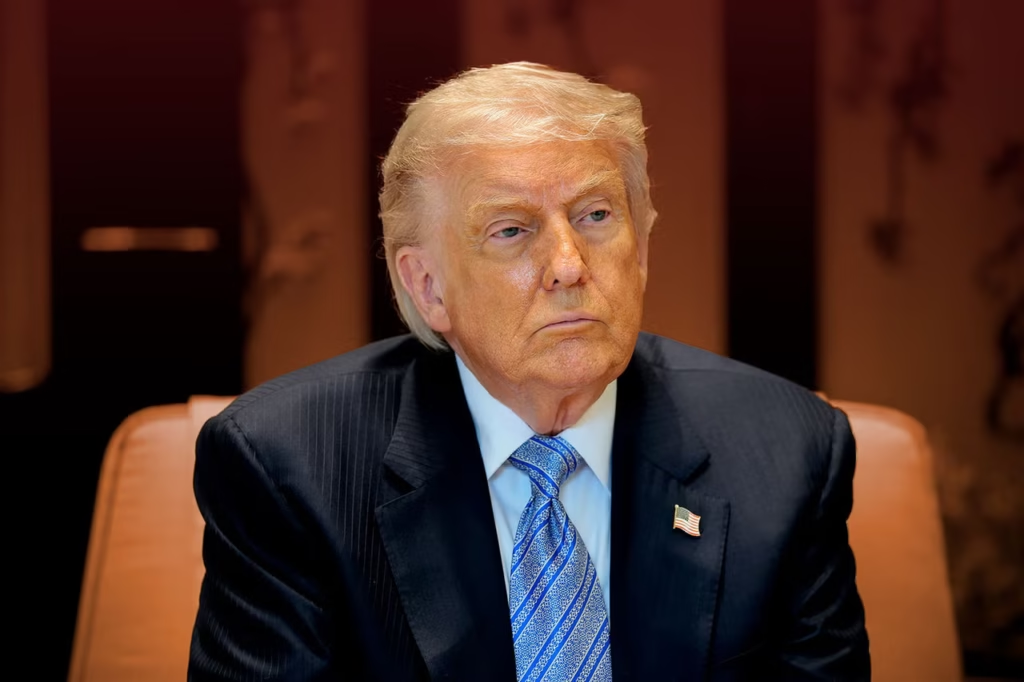
Florida, Alabama, and Mississippi declared states of emergency as Isaias tracked toward landfall. The declarations unlocked resources. Whether those resources arrived in time is the story still being written.
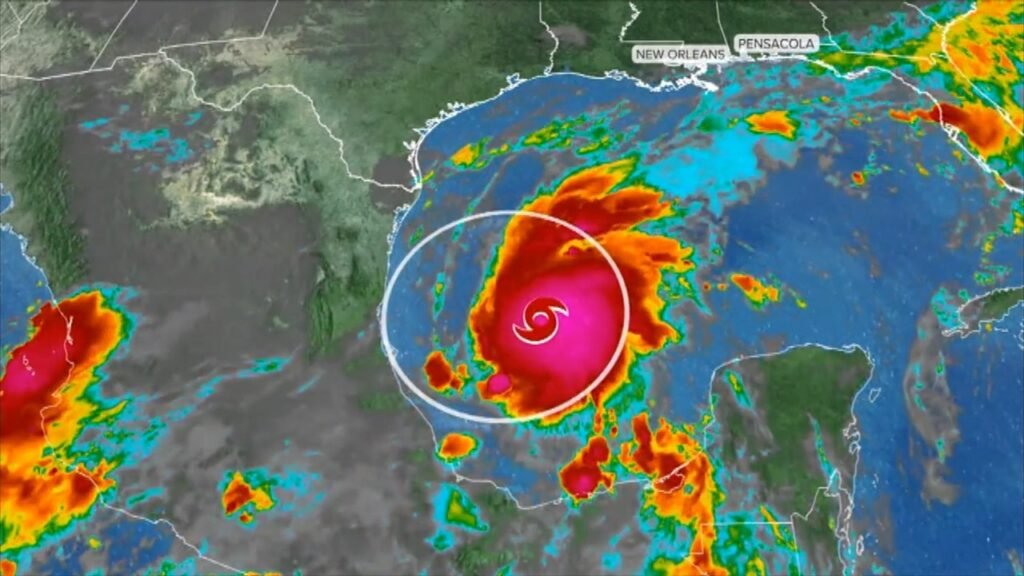
🌀 GULF COAST · OCTOBER 9, 2026 · HURRICANE ISAIAS
A state of emergency declaration is, in the American administrative system, both a statement of fact and a bureaucratic unlock. The fact: conditions are severe enough that normal governmental operating procedures cannot adequately respond. The unlock: emergency management authorities, pre-positioned federal resources, and mutual-aid agreements across state lines all activate. Governors across Florida, Alabama, and Mississippi signed those declarations ahead of Isaias’s landfall, triggering the machinery that decades of catastrophic storms have built into Gulf Coast governance.
Whether the machinery worked is the question that will take weeks to answer. What we know on October 9 is this: the surge forecast reached several feet along the most exposed coastlines. The rainfall projections, particularly for an anticipated stall in the storm’s post-landfall track, meant that communities far inland from the coast faced serious flood risk. And the gap between when the storm reached major hurricane status and when evacuation orders went out was smaller than anyone wanted it to be.
THE SURGE THREAT
Storm surge is not a metaphor. It is water — ocean water, moved by a combination of wind stress and pressure difference — pushed ahead of a hurricane and deposited on land it has no natural business reaching. The Gulf Coast geography amplifies this effect: the shallow continental shelf extends far offshore, giving surge enormous momentum before it reaches the shoreline. Five feet of surge in a low-lying coastal community is not a flood. It is a transformation of the landscape.
The surge forecasts for portions of the Alabama and Florida panhandle coast ranged to several feet in the most exposed areas. Communities built at or near sea level — and much of the Gulf Coast development of the past half century was built exactly there — were in the forecast cone for the kind of surge that does not politely enter through the front door and then leave. It arrives, and then it sits, and then it recedes, and what was there is not always there when it does.
THE EVACUATION QUESTION
Mandatory evacuation orders are effective when they are issued early enough for people to leave, when people have somewhere to go and a way to get there, and when people trust the institution issuing the order. In a post-pandemic, post-misinformation media environment, that third condition is less reliable than emergency managers would like. Voluntary compliance with mandatory orders is not guaranteed, and the populations least likely to comply — those with fewer resources, fewer transportation options, and more distrust of government — are frequently those at highest risk.
The states of emergency activated the National Guard across all three states. Guard assets for search-and-rescue, high-water vehicle operations, and shelter logistics were pre-positioned. This is the institutional memory of Katrina made operational: the lesson that you cannot wait for the storm to pass to begin moving people from dangerous places.
“Emergency declarations are the government saying: we know what is coming, and we are telling you now. Whether people believe that matters as much as whether it is true.”
WHAT HAPPENS NEXT
► Post-landfall damage assessment — FEMA survey and state emergency management reporting
► Evacuation compliance — what proportion of mandatory evacuation zones were actually vacated
► Surge documentation — official measurements of actual surge height versus forecast
► Federal assistance timeline — speed of FEMA resource deployment to affected communities
| CONFIDENCE: HIGH | The Guardian, AP, and Weather Channel confirmed emergency declarations in Florida, Alabama, Mississippi, and surge forecasts. Government declarations are primary sources. |
| BIAS CHECK | ASSESSMENT |
| Source weight | Guardian, AP, Weather Channel — multi-outlet corroboration; government declarations are primary |
| Surge framing | Meteorological description accurate; no alarmism beyond NHC forecast |
| Evacuation framing | Compliance concern noted factually; no partisan framing on emergency management |
SOURCES
► The Guardian — hurricane state of emergency declarations, October 9, 2026
► AP — Isaias Gulf Coast surge forecasts and National Guard, October 9, 2026
► Weather Channel — storm track and rainfall projections, October 9, 2026