Every diplomatic framework has failure modes. The Iran ceasefire deal is significant — genuine, confirmed, producing immediate market effects. It is also structurally fragile in specific, identifiable ways. ONYX identifies five distinct failure modes based on the deal’s confirmed terms, the parties’ domestic political constraints, and the pattern of prior ceasefire collapses in this conflict. Knowing them in advance is how readers can track whether the deal is holding or collapsing.
FAILURE MODE 1: ISRAEL ACTS UNILATERALLY
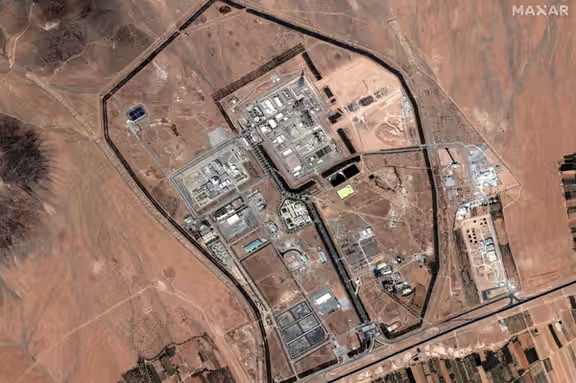
This is the highest-probability failure mode. Netanyahu has not confirmed the deal. Israeli hardliners — including his own coalition partners — have explicitly stated that a 20% enrichment cap is insufficient. Israel has conducted unilateral strikes on Iran before (notably the 2024 strikes). If Netanyahu concludes that the deal leaves Iran’s nuclear program at an unacceptable level of advancement, he may authorize a strike on Iranian nuclear facilities, which would immediately trigger Iranian retaliation and collapse the ceasefire.
The specific window of vulnerability is the first 30 days, before the nuclear dialogue produces any framework. If Netanyahu does not see early, concrete evidence that the nuclear track is heading toward his minimum acceptable outcome, he has both the motivation and the capability to act.
The deal was struck without a public Israeli endorsement. A deal you can’t get your ally to endorse publicly has a specific vulnerability.
FAILURE MODE 2: IRAN VIOLATES THE ENRICHMENT CAP
Iran has violated enrichment agreements before — this is part of why the current standoff exists. If IAEA inspectors find Iran continuing to enrich above 20% after agreeing to suspend it, the US faces a choice: treat it as a material breach and resume operations, or attempt to manage it diplomatically. Trump’s Truth Social language — “full military option remains” — suggests his preference for treating any violation as a deal-killer. The Iranian system has multiple power centers (Supreme Leader, IRGC, Atomic Energy Organization), and their coordination is not guaranteed.
FAILURE MODE 3: DOMESTIC COLLAPSE IN IRAN
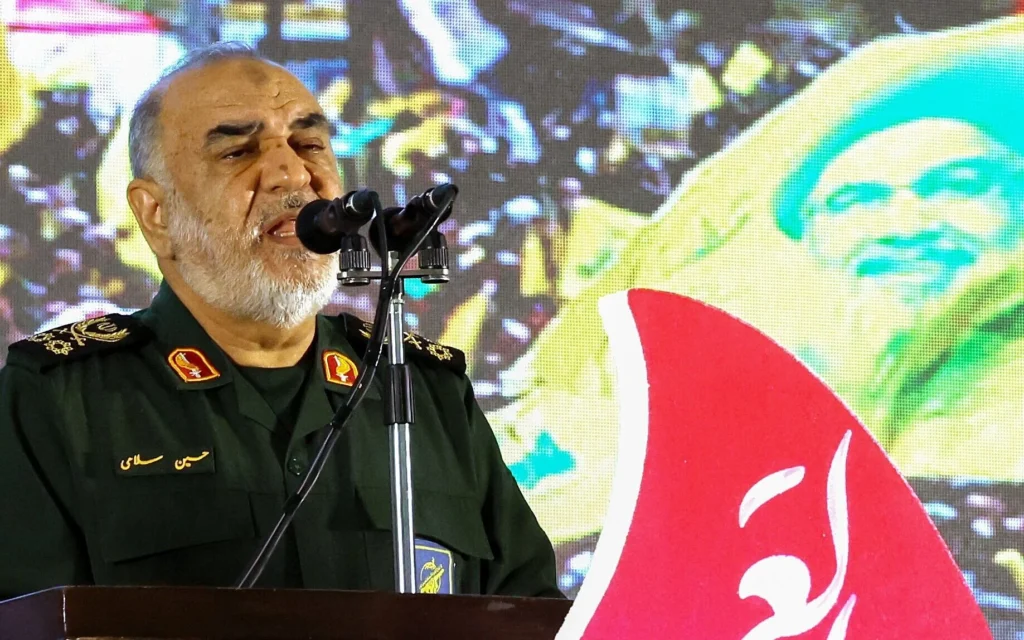
Iran has been experiencing sustained internal protest and economic distress throughout the war. A ceasefire that requires concessions the domestic hard-liner audience views as capitulation creates internal political pressure on the Khamenei leadership. If the deal produces a domestic political crisis in Tehran — a revolt of IRGC commanders, mass protests, or a political coup within the system — all bets on the deal’s continuation are off.
FAILURE MODE 4: GULF STATE INCIDENT
The deal requires a period of no offensive military operations. The Gulf is operationally complex: Iranian proxies (Houthis, Hezbollah-affiliated groups) operate with their own command structures and motivations. If a Houthi missile strike on a Saudi facility is interpreted by the US or Israel as an Iranian-directed violation of the ceasefire terms, it could trigger a response that collapses the framework. The deal’s language on IRGC external operations is the specific gap.
FAILURE MODE 5: THE 60-DAY CLIFF
This is the structural failure mode built into the deal design. At day 60, Hormuz closes again unless the deal is extended or the nuclear framework is complete. If 60 days of nuclear dialogue produce insufficient progress, the deal expires. With depleted missile stockpiles, the US may be in a weaker position at day 61 than it was at day 0. Iran knows this.
The 60-day countdown is simultaneously the deal’s source of pressure (both sides must negotiate with urgency) and its built-in expiration mechanism. Every party is aware that the deal’s durability depends on what happens in the next 60 days, not on the document that was signed today.
| FAILURE MODE | PROBABILITY (ONYX ASSESSMENT) |
| 1. Israeli unilateral strike on Iran nuclear facilities | HIGH — no Israeli endorsement; Netanyahu coalition pressure; 20% cap insufficient for Israeli hawks |
| 2. Iran violates enrichment cap | MODERATE — Iran has a history of violations; multiple power centers; IRGC not fully controlled by FM Araghchi |
| 3. Iranian domestic political collapse disrupting deal | MODERATE-LOW — regime is stressed but functional; deal may actually relieve domestic pressure |
| 4. Gulf proxy incident interpreted as ceasefire violation | MODERATE — Houthis operate independently; attribution disputes are common |
| 5. 60-day cliff without nuclear framework | HIGH — the structural deadline; if nuclear dialogue stalls, the deal lapses automatically |
WHY THIS MATTERS — READING THE NEXT 60 DAYS
ONYX will be tracking these five failure modes daily. The indicators to watch are:
▸ Netanyahu statement: any Israeli government comment is a critical data point — silence is concern, qualified support is better, enthusiastic endorsement is best
▸ IAEA access: whether Iran grants inspectors the access the deal requires within the first 2 weeks signals deal seriousness
▸ Oil price stability: sustained oil price reductions indicate market belief in deal durability; a spike back would indicate concern
▸ Tanker traffic data: actual vessel transits through Hormuz are the most concrete measure of whether the deal is operational
▸ Israeli military movements: any increase in Israeli Air Force positioning relative to Iran is an early warning signal
| CONFIDENCE: HIGH | Deal terms are confirmed by multiple sources. Failure mode analysis is ONYX editorial based on documented parties, constraints, and historical patterns in this specific conflict. Probability assessments are editorial judgments clearly labeled as such — not predictions. |
| ⚖️ BIAS CHECK — WHO IS SAYING WHAT | |
| Trump Administration | Emphasizing the deal’s success; downplaying fragility concerns; “locked and loaded” remains available if needed |
| Democratic Critics | Will focus on the deal’s insufficiency (20% cap too high, 60 days too short, no Gaza linkage) |
| Israeli Government | Silent publicly; watching the nuclear terms carefully; Netanyahu’s options are not foreclosed |
| IRGC (Iran) | Some commanders may resist the enrichment cap as a concession; watch for IRGC statements |
| Gulf States | Cautiously optimistic; they know this specific framework has collapsed before |
| Nuclear Non-Proliferation Experts | Mixed: better than no deal; worse than the 2015 JCPOA terms; the 60-day nuclear dialogue is the real test |
SOURCES
▸ Deal terms — Times of Israel, Reuters, Axios (cross-referenced)
▸ Israeli political constraints — documented from Netanyahu coalition record
▸ Iranian domestic political situation — documented from prior reporting
▸ Houthi operational independence — documented pattern from Yemen conflict
▸ IAEA inspection protocols — established from JCPOA precedent