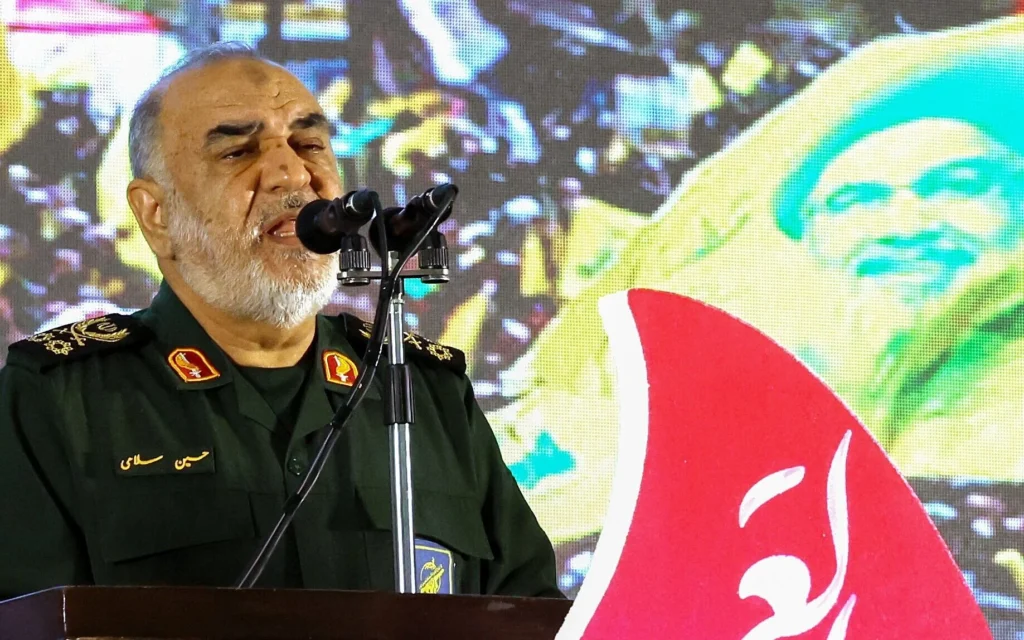
Five days into the Iran ceasefire, the deal continues to function across all primary indicators — IAEA monitoring active, Hormuz normalizing, nuclear dialogue session scheduled for August 14. Alongside the operational ceasefire, Trump is publicly emphasizing Iran’s economic vulnerability: ‘They’re broke,’ he told reporters. ‘Yeah, they can make trouble, but they’re broke.’ His 300% inflation figure for Iran is higher than estimates from his own administration officials — but the underlying economic distress he is describing is documented. The sanctions pressure track running alongside the ceasefire is deliberate: the weaker Iran’s economic position, the more pressure it faces to accept terms in the August 14 nuclear dialogue that fall short of its stated demands.
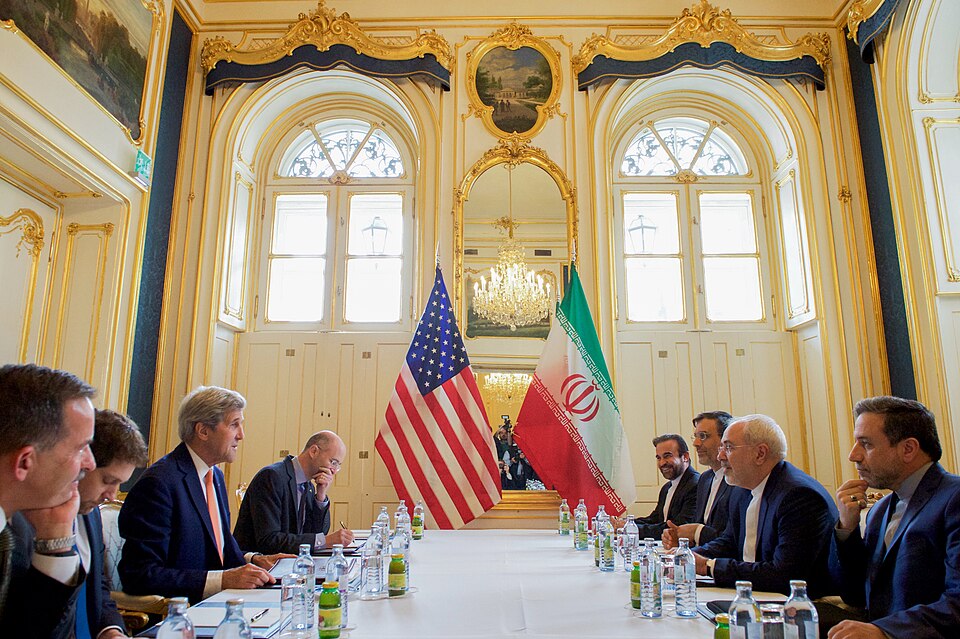
THE DUAL-TRACK STRATEGY — WHAT IT LOOKS LIKE
| CEASEFIRE TRACK (operational) | SANCTIONS PRESSURE TRACK (concurrent) |
| Ceasefire signed August 7; Hormuz open Day 5 | Maximum economic pressure maintained during dialogue period |
| IAEA inspectors at Natanz/Fordow; monitoring active | Existing sanctions remain fully in place; not a sanctions-relief deal |
| Nuclear dialogue session August 14 Muscat | Trump public statements emphasize Iran’s economic weakness |
| 60-day Hormuz framework running | Iran’s economic desperation is the US negotiating leverage |
| Blockade modified (humanitarian + some commercial) | Full port blockade maintained for most categories |
| Oman as mediator; Qatar supporting | US framing: Iran needs this deal more than we do |
TRUMP’S 300% INFLATION CLAIM — THE ORC
| 🔍 ONYX REALITY CHECK VERDICT: MISLEADING CONTEXT WHY? Trump’s claim of 300% inflation in Iran is higher than figures his own administration officials have cited. The International Monetary Fund and economists who track Iran’s sanctioned economy estimate annual inflation in Iran between 35% and 50% in the most recent measurement period — severe, but not 300%. Iran has experienced very high inflation over multiple years (cumulative effects), which could produce a multi-year cumulative figure closer to Trump’s claim depending on the base year used. The underlying point — that Iran’s economy is under severe distress — is documented and accurate. The specific 300% figure as an annual inflation rate is not supported by available economic data. ONYX rates this Misleading Context rather than False because the underlying economic distress point is real, even though the specific number is inflated. |
IRAN’S STATED DEMANDS — WHAT THEY INCLUDE
Iran’s publicly stated demands for a comprehensive settlement — documented in the pre-deal Press TV broadcast that ONYX analyzed on August 9 — include: end to US attacks; full port blockade lift; removal of US forces from the region; sanctions relief; unfrozen assets; and war reparations. The administration has shown no sign of accepting the full list. The signed ceasefire addressed a narrow subset: 60-day Hormuz opening, 20% enrichment cap, IAEA monitoring, and blockade modification (not full lift).
The gap between Iran’s full demand list and what the ceasefire actually delivered is the negotiating space for the August 14 nuclear dialogue. Trump’s public emphasis on Iran’s economic desperation is a negotiating tool: it signals to Tehran that the US believes time and economic pressure are on the American side — which, if Iran believes it too, increases the probability that Iran accepts terms closer to the US position in the nuclear dialogue.
THE DAY-5 DEAL STATUS
▸ Hormuz: ~50 vessels estimated Day 5 — trajectory 20, 28, 38, 45, 50 consistent with normalization schedule
▸ IAEA: monitoring at Natanz and Fordow continues; enrichment below 20% confirmed through Day 4
▸ Nuclear dialogue: August 14 Muscat session confirmed; delegation composition being finalized
▸ Ben Gvir: no coalition ultimatum issued; awaiting nuclear dialogue content as the trigger
▸ Oil: Brent crude holding ~$8 below pre-deal; gas prices beginning to fall at pump (8 cents/week — story 7)
▸ Lloyd’s war-risk insurance: formally reducing premiums; commercial vessel traffic accelerating
WHAT HAPPENS NEXT
▸ August 14 nuclear dialogue first session — the week’s most important diplomatic event; ONYX will track the agenda, delegation level, and whether the session produces agreed terms for continuation
▸ Trump’s economic pressure framing will intensify if the August 14 session reveals Iran holding firm on its full demand list
▸ The Houthi strike on Saudi Aramco’s Jazan refinery (reported today in the brief) is a separate but related pressure point — evidence that the ceasefire does not cover Houthi proxy operations
▸ Ben Gvir’s response to August 14 content will be the next Israeli political signal
| CONFIDENCE: HIGH | Ceasefire deal status (Day 5) is from cumulative ONYX tracking August 7-12. Trump ‘they’re broke’ quote and 300% inflation claim are from NPR, on record. Iran’s full demand list is from ONYX August 9 analysis. ORC on the 300% figure is ONYX editorial based on IMF and economic documentation, clearly labeled. Dual-track strategy analysis is ONYX editorial. |
| ⚖️ BIAS CHECK — WHO IS SAYING WHAT | |
| Trump / White House | Maintaining maximum pressure framing to strengthen nuclear dialogue leverage; not publicly acknowledging ceasefire fragility |
| Iran | The sanctions pressure framing will be used domestically to argue the US is not negotiating in good faith; IRGC hard-liners will cite it |
| Nuclear Dialogue Analysts | The dual-track strategy is a standard coercive diplomacy technique; whether it helps or hurts the August 14 session depends on Iranian domestic political dynamics |
| Democrats | Will note the gap between Trump’s 300% inflation claim and documented figures; will use it as evidence of the administration’s tendency to overstate Iran’s weakness |
| ONYX | Flagging the brief’s stale framing explicitly; correcting the narrative arc while accurately reporting the real new element (Trump’s public sanctions pressure) |
SOURCES
▸ NPR — Trump “they’re broke” quote, 300% inflation claim, August 2026
▸ ONYX August 7-11 cumulative coverage — ceasefire deal terms and Day 1-4 status
▸ IMF / Iran economic data — documented inflation estimates
▸ Iran Press TV — full demand list (ONYX August 9 analysis)
Q: Is Trump’s 300% figure right?
A: No — not as an annual inflation rate. IMF and economists tracking Iran’s sanctioned economy estimate annual inflation between 35-50%. Cumulative multi-year inflation could produce a higher figure depending on the baseline year used, which is how Trump may be arriving at the 300% number. The underlying point — that Iran’s economy is severely distressed — is accurate.
Q: Does running sanctions alongside a ceasefire undermine the ceasefire?
A: Not necessarily. The ceasefire is not a sanctions-relief deal — the blockade modification is partial, and existing sanctions remain. Maintaining economic pressure while pursuing nuclear dialogue is coercive diplomacy: applying pressure to induce better terms. Whether Iran interprets it as bad faith (and uses it to justify walking out of the August 14 session) is the risk.
Q: What is the Houthi Jazan refinery strike about?
A: Houthi rebels struck Saudi Aramco’s Jazan refinery in Yemen-adjacent Saudi territory. Houthi operations are a proxy of Iran, but they are not covered by the US-Iran ceasefire — the ceasefire is a bilateral agreement, not one that binds Iran’s proxies. The Jazan strike is evidence that the broader regional conflict continues even as the US-Iran bilateral ceasefire holds.