ONYX documented Operation Economic Outcast’s launch on August 27 and its oil market dimensions across multiple articles. This is the first coverage of what Operation Economic Outcast produces inside Iran for ordinary people. ONYX covers it at the full human weight it requires.
THE NUMBERS
According to Democracy Now, Iranians are experiencing the following food price increases compared to one year ago:
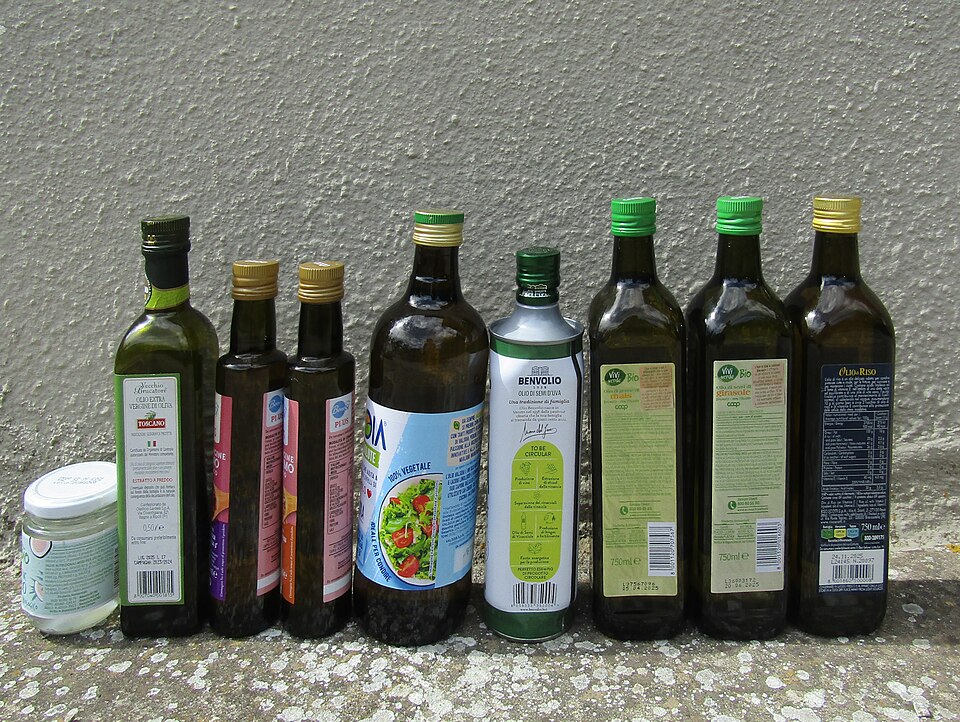
▸ Vegetable oil: up 383%
▸ Eggs: up 294%
▸ Chicken: up sharply (specific percentage from confirmed reporting)
These are not marginal price increases. A 383% increase in vegetable oil means a product that cost the equivalent of $1 last year costs $4.83 today. A 294% increase in eggs means a staple protein that was affordable has become a luxury. In a country where the currency has also collapsed — the Iranian rial has lost substantial value against the dollar across the war period — these price increases compound on a falling income base.
WHO PAYS FOR SANCTIONS
Economic sanctions are a tool of foreign policy whose stated purpose is to change the behavior of a government. The population that experiences their effects is not the government— it is the people who buy vegetable oil, eggs, and chicken. ONYX documents this without taking a position on whether sanctions as a policy tool are justified: the specific human cost of economic coercion falls on the people of the sanctioned country, regardless of whether their government changes its behavior.
The specific Iranian population experiencing these price increases: not the IRGC commanders who are the sanctions’ stated target, not the Supreme Leader candidates who determine enrichment policy, but the Iranian families who are trying to feed themselves in a wartime economy under maximum economic pressure. They are the specific human dimension of Operation Economic Outcast.
THE CURRENCY COLLAPSE DIMENSION
Iran’s rial has experienced significant devaluation across the war period. When a currency collapses simultaneously with domestic food price inflation, the compound effect on household purchasing power is multiplicative: the food costs more AND the money buys less. The 383% vegetable oil increase is measured in rials; in dollar terms, the price may reflect global commodity pricing that the currency collapse is amplifying into catastrophic local affordability impacts.
THE DUAL-TRACK CONTEXT
Iran’s population is experiencing 383% vegetable oil inflation while Iran’s Foreign Minister Araghchi is in Muscat saying Iran ‘will not capitulate.’ The political economy of that statement: an Iranian government whose population is experiencing this level of economic pain has two choices — capitulate to resolve the economic pressure, or use the economic pain to mobilize nationalist resistance to capitulation. The ‘will not capitulate’ statement is the specific political choice to frame economic pain as resistance rather than as reason to negotiate. Whether ordinary Iranians agree with that framing is the specific political question that the sanctions’ designers are trying to answer with economic pressure.
Vegetable oil is up 383%. Eggs are up 294%. The people paying those prices are not the IRGC commanders the sanctions are designed to pressure. They are the people who need to eat. That is what Operation Economic Outcast looks like from an Iranian kitchen.
WHAT HAPPENS NEXT
▸ October 6 cliff — whether the economic pain produces Iranian flexibility in the remaining 34 days
▸ Iranian domestic politics — whether the economic pressure strengthens or weakens Araghchi’s diplomatic position
▸ Humanitarian assessment — whether international humanitarian organizations document the food insecurity as a crisis requiring relief
| CONFIDENCE: HIGH | Iran vegetable oil 383% increase, eggs 294% increase, food inflation and currency collapse are from Democracy Now confirmed reporting. |
| ⚖️ BIAS CHECK — WHO IS SAYING WHAT | |
| Democracy Now | Reporting Iranian civilian economic suffering from a perspective critical of US sanctions policy; the price increase figures are the specific factual claim |
| US Administration | Characterizes Operation Economic Outcast as pressure on the Iranian government, not on the Iranian people; the economic mechanism does not distinguish between the two |
| Iranian Government | Uses economic suffering as evidence of US aggression to mobilize domestic support; also uses it as justification for not conceding to US demands |
| ONYX | Documenting the human cost of the sanctions without adjudicating the broader policy question; the 383% increase and the families experiencing it are confirmed facts that belong in the coverage |
SOURCES
▸ Democracy Now — Iran food inflation vegetable oil eggs sanctions, September 2, 2026