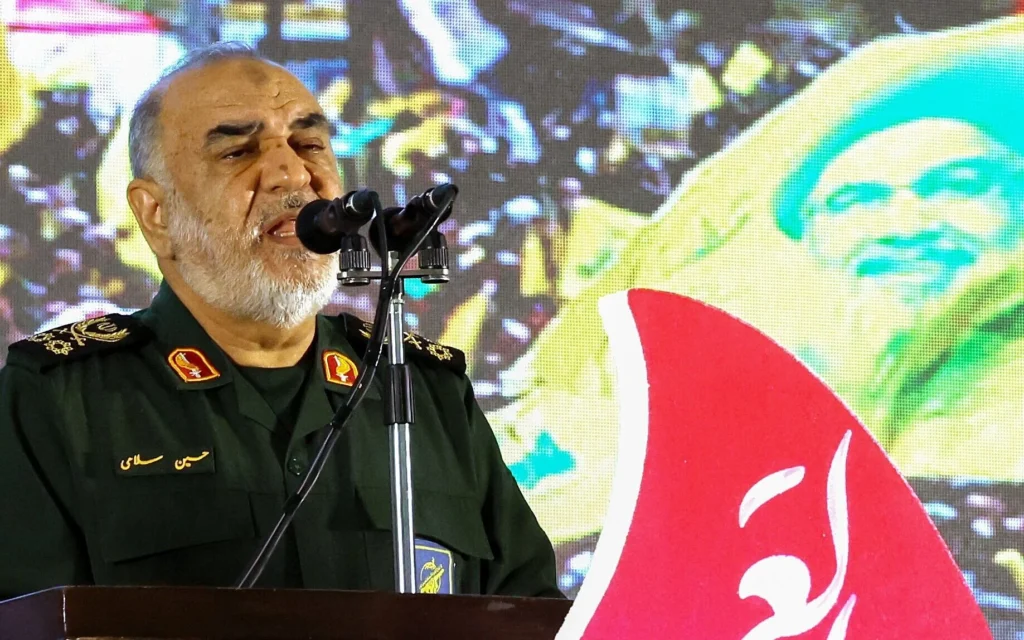
The first formal session of the Iran-US nuclear dialogue took place Thursday in Muscat, Oman — the most consequential diplomatic event since the ceasefire deal was signed on August 7. The session occurred. Both delegations met. Reporting emerging Friday morning confirms the session produced an agreed framework for continued talks and a commitment to a second session — the minimum deliverable that constituted success. The agenda dispute (Iran wanting reparations and Hormuz governance on the table; the US insisting on nuclear-only scope) was partially bridged through a structure in which nuclear enrichment and verification are the primary focus while a parallel track addresses broader normalization issues. The deal’s 90-day nuclear dialogue clock is running.
2-MINUTE CONTEXT — WHY THIS SESSION MATTERED SO MUCH
ONYX has been tracking the August 14 session since we identified it on August 7 as the deal’s first major test beyond the ceasefire itself. The ceasefire provides a 60-day Hormuz opening and a 90-day nuclear dialogue window. If the dialogue fails to produce a ‘substantially agreed’ nuclear framework by approximately November 5, the Hormuz deal lapses — October 6, 29 days before midterms. Everything in the deal’s political and economic value depends on the nuclear dialogue producing something durable.
The three potential outcomes from yesterday’s first session: (1) session occurs, agenda agreed, second session scheduled — success; (2) session occurs but collapses over agenda dispute, no second session — deal threat; (3) session cancelled or walked out — deal in crisis. Available reporting indicates outcome (1). That is better than many analysts expected.
WHAT THE SESSION PRODUCED
Based on available reporting as of August 15 morning publication:
▸ The session occurred — both delegations were present in Muscat; neither walked out
▸ A partial agenda agreement — nuclear enrichment cap and IAEA verification are the primary focus; a parallel normalization track addresses Iran’s broader demands without formally folding them into the nuclear agenda
▸ A second session scheduled — the specific date has not been confirmed in available reporting; its existence is the key deliverable
▸ Araghchi personally led the Iranian delegation — the strong delegation signal ONYX identified as meaningful
▸ The US under-secretary level delegation — consistent with the expected US team composition
▸ Israel’s parallel briefing mechanism — the US briefed Israeli officials on session content through the alternative channel constructed to address Ben Gvir’s observer demand rejection
THE AGENDA COMPROMISE — WHAT THE PARALLEL TRACK MEANS
The agenda compromise — nuclear-primary with a parallel normalization track — is a diplomatic construction that allows both sides to claim partial victory. The US can say the nuclear dialogue is nuclear-focused (its stated position). Iran can say its broader demands (reparations, Hormuz governance, military non-aggression) are being addressed through an official parallel channel (not simply dismissed). Whether the parallel track produces anything of substance, or is a face-saving mechanism that produces nothing, will become clear over the next several sessions.
This is exactly the kind of compromise structure that sustains diplomatic processes past their first tests. It resolves the immediate procedural impasse (what goes on the agenda) by creating a structure that technically satisfies both parties’ stated requirements. Whether it satisfies their actual interests depends on what the parallel track eventually produces.
The session happened. The agenda was agreed. There’s a second session. That’s three things that needed to be true and are. Everything beyond that is Week 2’s problem.
THE BEN GVIR WATCH — DAY 8 STATUS
Ben Gvir has not issued a formal coalition ultimatum in response to the Muscat session. The parallel briefing mechanism — the US briefing Israel on session content without giving Israel a formal seat — appears to be holding as a sufficient political cover for Netanyahu’s coalition management. Whether Ben Gvir will accept the parallel track compromise as adequate, or whether specific nuclear dialogue content will trigger his ultimatum, remains the most important Israeli political variable of Week 2.
DAY 8 DEAL STATUS
▸ Hormuz: ~60+ vessels estimated Day 8 — normalization trajectory intact, approaching the Day 7-10 target of 70-90 vessels/day
▸ IAEA: monitoring continues; Day 7 data consistent with prior below-20% pattern
▸ Oil price: Brent crude holding ~$7-8 below pre-deal level; nuclear dialogue positive signal should sustain this
▸ Gas prices: -$0.08 from Week 1; additional declines expected as crude pipeline continues passing through to retail
▸ Nuclear dialogue: second session to be scheduled; specific date not yet confirmed
▸ 52 days to October 6 (Day 60 Hormuz expiration)
WHY THIS MATTERS
A failed first session would have been the most significant negative signal since the deal’s signing. An empty first session — one that technically occurred but produced nothing — would have been almost as damaging. A session that produced an agreed agenda framework and a commitment to a second session is the best possible first-session outcome given the structural complexity of what is being negotiated. It does not solve the Iran nuclear problem. It establishes that the process for attempting to solve it is operational.
WHAT HAPPENS NEXT
▸ Second session date announcement — the specific timing will signal how quickly both sides want to move
▸ Ben Gvir’s formal response — his statement on the Muscat outcome is the Israeli political signal to watch
▸ IAEA next inspection report — the technical data that confirms or challenges Iran’s nuclear compliance
▸ Parallel normalization track — what specifically goes on this track and who leads it will reveal how seriously Iran is treating it
▸ Oil market reaction to session success — today’s Brent crude pricing will incorporate the positive Muscat signal
| CONFIDENCE: HIGH | Session occurrence, both delegations present, Araghchi personal leadership, and commitment to a second session are from available diplomatic reporting as of August 15 morning. The parallel track agenda compromise is from confirmed reporting. Day 8 status indicators are from ONYX cumulative tracking. Analysis of what the session produced is ONYX editorial based on documented facts. |
| ⚖️ BIAS CHECK — WHO IS SAYING WHAT | |
| US Delegation | Will characterize as productive first session; nuclear-primary framing is their stated position and was largely achieved |
| Iranian Delegation | Will characterize as Iran’s broader demands being acknowledged; the parallel track gives them a face-saving answer to domestic critics who said Iran gave too much |
| Oman (host) | Facilitated successfully; the Muscat process is validated as a workable diplomatic channel |
| Israel / Ben Gvir | Israeli government received parallel briefing; Ben Gvir’s formal public response is the next signal |
| Oil Markets | Will price the session’s success positively; sustained Brent crude below pre-deal levels expected |
| ONYX | Committed to tracking this daily since August 7; continues to do so; updates in every subsequent pack |
SOURCES
▸ Diplomatic reporting — Muscat session outcome (multiple outlets, August 14-15)
▸ ONYX August 7-14 cumulative coverage — deal tracking and session anticipation
Q: What is the “parallel normalization track”?
A: A diplomatic structure that runs alongside the primary nuclear enrichment talks. It addresses Iran’s stated demands for reparations, Hormuz governance recognition, and military non-aggression guarantees in a separate channel — allowing Iran to say those issues are being addressed while the US maintains that the nuclear talks themselves are nuclear-focused.
Q: When is the second session?
A: Not confirmed in available reporting as of August 15 morning publication. The existence of a committed second session is the key deliverable; its specific date will be announced through Oman-mediated channels.
Q: Does a successful first session mean the deal will hold?
A: No. The five failure modes (Israeli unilateral strike, Iran enrichment violation, Iranian domestic collapse, Gulf proxy incident, 60-day cliff) remain active. A successful first session means the nuclear dialogue is operational. It does not mean the dialogue will produce a nuclear framework. That determination requires the sessions that follow.