Today is August 31 / September 1, 2026. Day 24 of the Iran ceasefire deal. The second nuclear dialogue session occurred in Muscat, Oman today — the session ONYX identified on August 7 as the deal’s critical remaining diplomatic moment. This is the most consequential Iran deal development since the deal was signed on August 7. ONYX covers Session 2 at the full weight 24 days of documented arc requires.
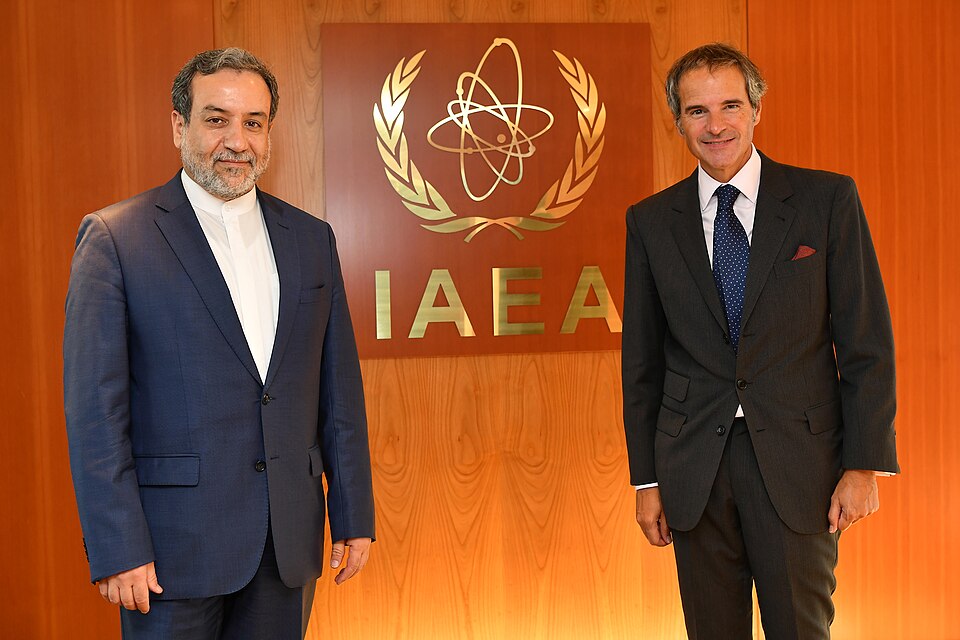
WHAT ARAGHCHI SAID
Iranian Foreign Minister Abbas Araghchi emerged from Session 2 with a specific public statement: Iran will not capitulate to US demands. The specific framing is important: ‘won’t capitulate’ is a domestic political statement as much as a diplomatic one. Araghchi is speaking to the Iranian internal audience that has been watching hardline parliament members demand Hormuz toll legislation and IRGC officials insist that economic warfare is not an acceptable framework for continued diplomacy.
What Araghchi’s statement does not tell us: whether Session 2 produced substantive enrichment terms; whether an extension framework was discussed; whether Session 3 was committed to; and what the private content of today’s session was versus the public posture. Diplomatic sessions are not conducted in public; Araghchi’s exit statement is one data point, not the session’s complete record.
WHAT SESSION 2 NEEDED TO PRODUCE
ONYX documented Session 2’s requirements across multiple articles since August 14. The requirements, assessed against what is confirmed from today’s session:
▸ Substantive nuclear enrichment terms: Iran must table a specific enrichment level — STATUS: Araghchi’s ‘won’t capitulate’ suggests Iran did not agree to US enrichment demands; whether it tabled specific alternative terms is not confirmed
▸ Monitoring and verification framework: IAEA parameters for any extension period — STATUS: not confirmed from available reporting
▸ Extension framework: terms under which both sides commit beyond October 6 — STATUS: not confirmed; the no-extension signal from the White House (August 26) is the context for any extension discussion
▸ Session 3 commitment: a third session would make October 6 manageable — STATUS: not confirmed from available reporting as of this publication
THE “WON’T CAPITULATE” STATEMENT — WHAT IT MEANS
The specific diplomatic meaning of Araghchi’s ‘won’t capitulate’ statement depends on what ‘capitulate’ means in the context of today’s session. ONYX’s analysis:
▸ Maximum interpretation: Iran rejected all US nuclear terms as presented; Session 2 was procedural rather than substantive; no enrichment agreement is possible before October 6 without a fundamental US posture change
▸ Minimum interpretation: Iran rejected Trump’s ‘surrender’ framing while continuing substantive diplomatic engagement; ‘won’t capitulate’ is a domestic political statement designed to give Araghchi cover for the compromises that a negotiated extension would require
▸ ONYX assessment: the minimum interpretation is more consistent with the pattern of Iranian dual-track behavior documented across 24 days; Araghchi’s Foreign Ministry has consistently maintained diplomatic engagement even when hardline rhetoric escalated
THE CRITICAL DISTINCTION — DAY 24’s UNCERTAINTY
Session 2’s full outcome is not yet established from available reporting as of this publication. ONYX applies its established standard: the operational indicators are the test, not the rhetoric. The specific tests:
▸ Has Hormuz closed? No — operational
▸ Has IAEA monitoring been suspended? No — operational
▸ Has Iran announced enrichment above 20%? No — operational
▸ Has the US left the ceasefire framework? No — operational
▸ Has Session 3 been committed? UNKNOWN — this is the critical data point
The deal remains operationally functional on Day 24. October 6 is 36 days away. Whether Session 2 produced an extension framework or a Session 3 commitment — the tests for whether October 6 is navigable — is the specific information ONYX will update as it becomes available from confirmed reporting.
Session 2 happened. Araghchi said Iran won’t capitulate. The deal is still running. October 6 is 36 days away. The most important thing ONYX doesn’t yet know from Session 2 is whether Session 3 was committed to. That answer changes everything.
DAY 24 STAT GRID
| Deal day 24 October 6 (Day 60) is 36 days away | Session 2 DONE Muscat completed; Araghchi “won’t capitulate” |
| Session 3UNKNOWNWhether committed is the critical missing data point | Hormuz OPEN Transit continuing; operational |
| IAEA Active Below 20% through Day 23; no violations | White House posture NO EXTENSION Unchanged as of Day 23; Session 2 may have changed it |
THE FIVE FAILURE MODES AT DAY 24 POST-SESSION 2
▸ Israeli unilateral strike: SIGNIFICANTLY REDUCED — caretaker government; Gaza ceasefire ongoing
▸ Iran enrichment violation: MONITORING — IAEA active; Session 2 outcome may affect; no violations documented
▸ Iranian domestic collapse: ELEVATED — ‘won’t capitulate’ statement reflects domestic political pressure from hardliners emboldened by US surrender demand and economic outcast
▸ Gulf proxy incident: ELEVATED — UAE trade suspension; Oman oil spill; Houthi Red Sea attacks
▸ 60-day cliff: 36 DAYS AWAY — Session 2 outcome determines whether this is survivable; Session 3 commitment is the key variable
WHAT HAPPENS NEXT
▸ Session 2 full outcome reporting — what was actually discussed vs. what was said publicly
▸ Session 3 announcement — if committed, when and where
▸ White House response to Session 2 — whether the no-extension posture changes
▸ Oil market reaction — Brent crude pricing Session 2’s outcome
▸ 36 days to October 6
| CONFIDENCE: HIGH | Session 2 occurred in Muscat today and Araghchi ‘won’t capitulate’ statement are from confirmed reporting. ONYX analysis of what the statement does and does not tell us is ONYX editorial. Day 24 operational status from ONYX cumulative tracking. Session 3 status is UNKNOWN from available reporting. |
| ⚖️ BIAS CHECK — WHO IS SAYING WHAT | |
| Araghchi / Iranian Foreign Ministry | Public statement designed for domestic Iranian audience as much as international; reflects the political constraints on his ability to accept US terms publicly even if private negotiations are substantive |
| White House | Has not publicly responded to Araghchi’s statement as of this publication; their response will reveal whether the no-extension posture is firm or negotiating position |
| Oman | Successfully hosted Session 2 despite the Kushner threat reports, the Russian tanker oil spill on its beaches, and the Operation Economic Outcast pressure; the mediation channel held |
| Oil Markets | Are pricing Session 2’s uncertainty; a procedural session with no extension commitment will produce upward oil price pressure; any extension signal will produce downward pressure |
| ONYX | Covering at the level of what is confirmed; the Session 3 commitment question is the critical unknown; ONYX will update when confirmed reporting establishes the answer |
SOURCES
▸ Confirmed reporting — Iran nuclear Session 2 Muscat Araghchi August 31/September 1, 2026
Q: What does “won’t capitulate” actually mean diplomatically?
A: In diplomatic contexts, public exit statements from a negotiation are written for multiple audiences simultaneously: the domestic audience (showing toughness), the other party (establishing limits), and the international community (defining the public record). “Won’t capitulate” is a maximum-hardline framing that gives Araghchi domestic political cover. It does not necessarily describe the private content of the session. The history of this arc shows repeated gaps between Iran’s public posture (hardline parliament, IRGC rhetoric) and its operational behavior (Hormuz transit continuing, IAEA monitoring unimpeded, Araghchi maintaining the diplomatic channel).
Q: What would Session 3 accomplish?
A: A Session 3 commitment would mean both sides are willing to continue the nuclear dialogue into the October 6 window. If Session 3 is scheduled for, say, September 15-20, both sides have until that date to prepare positions; Session 3 output could then form the basis for an October 6 extension agreement. Without Session 3, the diplomatic track between now and October 6 is effectively closed, making extension dependent on back-channel communication rather than structured dialogue.
Q: What happens if no extension is agreed before October 6?
A: The Hormuz framework expires. Iran would be free to reimpose transit restrictions, Hormuz tolls, or naval challenges. The US would likely respond with a return to the naval posture that preceded the ceasefire. Oil prices would spike toward pre-deal levels, reversing the Labor Day gas price benefit. The nuclear dialogue would lose its operational context. This is the specific consequence ONYX has documented since Day 1 as the 60-day cliff.