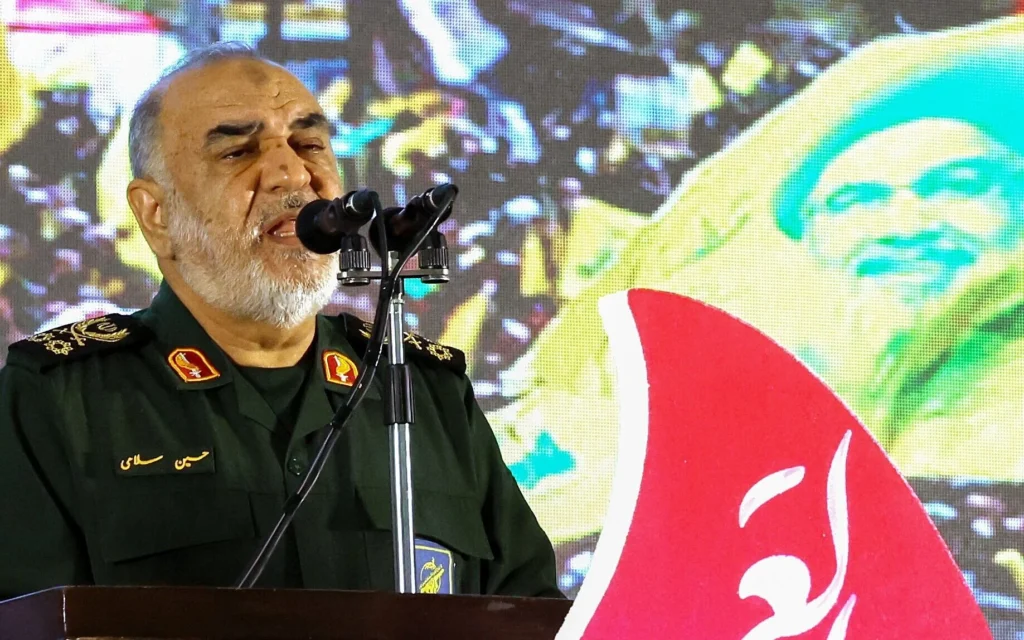
Iranian officials’ use of ‘Great Satan’ to describe the United States dates to the 1979 Islamic Revolution. Ayatollah Khomeini popularized the term; it has been a feature of Iranian state rhetoric across every administration and every bilateral relationship since. The term serves both theological and political purposes: it frames the US-Iran conflict as a moral contest rather than a geopolitical one, and it provides domestic legitimacy for confronting the world’s most powerful military.
WHAT IS DIFFERENT THIS TIME
Qalibaf’s specific invocation is different from routine Great Satan rhetoric in two ways:
▸ It comes from the chief negotiator: the person who represents Iran in the nuclear dialogue that could extend the ceasefire past October 6 used this rhetoric, not a hardline parliament member or IRGC commander; its use by the negotiator signals that the Kuhestak strike has affected the negotiating track’s internal political dynamics
▸ The specific construction: ‘If a power acts like Satan, picks targets like Satan, and kills like Satan, it’s Satan’ — this is not a blanket Great Satan label; it is a specific action-based accusation tied to the Kuhestak strike and the Minab school; the construction is more legally and rhetorically specific than the traditional label
THE DIPLOMATIC SIGNAL
A chief negotiator using Satan imagery about his negotiating partner is a specific diplomatic signal. The range of interpretations:
▸ Maximum interpretation: Qalibaf is signaling that Iran is withdrawing from or pausing the diplomatic track; ‘Satan’ is not a party you negotiate with
▸ Minimum interpretation: Qalibaf is using domestic political language that both audiences understand as rhetorical; the diplomatic track continues regardless of the rhetoric
▸ ONYX assessment: consistent with the pattern of Iranian dual-track behavior documented across 28 days, the minimum interpretation is more consistent with the historical record; Iranian negotiators have used strong rhetorical language throughout the arc while maintaining the diplomatic channel
Great Satan is a 47-year-old tradition in Iranian state rhetoric. Qalibaf using it as chief negotiator after the Kuhestak wedding strike is something different. Whether it is a diplomatic withdrawal signal or political cover for continued engagement is the specific question 32 days to October 6 will answer.
| CONFIDENCE: HIGH | Qalibaf ‘acts like Satan’ statement and Iranian Great Satan rhetorical tradition from Foreign Policy confirmed reporting. |
SOURCES
▸ Foreign Policy — Iran Satan rhetoric Qalibaf tradition escalation, September 4, 2026