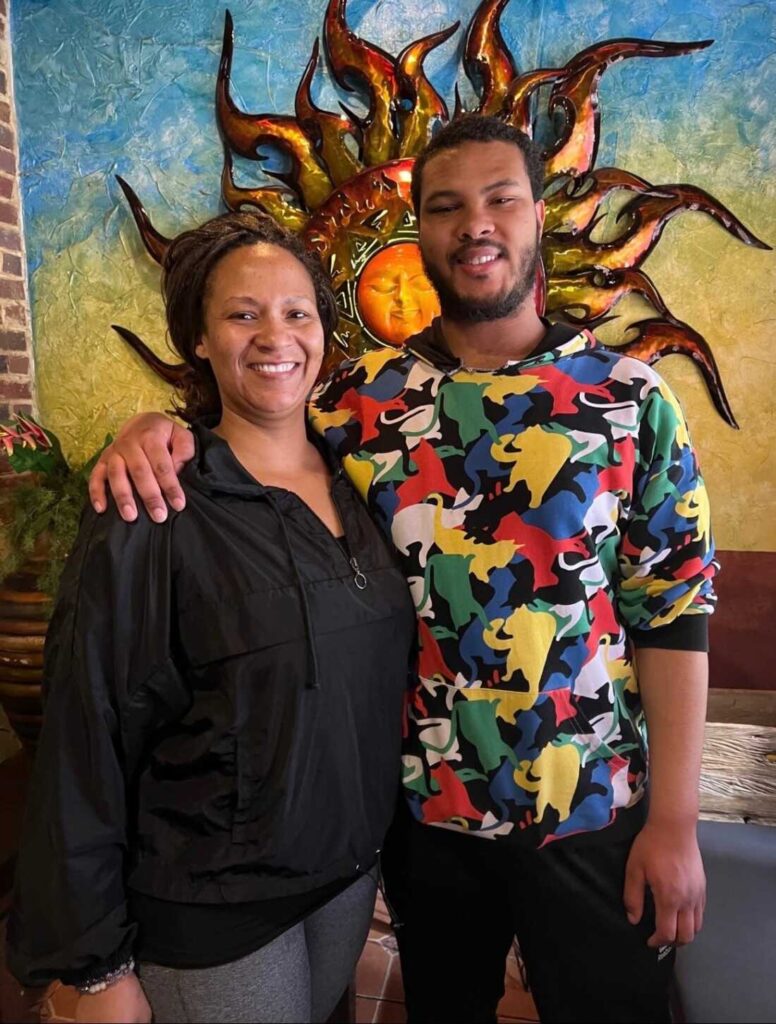
Body camera footage shown to Jonah Neal’s family indicates he did not pose a threat warranting deadly force when a Homeland Security Investigations agent shot him inside his Memphis home on May 27, according to family attorney Andre Wharton. Neal’s mother had told agents directly that her son was experiencing a mental health crisis. Wharton says the footage shows agents were a significant distance from Neal; that one agent said aloud Neal was holding a knife rather than a firearm; and that a second agent opened fire seconds later. Wharton called the response ‘out of proportion’ and reflecting a ‘lack of good training and experience.’
THE FEDERAL DEPLOYMENT CONTEXT
The Homeland Security Investigations agent was not a Memphis Police Department officer. HSI is a component of Immigration and Customs Enforcement within the Department of Homeland Security; its primary mission is investigating transnational criminal organizations, human trafficking, and financial crimes. This agent was deployed to Memphis specifically as part of a federal task force directed by Trump and Tennessee Governor Bill Lee to address local crime — a deployment model that has sent federal agents with different training, legal standards, and accountability structures into urban areas nominally to reduce violent crime.
The specific institutional concern: a federal agent with primary expertise in financial crimes and transnational investigations was responding to a domestic mental health situation. This training mismatch is the specific institutional problem Wharton’s ‘lack of good training and experience’ characterization identifies. Mental health crisis response requires specific de-escalation training that is not a standard feature of HSI or general law enforcement training.
WHAT THE ATTORNEY SAYS THE FOOTAGE SHOWS
Attorney Andre Wharton’s specific characterizations of the body camera footage, as reported by NPR:
▸ Agents were at a significant distance from Neal when the shooting occurred — not in immediate physical danger from close-range contact
▸ One agent verbally identified that Neal was holding a knife, not the handgun his mother had originally called about
▸ A second agent opened fire seconds after the knife identification was stated aloud
▸ Wharton called the response ‘out of proportion’ to the threat as verbally assessed by the agents’ own colleague
ONYX notes: these are the attorney’s characterizations of footage not yet publicly released. The characterizations are from NPR’s confirmed reporting of Wharton’s statements. State authorities have not publicly confirmed or contested them.
THE ACCOUNTABILITY GAPS
The specific accountability gaps the Neal family has identified as of the August 24 press conference:
▸ The agent’s name has not been released by state authorities
▸ It has not been confirmed whether the agent remains on active duty
▸ No state investigation findings have been made public
▸ The federal task force’s chain of command for the specific response has not been publicly established
▸ The body camera footage has been shown to the family but not publicly released
THE PATTERN — THREE FAMILIES, ONE ATTORNEY
ONYX’s coverage of Story 7 today (Andre Wharton representing three families) connects directly: Wharton is now representing the Neal family, the family of Tyrin Johnson (fatally shot by National Guard troops July 5), and a third family in a separate federal agent-involved shooting. The same attorney handling three separate federal use-of-force cases is a specific signal that what happened to Jonah Neal is being documented as part of a pattern, not solely as an isolated incident.
“We’re not giving up. We’re gonna have justice.”
— Jonah Neal’s grandmother, press conference, August 24, 2026
THE FEDERAL TASK FORCE ACCOUNTABILITY QUESTION
The federal task force model — deploying federal agents from agencies with non-local-policing primary missions into cities for crime enforcement — creates specific accountability gaps. Local police departments have internal affairs structures, citizen review boards, and local prosecutors. Federal agents have different accountability structures: the Department of Justice’s Office of Professional Responsibility, the relevant agency’s internal affairs, and federal prosecution — but the local accountability mechanisms that communities use to hold local police accountable do not apply to federal agents in the same way.
WHAT HAPPENS NEXT
▸ Body camera footage public release — Wharton and the family are seeking public release of the footage
▸ State investigation findings — whether Tennessee’s state investigation produces formal findings and any accountability action
▸ Agent identification and duty status — whether the agent’s name and current employment status are disclosed
▸ Federal task force review — whether the deployment model is reviewed in light of the Neal shooting and the broader pattern
▸ Civil litigation — Wharton’s simultaneous representation of three families suggests civil litigation is being coordinated
| CONFIDENCE: HIGH | Body camera footage characterizations (distance from Neal, knife identification stated aloud, seconds before second agent fired), Wharton ‘out of proportion’ quote, HSI agent identity as federal task force member deployed by Trump and Lee, grandmother quote, and accountability gaps are all from NPR confirmed reporting of the family attorney’s characterizations and press conference. These are attorney claims about footage, not independently verified footage descriptions. |
| ⚖️ BIAS CHECK — WHO IS SAYING WHAT | |
| Family Attorney Wharton | Representing three families simultaneously; his characterizations of the footage are his professional assessment; they have not been contested by state authorities in public statements |
| Tennessee State Authorities | Have not released the agent’s name or confirmed duty status; their silence is itself a documented accountability gap |
| Homeland Security Investigations / DHS | Have not publicly responded to the Neal shooting in available NPR reporting; the agency’s institutional interest is in not prejudicing any investigation |
| Trump Administration | Directed the task force deployment that placed an HSI agent in a Memphis mental health response; the deployment model’s accountability structure is the institutional question |
| Jonah Neal’s Family | Seeking accountability through a press conference, legal representation, and public disclosure of footage; their grandmother’s statement is the documented public voice of the family’s position |
SOURCES
▸ NPR — Jonah Neal shooting, HSI agent, Memphis, body camera footage, attorney Wharton, August 24, 2026
Q: What is Homeland Security Investigations?
A: HSI (Homeland Security Investigations) is the investigative arm of Immigration and Customs Enforcement within the Department of Homeland Security. Its primary mission is investigating transnational criminal organizations, human trafficking, financial crimes, child exploitation, and cybercrime. HSI agents are not primarily trained for local patrol policing or mental health crisis response. Their deployment to Memphis for local crime reduction placed them in response scenarios their training does not primarily address.
Q: What is the federal task force model in Memphis?
A: The Trump administration has deployed federal agents to several cities under an initiative to address violent crime using federal law enforcement resources. Memphis was one of the designated cities, with agents from HSI, ATF, DEA, and other federal agencies deployed to work alongside local law enforcement on crime reduction. The model uses federal agents under federal accountability structures in local policing contexts.
Q: Who investigates federal agent shootings?
A: Federal agent shootings can be investigated by multiple overlapping authorities: the relevant federal agency’s internal affairs office; the Department of Justice Civil Rights Division; and state authorities when the shooting involves state law. In this case, Tennessee state authorities appear to be the primary investigative body, but their accountability structure for federal agents is not identical to their accountability for local police.