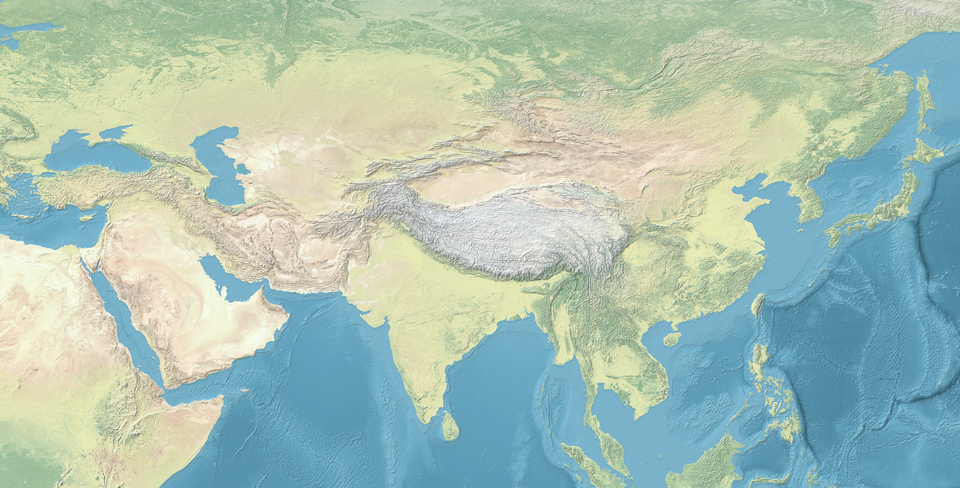
The Himalayas contain approximately 15,000 documented glacial lakes across Nepal, Bhutan, India, Pakistan, and the Tibetan Plateau. These lakes form when meltwater accumulates behind glacial moraine dams or in depressions on glacial surfaces. As Himalayan glaciers accelerate their melt under warming temperatures, both the volume of existing glacial lakes and the number of new lakes are increasing.
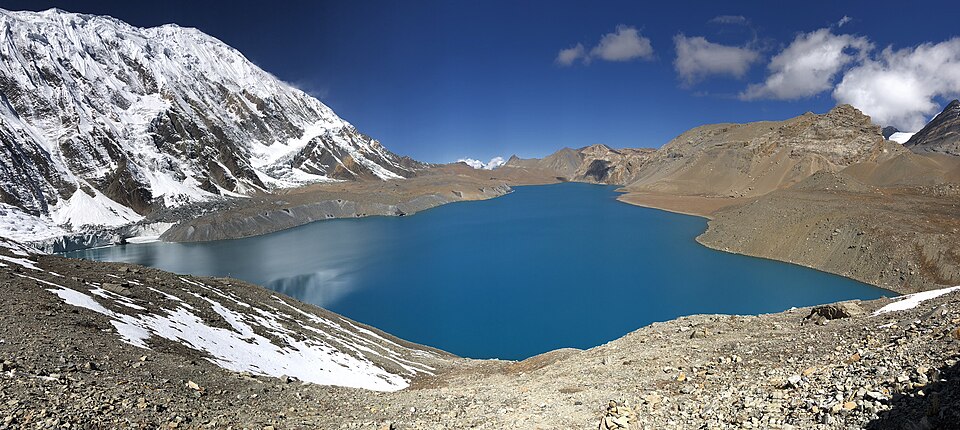
▸ High-priority lakes: researchers have identified approximately 200-300 lakes as ‘high-risk’ — large enough and positioned above populated areas that their outburst would cause significant casualties
▸ Monitoring coverage: a minority of high-risk lakes have real-time monitoring systems; most rely on periodic satellite imagery review
▸ Early warning systems: the infrastructure to translate glacial lake monitoring into community warning time is limited; the 2026 Bhote Koshi collapse and the 2025 event both reached communities with minimal warning
▸ International funding: glacial lake early warning is a climate adaptation priority for international donors, but funding has not matched the scale of the risk
THE ACCOUNTABILITY DIMENSION
The Nepal glacier disaster has produced specific pressure for international investment in Himalayan glacial monitoring. The specific accountability question: the technology to monitor glacial lakes at the required scale exists (satellite imagery, ground-based sensors, machine learning analysis of surface change); the funding and institutional coordination to deploy it at the required scale does not. The 2026 disaster is the third major glacial flood event in the Nepal-China corridor in recent years; it is not the last.
15,000 glacial lakes. 200-300 high-risk ones. Most inadequately monitored. The technology to watch them exists. The investment to deploy it at scale does not. The 2026 disaster is not the last.
WHAT HAPPENS NEXT
▸ International monitoring investment — whether the 2026 disaster accelerates glacial early warning funding
▸ Nepal government priorities — reconstruction and monitoring investment decisions
▸ Scientific assessment — full physical analysis of the 2026 collapse and what monitoring could have detected
| CONFIDENCE: HIGH | 15,000 Himalayan glacial lakes, high-risk lake identification, monitoring coverage limitations are from established ICIMOD and climate research documentation. |
SOURCES
▸ ICIMOD / established glacial research — Himalayan glacial lake monitoring context