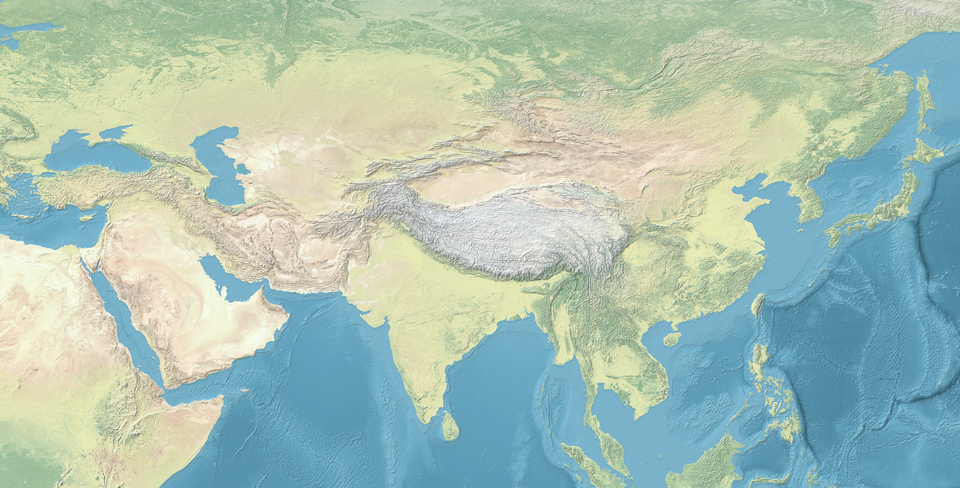
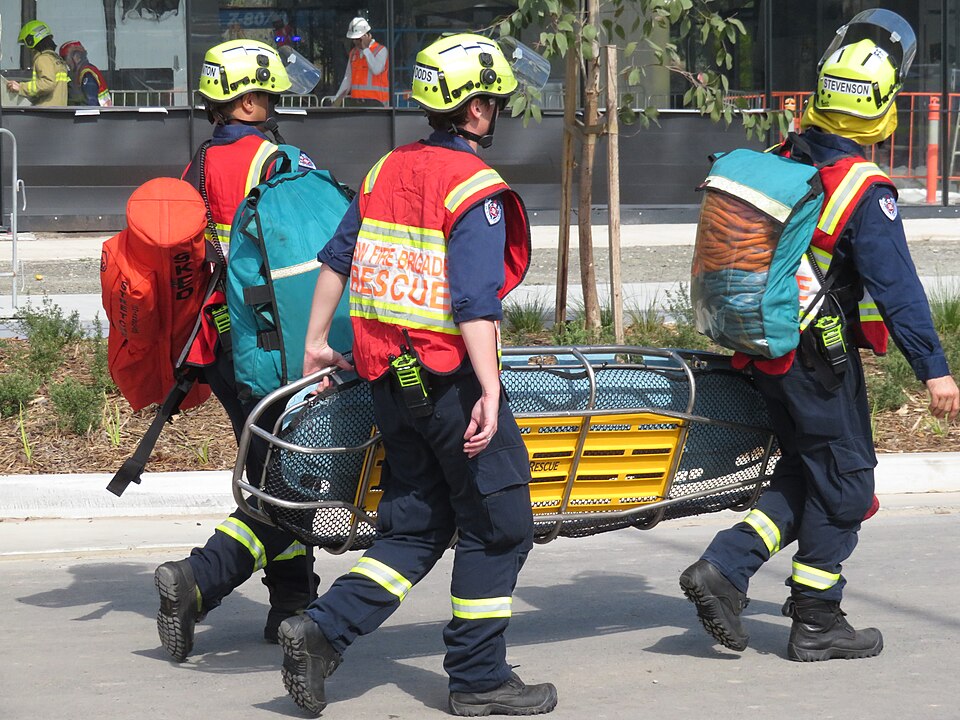
Chinese rescue teams working at Gyirong Port — at 3,800 meters (approximately 12,500 feet) above sea level — told state broadcaster CCTV that ‘even taking simple steps could trigger severe chest tightness, shortness of breath, dizziness and headaches’ due to the extreme altitude. The rescue operation is being conducted in conditions that cause physiological impairment in the rescuers themselves.
ALTITUDE PHYSIOLOGY
At 3,800 meters, the specific physiological challenges:
▸ Oxygen availability: at 3,800 meters, atmospheric pressure is approximately 63% of sea-level pressure; each breath delivers approximately 37% less oxygen than at sea level
▸ Acute Mountain Sickness (AMS): symptoms include headache, nausea, dizziness, fatigue, and difficulty sleeping; at 3,800 meters, most people who ascend rapidly will experience some AMS symptoms
▸ High Altitude Pulmonary Edema (HAPE): fluid accumulation in the lungs at altitude; a potentially fatal condition that can develop within hours at 3,800 meters in susceptible individuals
▸ Cognitive impairment: AMS produces cognitive slowing, reduced decision-making capacity, and decreased coordination; rescue workers making critical decisions in a dynamic environment are doing so with impaired cognition
THE DESTROYED LANDSCAPE
The specific rescue challenge at Gyirong Port: Chinese rescue teams reported no recognizable structures remain. Searching for survivors in an environment where all structural reference points have been destroyed means searching in an undifferentiated mass of debris, sediment, glacial ice, and rock. Standard rescue grid-search methodology requires reference points; the Gyirong destruction leaves none.
THE 72-HOUR WINDOW
The disaster occurred Wednesday, August 27. The 72-hour survival window closed by Saturday morning, August 30 — today. CNN described it as an ‘already narrowing ‘golden window’ for finding survivors’ in its reporting. Rescue teams at altitude, working through physiological impairment, in a destroyed landscape, after the 72-hour survival window, are now primarily engaged in recovery operations rather than survival rescue. This does not mean no survivors will be found; the glacier and debris field create potential air pockets; but survival probability is sharply lower than in the first 72 hours.
The rescuers’ own bodies are working against them at 3,800 meters. There are no structures left to search. The 72-hour window has closed. The people searching are doing so against physiology, against terrain, and against time.
WHAT HAPPENS NEXT
▸ Survival searches — continuing despite the 72-hour window; occasional survivors in protected spaces remain possible
▸ Recovery operations — transitioning to body recovery and accounting for the missing
▸ Dam breach monitoring — secondary flooding threat from the landslide-formed dam
▸ Rescue team welfare — altitude sickness management for rescue personnel
| CONFIDENCE: HIGH | Rescue teams chest tightness altitude 3800 meters, CCTV reporting, CNN 72-hour golden window characterization, and Gyirong Port no structures remaining are from confirmed reporting. |
SOURCES
▸ CCTV (state broadcaster) — Chinese rescue teams altitude conditions, August 30, 2026
▸ CNN — Nepal glacier disaster 72-hour window rescue, August 30, 2026