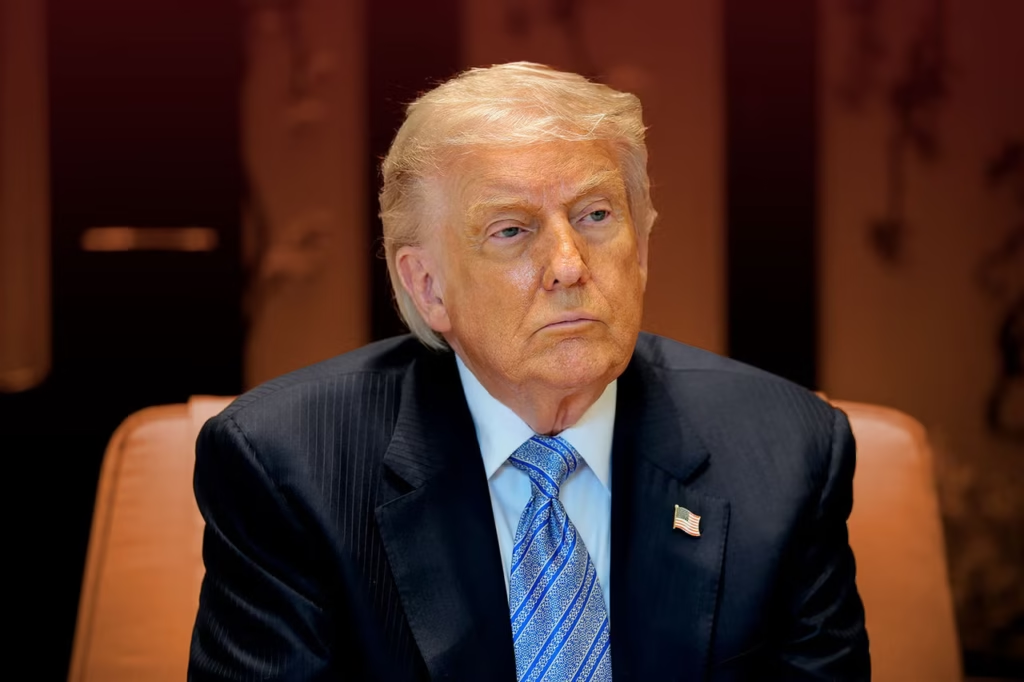
The post-midterm rebuilding process begins as Republicans who lost the House majority move to elect a minority leader and caucus chairs, with multiple candidates signaling interest in leading the party in opposition.

CONGRESS · HOUSE REPUBLICANS · POST-MIDTERM · ARC: MIDTERM RESULTS
House Republicans began the process of electing new leadership following the loss of the House majority in the November 4 midterm elections, with the caucus moving to select a minority leader and other caucus leadership positions as the party transitions from governing to opposition, NPR reported on Monday. The leadership selection process, which involves internal caucus elections among the Republican members who will serve in the next Congress, is proceeding alongside the broader post-midterm assessment of what the election results mean for the direction of the party and its relationship with the Trump White House in the remaining two years of the presidential term.
Multiple members have signaled interest in the minority leader position, according to NPR reporting. The candidates under discussion represent different wings of the House Republican caucus and different approaches to the opposition role: members aligned closely with Trump who favor a confrontational opposition strategy that maximizes visibility and pressure on the Democratic majority, and members who favor a more institutionally focused approach that prioritizes rebuilding electoral coalition rather than governing-era confrontation. The choice between these approaches will reflect the internal power balance of the caucus after the midterm losses, which may have disproportionately affected members from competitive districts rather than the most ideologically defined safe-seat members.
The Post-Midterm Caucus Dynamics
NPR analysis noted that the composition of the post-midterm House Republican caucus will be more ideologically homogeneous than the pre-midterm majority caucus precisely because midterm losses in competitive districts tend to remove the members closest to the ideological center. This dynamic — in which electoral defeat produces a more ideologically extreme remaining caucus — creates a structural tension: the surviving caucus may be better suited to a confrontational opposition posture that energizes the base, but potentially less suited to developing the electoral coalition needed to regain the majority in 2028. The minority leader election will be an early indicator of which tendency within the caucus prevails.
The timing of the leadership election comes as the House Republican caucus is simultaneously dealing with the Massie impeachment articles against Defense Secretary Hegseth and the broader question of how the minority caucus relates to the Trump White House on the Iran war and other policy issues. The minority leader will be responsible for managing caucus messaging on the Hegseth impeachment vote, including the politically sensitive position of Republican members who must choose between loyalty to Trump and the constitutional argument Massie is advancing.
“The question for House Republicans is not just who leads us, but what we are leading toward. We lost. That means something, and it has to be reckoned with before we move forward.” — Republican caucus member statement cited by NPR
The Trump Relationship Question
NPR noted that the minority leader selection will also define the relationship between House Republicans and the Trump White House during a period in which the administration is simultaneously pursuing a war wind-down declaration, defending a Cabinet secretary facing impeachment, and managing peace talks. The minority has significantly less leverage over the administration than a House majority would have, but the minority leader posture on Hegseth impeachment, war powers, and other constitutional questions will shape the broader political narrative about what the Republican Party stands for in the post-midterm period.
WHAT HAPPENS NEXT
► House Republican caucus to hold internal election for minority leader within days
► Candidates to position on Hegseth impeachment floor vote as a signal of their approach to Trump
► New minority leader to develop opposition strategy for first Democratic majority session
► GOP post-midterm autopsy to begin alongside leadership election process
| CONFIDENCE: HIGH | NPR confirmed the leadership selection process, the multiple candidate signals, and the caucus dynamics. NPR has strong congressional sourcing and the post-midterm leadership process is a confirmed political reality following the November 4 results. |
| Bias Check | ||
| Left-Lean | Center | Right-Lean |
| Republican leadership election framed as internal reckoning for party that enabled Trump excesses. | Reports leadership process, candidate field, and caucus composition dynamics factually. | Leadership election framed as renewal and opportunity; party strengthened by opposition role clarity. |
SOURCES
► NPR — House Republicans begin minority leader selection, candidate field, caucus dynamics, post-midterm, November 10, 2026