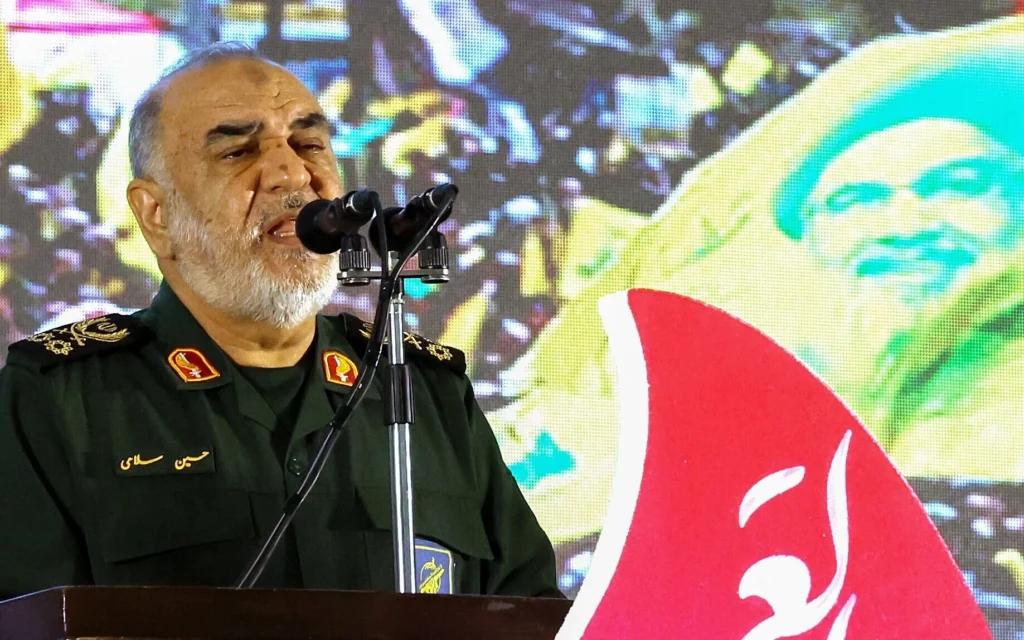
The IDF reported intercepting several rockets; Lebanese authorities confirmed strikes near the border but denied involvement by state forces; the incident raises questions about non-state actor activity and the stability of the post-conflict border environment.
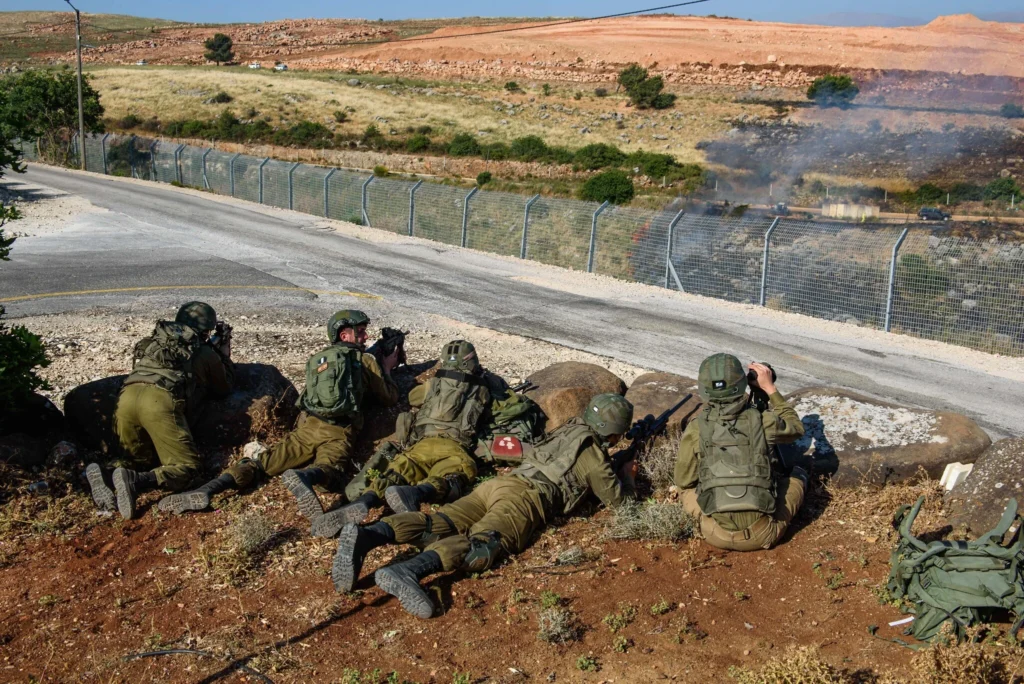
ISRAEL · LEBANON · IDF · ROCKET INTERCEPTION · BORDER SECURITY
The Israeli Defense Forces reported intercepting several projectiles fired from Lebanese territory on Thursday, with Lebanese authorities confirming that strikes occurred near the border area but denying that Lebanese state forces were responsible for the projectile launches; Reuters, the Associated Press, and the BBC all confirmed. The incident is significant in the context of the post-Iran-conflict regional environment because it represents projectile fire from Lebanese territory during a period in which the broader Iran-linked threat arc has been active through other modalities — the IRGC cyberattack in France, the Iranian threat to Bessent, and the continuing Abu Dhabi diplomatic process. The source of the projectiles — whether Hezbollah, a smaller militia group, Palestinian factions operating in Lebanon, or unknown actors — was not established in Thursday reporting.
Reuters provided detail on the IDF interception account. The Iron Dome or David Sling intercept system — the specific layer activated was not confirmed in Thursday reporting — engaged the incoming projectiles and is described as having successfully intercepted them before impact. The IDF statement confirmed both the projectile launch from Lebanese territory and the successful interception, without attributing the launch to a specific actor or announcing any retaliatory action as of Thursday reporting. The absence of an immediate retaliation announcement is analytically significant: Israeli doctrine typically involves rapid response to rocket fire, and the absence of a retaliation statement could indicate either that Israel is assessing attribution before responding or that the response has occurred outside the reporting window.
The Lebanese Authority Denial
The Associated Press reported the Lebanese official response to the IDF interception report. Lebanese authorities confirmed that there had been military activity in the border area but explicitly denied that Lebanese Armed Forces were responsible for any projectile launches directed at Israel. The Lebanese Armed Forces’ denial is consistent with the standard Lebanese government position that it does not sanction attacks on Israel from Lebanese territory, while acknowledging that the Lebanese state does not control all armed actors operating within its borders. The specific actors the Lebanese government implicitly pointed to — by denying state forces responsibility — are the range of non-state armed groups, including Hezbollah, Palestinian factions, and smaller militia formations, that operate in southern Lebanon outside Lebanese Armed Forces command.
BBC provided context on the significance of projectile fire from Lebanon in the current regional environment. The post-October 7 period produced a sustained Hezbollah-Israel exchange along the northern border that ended with Israeli operations in Lebanon and a subsequent ceasefire and withdrawal arrangement. The Thursday incident occurs in the context of that still-fragile post-operation arrangement, and projectile fire from Lebanon — whatever its source — tests the durability of the security understanding reached at the conclusion of the Lebanon operation. BBC noted that Israeli officials have consistently stated that any projectile fire from Lebanese territory will be treated as a threat requiring response, regardless of whether the Lebanese state is directly responsible.
“We intercepted incoming threats from Lebanese territory. We hold Lebanese territory responsible for what is launched from it. That position has not changed.” — IDF statement cited by Reuters
The Attribution Question
Reuters noted the importance of attribution in the Thursday incident. The range of potential actors who could have launched projectiles from Lebanese territory includes Hezbollah — which retains significant rocket and missile inventory despite losses during the Lebanon operation — Palestinian factions operating in refugee camps and border areas, and smaller Iran-linked militia formations that operated during the broader conflict period and may not have demobilized fully. Each attribution produces different strategic implications: Hezbollah involvement would signal a resumption of the organized cross-border exchange that was most intense in the October 7 to Lebanon operation period, while a smaller faction or unknown actor would indicate a less coordinated threat that may be more manageable without triggering a broader escalation.
WHAT HAPPENS NEXT
► IDF to complete attribution assessment; potential retaliatory action against launch sites to be announced
► Lebanese government to investigate launch source; LAF to patrol border area for non-state actors
► UN peacekeeping force UNIFIL to file incident report under Security Council monitoring mandate
► Iran arc context to be assessed; whether Thursday incident connects to broader covert operations pattern
| CONFIDENCE: HIGH | Reuters, AP, and BBC all confirmed the IDF interception report and the Lebanese authority denial. Two independent state actor positions confirmed by three sources on a confirmed military incident. |
| Bias Check | ||
| Left-Lean | Center | Right-Lean |
| Incident framed as Israeli provocation of non-state response; occupation and displacement as root causes. | Reports IDF interception, Lebanese denial, attribution uncertainty, and regional context factually. | Incident framed as Iran-linked threat network testing Israeli red lines; firm response required. |
SOURCES
► Reuters — IDF interception report, IDF statement, attribution assessment context, November 12, 2026
► Associated Press — Lebanese authority denial, state forces disclaimer, non-state actor landscape
► BBC — Post-Lebanon operation ceasefire context, Israeli red line position, regional environment