The Port of New Orleans filed suit against the owners of a tanker vessel seeking approximately $1 million in damages related to a collision with a cruise ship on the Mississippi River; the lawsuit opens the civil liability dimension of the incident.
MARITIME LAW · NEW ORLEANS · PORT LAWSUIT · TANKER · MISSISSIPPI RIVER
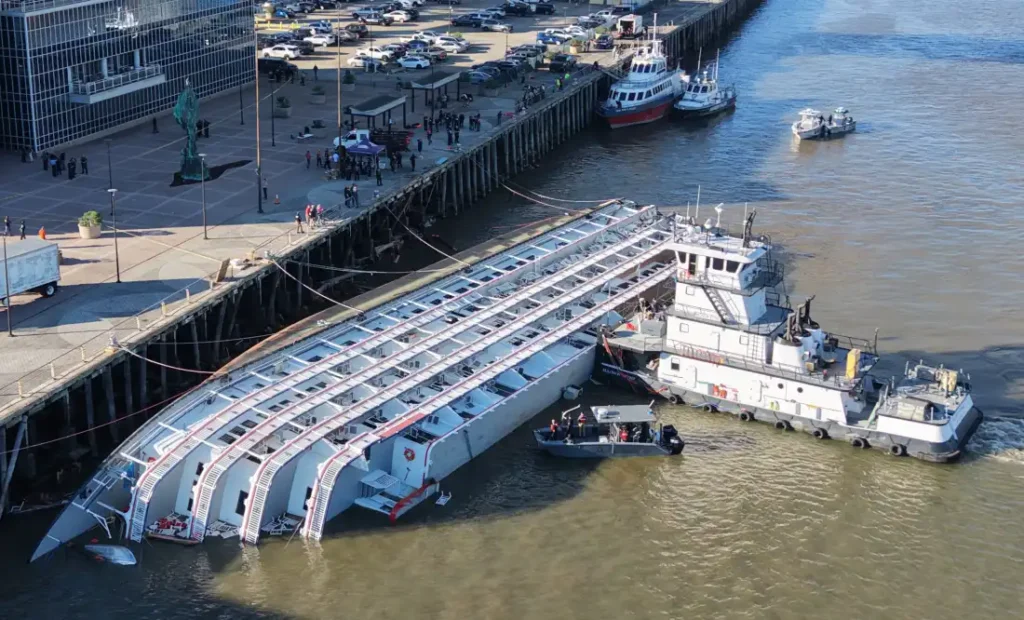
The Port of New Orleans filed a lawsuit against the owners of a tanker vessel seeking approximately $1 million in damages related to a collision between the tanker and a cruise ship on the Mississippi River, BBC and Fox Business both confirmed on Saturday. The lawsuit opens the civil liability dimension of a river collision that caused damage to both vessels and disrupted operations at one of the busiest commercial river ports in the United States. The specific details of the collision — when it occurred, the specific vessels involved, and the nature of the damage sustained — were described in general terms in the lawsuit filing, with the $1 million figure representing the port assessment of the damages attributable to the tanker vessel’s conduct during the collision.
BBC provided the most complete account of the Port of New Orleans context and the significance of the lawsuit. The Port of New Orleans is a major commercial hub at the mouth of the Mississippi River system — one of the most economically significant waterways in North America — handling a mix of cargo shipping, cruise ship operations, and river transport that makes it a complex operational environment. The Mississippi River channel through New Orleans is narrow relative to the size of the vessels that use it, and vessel traffic management on the river requires precise coordination between the vessels, the river pilots, and the port authority. A collision between a tanker and a cruise ship in this environment creates both the immediate physical damage that is the subject of the lawsuit and the broader safety concern about vessel traffic management in the port channel.
The Legal Dimension
Fox Business provided analysis of the maritime law dimension of the port lawsuit. Maritime collision liability is governed by a specialized body of international and domestic law that allocates fault between the vessels involved based on the navigational rules — the International Regulations for Preventing Collisions at Sea, known as COLREGS — that apply to vessel conduct. The determination of fault in a river collision involves assessing which vessel had the right of way under the applicable rules, whether either vessel was operating at an unsafe speed for the conditions, whether the lookouts on each vessel were performing their duties, and whether the river pilot (a licensed professional who takes control of vessels in the port channel) on either vessel made navigation errors. Fox Business noted that the $1 million demand by the port represents the port’s claim for its own damages and does not encompass the full range of claims that could arise from the collision.
BBC noted the cruise ship dimension of the collision and the passenger experience context. A collision between a tanker and a cruise ship on the Mississippi River — in the visible heart of one of America most recognizable port cities — creates a passenger experience event that goes beyond the physical damage: passengers on the cruise ship will have experienced the collision directly, and the reputational implications for the cruise line and for the port as a turnaround destination are part of the broader consequences of the incident. The specific cruise line involved and the vessel details were not confirmed in the available reporting.
“The Port of New Orleans has an obligation to protect its infrastructure and to hold responsible parties accountable when their conduct causes damage in our waterway.” — Port of New Orleans statement cited by BBC
The River Navigation Safety Context
Fox Business provided broader context on river navigation safety in the Mississippi River port channel. The Mississippi River approach to New Orleans is one of the most demanding navigation environments in North America: a winding, current-driven channel with significant commercial traffic, limited maneuvering room, and weather conditions that can change rapidly. The river pilot system — in which every commercial vessel transiting the port channel is required to take on a licensed Louisiana river pilot who has specialized knowledge of the channel — is designed to manage these risks, and the question of whether the river pilots on the vessels involved in the collision performed their duties correctly will be a central focus of the Coast Guard and maritime authority investigation.
WHAT HAPPENS NEXT
► Tanker owners to respond to lawsuit; defense to be filed; discovery process to begin
► Coast Guard maritime investigation to proceed; pilot conduct and navigation rules compliance to be assessed
► Full damage assessment to be completed; insurance claims to be processed by both vessel owners
► Port of New Orleans to review vessel traffic management procedures for the river channel
| CONFIDENCE: MODERATE | BBC and Fox Business confirmed the port lawsuit, the $1 million damages claim, and the tanker-cruise ship collision context. Two-source confirmation on a legal filing story with limited detail on the original collision event. |
| Bias Check | ||
| Left-Lean | Center | Right-Lean |
| Lawsuit framed as accountability for commercial operators who prioritize speed over safety on public waterways. | Reports lawsuit filing, damage amount, maritime law context, and river navigation safety factually. | Lawsuit framed as standard commercial dispute; resolution through maritime law is the appropriate process. |
SOURCES
► BBC — Port lawsuit confirmation, New Orleans port context, cruise ship passenger dimension, November 15, 2026
► Fox Business — Maritime law analysis, COLREGS liability framework, river pilot system, damage assessment