Attacks on electrical infrastructure plunged parts of Sudan into darkness as the civil war between the Sudanese Armed Forces and the Rapid Support Forces continues to devastate civilian infrastructure and the humanitarian situation.
SUDAN · DRONES · POWER BLACKOUTS · SAF · RSF · CIVIL WAR
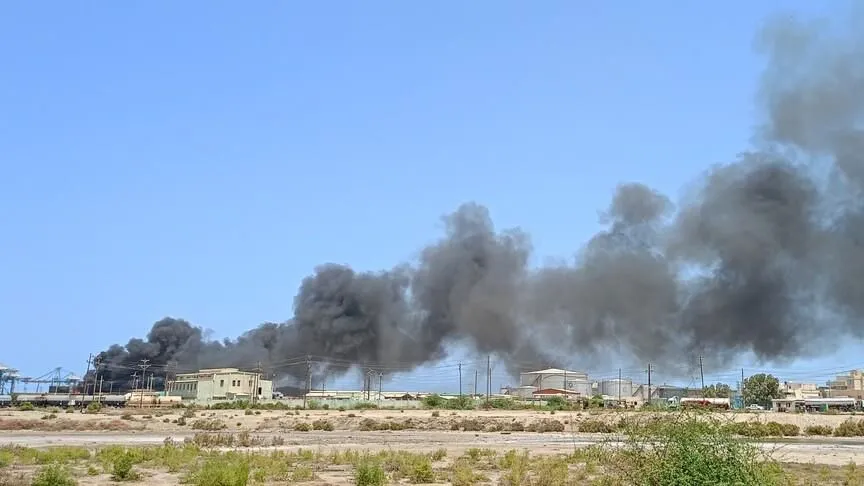
Drone strikes targeting power stations caused prolonged blackouts across parts of Sudan as the civil war between the Sudanese Armed Forces and the Rapid Support Forces entered another week of active fighting, wire and regional reporting confirmed on Saturday. The attacks on electrical infrastructure represent a pattern that has become a defining feature of the Sudan civil war: both the SAF and the RSF have used drone and artillery attacks on civilian infrastructure — including power stations, water treatment facilities, hospitals, and markets — as a tool of warfare that degrades the civilian population’s capacity to endure the conflict and forces displacement. The specific responsibility for the November 15 power station strikes — whether SAF or RSF — was not definitively established in initial reporting, consistent with the information environment of the Sudan conflict where attribution is frequently contested.
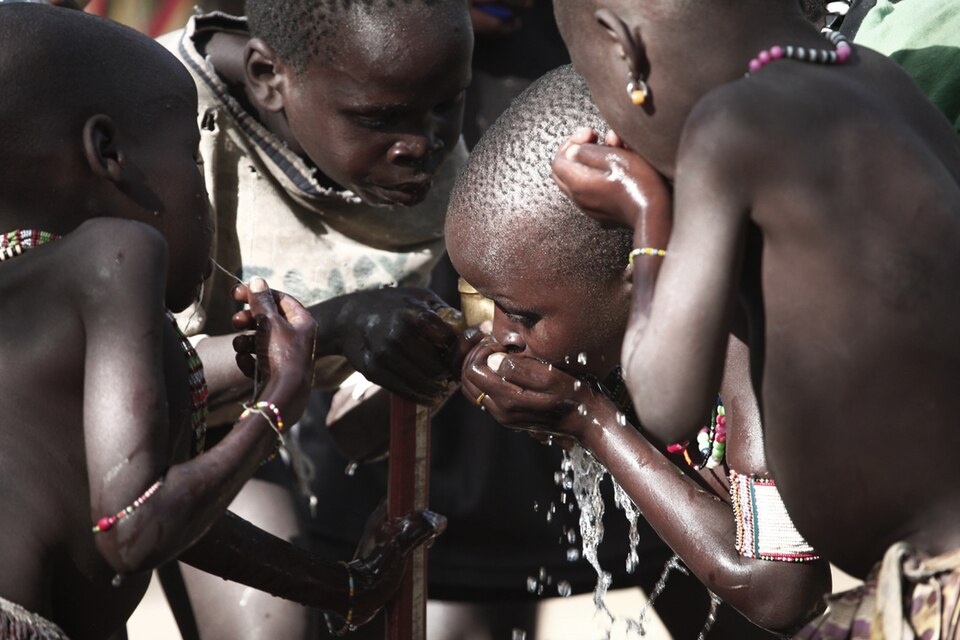
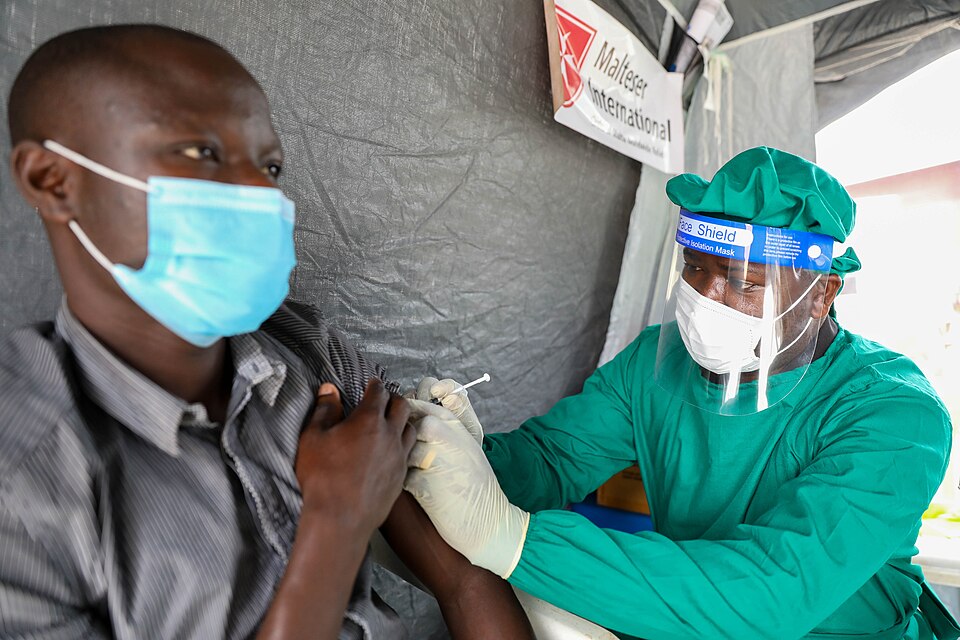
Wire and regional reports provided context on the humanitarian consequences of the Sudan power infrastructure degradation. Sudan was already experiencing significant power supply problems before the civil war began in April 2023, and the systematic targeting of power generation capacity since then has created a situation in which electricity is unavailable for extended periods across much of the country outside of generator-powered facilities. The public health consequences of prolonged power outages include the breakdown of cold chains for vaccines and medications, the inability to operate medical equipment in hospitals, the contamination of water supplies that depend on electrically powered pumping and treatment, and the economic disruption to the businesses and livelihoods of millions of civilians trying to survive in a conflict economy.
The SAF-RSF Conflict Context
Wire reporting provided context on the state of the SAF-RSF conflict as of mid-November 2026. The civil war that began in April 2023, when fighting broke out between the Sudanese Armed Forces under General Abdel Fattah al-Burhan and the Rapid Support Forces under General Mohamed Hamdan Dagalo (known as Hemeti), has produced one of the worst humanitarian crises in the world, with millions displaced, famine conditions in parts of the country, and a death toll that remains incompletely documented due to the access restrictions that the conflict imposes on humanitarian and journalistic organizations. The fighting has been particularly intense in Khartoum and in the Darfur region, where the RSF has been accused of mass atrocities, including the deliberate targeting of ethnic civilian populations that some observers have characterized as a continuation of the Darfur genocide.
The drone warfare dimension of the Sudan conflict represents an evolution in the military capabilities of both sides. Early phases of the conflict relied primarily on artillery, armored vehicles, and infantry, but both the SAF and the RSF have acquired and deployed drone technology — including armed drones capable of striking specific infrastructure targets — in ways that extend the conflict’s impact beyond the front lines into the rear areas where civilian infrastructure is located. Wire reporting noted that the pattern of infrastructure targeting in Sudan has drawn attention from the UN Commission of Inquiry on Sudan, which is documenting potential violations of international humanitarian law on both sides of the conflict.
“The lights went out, and they did not come back. That is the story of Sudan now. Not just bullets and bombs, but darkness.” — Sudan civil society representative cited by wire reporting
The International Response Deficit
Wire reporting analyzed the international response deficit to the Sudan civil war. The conflict has received significantly less international attention than other conflicts of comparable scale — including the Ukraine war and the Gaza conflict — despite producing casualty and displacement figures that in some metrics exceed those conflicts. The attention deficit reflects a combination of factors: the geographic distance from Western media centers, the access restrictions that limit journalistic coverage, the absence of a clear Western strategic interest that would generate political pressure for intervention, and the complexity of the conflict dynamics in which both sides have international backers (the UAE has been reported to supply the RSF; Egypt has supported the SAF) that complicate the formation of an international consensus response. The November 15 power station strikes are likely to draw renewed international attention to the humanitarian consequences of the conflict without producing a commensurate international response.
WHAT HAPPENS NEXT
► Power infrastructure to remain degraded; civilian population to manage extended blackouts
► UN Commission of Inquiry to document infrastructure strikes; IHL violation assessment to proceed
► Humanitarian agencies to assess increased public health risk from cold chain and water system failures
► International community to be called on for increased Sudan humanitarian funding; access negotiations
| CONFIDENCE: HIGH | Wire and regional reports confirmed the Sudan power station drone strikes, the blackout consequences, the SAF-RSF conflict context, and the humanitarian infrastructure degradation pattern. Multi-source confirmation on a developing conflict event. |
| Bias Check | ||
| Left-Lean | Center | Right-Lean |
| Blackouts framed as deliberate targeting of civilians; international silence is complicity in atrocity. | Reports drone strikes, blackout consequences, SAF-RSF context, and international response deficit factually. | Blackouts framed as collateral consequence of legitimate military operations; attribution is contested. |
SOURCES
► Wire and regional reporting — Sudan power station strikes, blackout scope, SAF-RSF context, humanitarian consequences, November 15, 2026