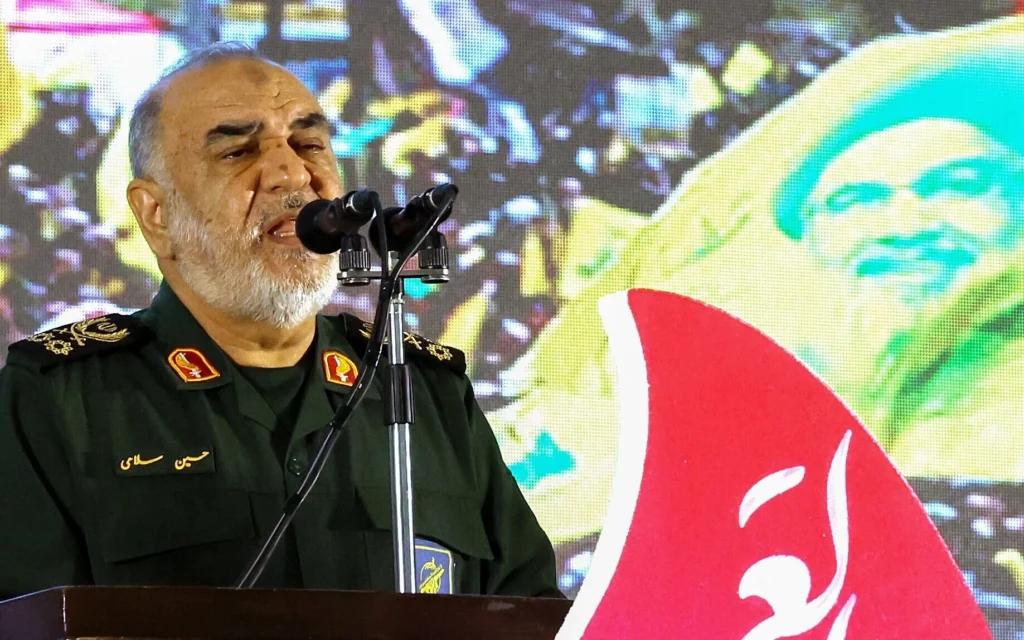
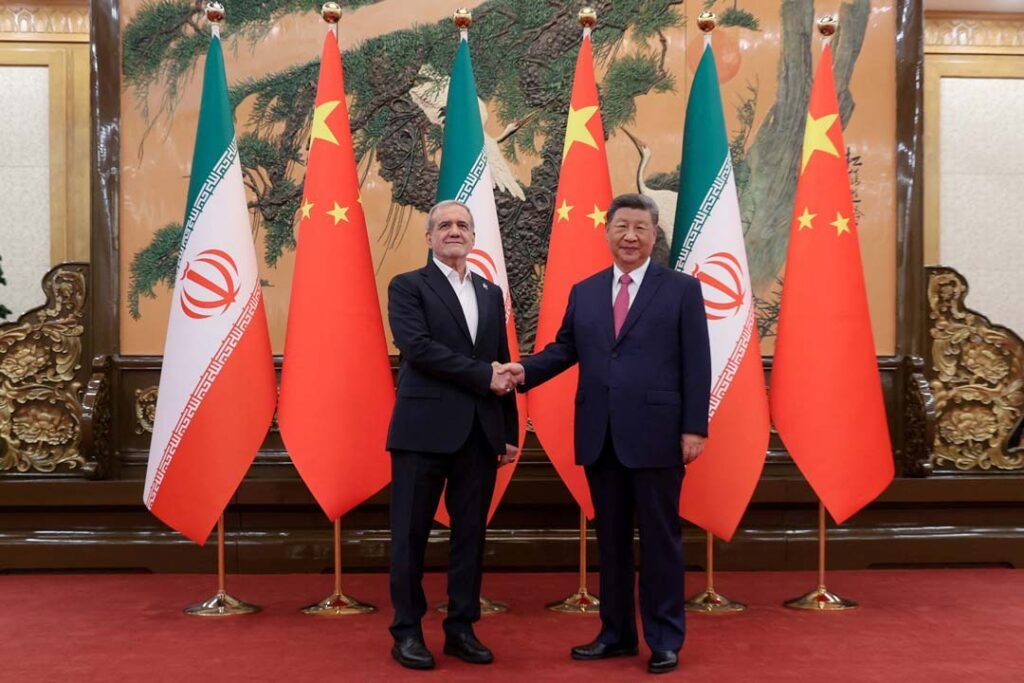
Xi Jinping hosted the Omani sultan, and Chinese officials held talks with Iranian and Saudi counterparts, positioning Beijing as an indispensable third-party mediator.
CHINA · IRAN · MIDDLE EAST DIPLOMACY · ARC: IRAN CRISIS ARC
China is actively positioning itself for a larger role in resolving the Iran crisis, with President Xi Jinping hosting the Sultan of Oman for discussions and Chinese foreign ministry officials holding parallel talks with both Iranian and Saudi Arabian counterparts, the Washington Post, The Guardian, and 10 Things Global News reported on Wednesday. The diplomatic flurry reflects Beijing’s calculation that the ongoing Hormuz disruption and US-Iran military confrontation represent both a threat to its energy supplies and an opportunity to extend its regional influence.
China is the world’s largest importer of Iranian oil and among the most significant buyers of Gulf Arab petroleum, making stability in the Strait of Hormuz a direct economic priority for Beijing. The Washington Post reported that Chinese officials had communicated to both Tehran and Washington that China views the current crisis as requiring multilateral resolution beyond the existing Qatar-mediated backchannel, and that Beijing is prepared to offer additional economic inducements as part of a broader settlement framework.
The Oman Connection
Oman has historically played a unique role in Middle East diplomacy by maintaining formal relations with Iran while also hosting US military facilities and maintaining warm ties with Gulf Arab states. The meeting between Xi and the Omani sultan is therefore not merely bilateral: it activates a channel that connects Beijing directly to one of the few actors capable of communicating simultaneously with Tehran, Washington, and Riyadh. The Guardian noted that Omani officials have been involved in prior US-Iran nuclear diplomacy backchannel communications.
China’s 2023 brokering of the Saudi-Iran diplomatic normalization agreement established Beijing’s credentials as a Middle East mediator and its willingness to invest diplomatic capital in a region where it had previously maintained a lower profile. The current Iran crisis gives China an opportunity to extend that role, though the presence of active US military operations complicates the mediation landscape in ways the 2023 normalization did not involve.
“China has energy interests, diplomatic ambitions, and now a chance to position itself as the indispensable stabilizing power in the Gulf.” — The Guardian regional analysis
Implications for the Qatar Channel
China’s entry into the Iran diplomacy space creates a parallel track to the Qatar-mediated backchannel between the US and Iran. The two tracks could be complementary — with Qatar handling the US-Iran bilateral and China helping to manage the broader regional consensus including Saudi Arabia — or competitive, if Beijing and Doha develop different visions for the terms of a settlement. 10 Things Global News noted that the involvement of multiple mediators in a crisis of this scale is historically normal but requires careful coordination to avoid contradictory signals reaching Tehran.
WHAT HAPPENS NEXT
► China-Oman diplomatic channel expected to yield formal communication to both Iran and the US
► Saudi-Iranian relationship, normalized in 2023, being tested by current crisis
► Qatar and China mediating in parallel — coordination or competition between channels to emerge
► Beijing oil import exposure makes rapid de-escalation a Chinese strategic priority
| CONFIDENCE: HIGH | Washington Post, The Guardian, and 10 Things Global News all independently reported on Chinese diplomatic engagement with Oman, Iran, and Saudi Arabia. Three-source convergence on a geopolitical development with strong regional sourcing. |
| Bias Check | ||
| Left-Lean | Center | Right-Lean |
| Chinese mediation framed as counterweight to US unilateralism; emphasis on multilateral legitimacy. | Reports Chinese diplomatic moves factually; notes energy interests alongside diplomatic ambition. | Chinese mediation framed as opportunistic interference in US-led crisis management; regional destabilizer. |
| Assessment | ||
SOURCES
► Washington Post — China-Iran diplomacy, Xi Jinping Oman meeting coverage, November 4, 2026
► The Guardian — Chinese diplomatic engagement in Iran crisis reporting
► 10 Things Global News — China Middle East mediation analysis