One tanker struck a mine; the incidents involved vessels the IRGC said were using unauthorized routes as Iran escalates pressure on shipping in the strait.
IRAN · HORMUZ · ARC: NOV 4 GUERRILLA TACTICS + NOV 3 REOPENING OFFER
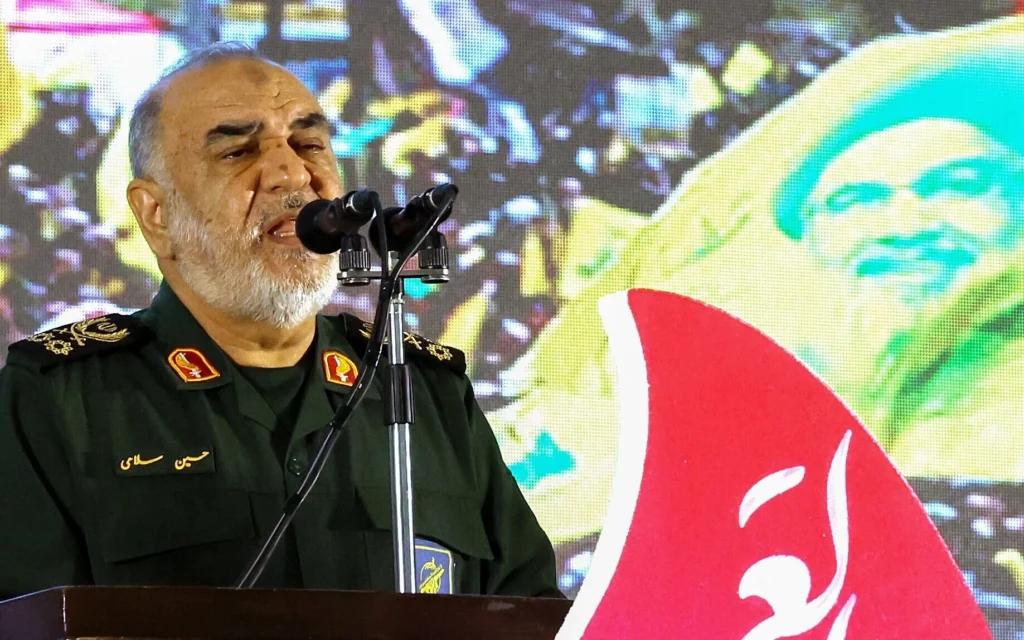
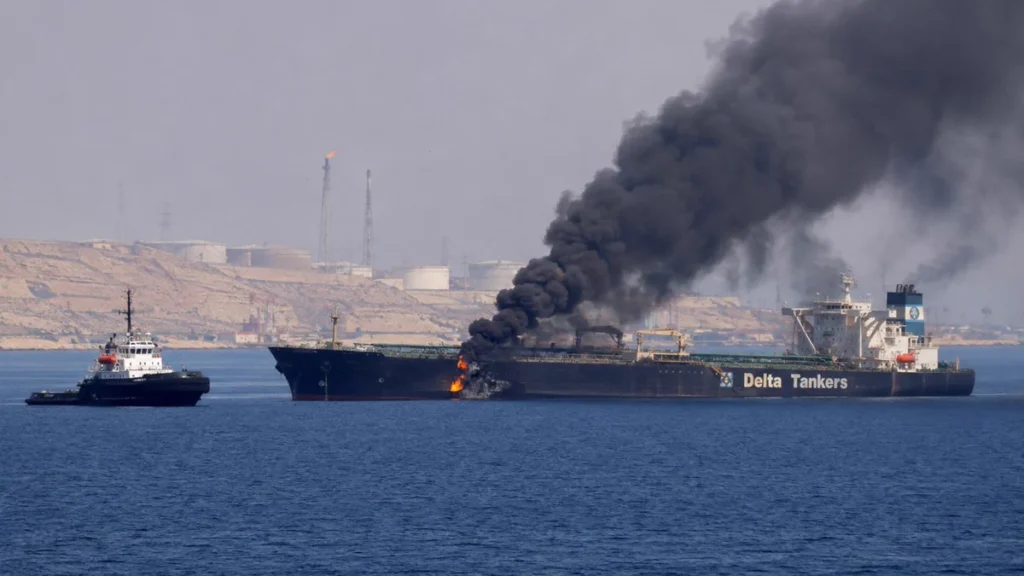
The Islamic Revolutionary Guard Corps announced that two oil tankers and a tugboat caught fire in the Strait of Hormuz, with one tanker striking a mine, Reuters and Just Security reported on Thursday. The IRGC statement characterized the vessels as having been operating on unauthorized routes, framing the incidents as a consequence of non-compliance with Iranian navigation directives rather than as offensive Iranian actions. Western maritime authorities and the US Navy were monitoring the situation as of the time of publication.
The incidents represent a significant escalation from the guerrilla harassment tactics described in November 4 Section B article b14. Mine deployment or mine presence in the strait — if confirmed as the cause of the tanker strike — would constitute a qualitative shift in the operational environment for commercial shipping. Prior IRGC operations in the Hormuz corridor have involved speedboat harassment, signal jamming, and boarding threats; the involvement of a mine, even a floating or legacy ordnance, introduces a risk category that affects all vessels transiting the strait regardless of route.
The Mine Question
Reuters reported that the specific origin of the mine that struck the tanker was not immediately confirmed by US or allied naval authorities. Mines in the Strait of Hormuz could originate from several sources: Iranian military deployment, legacy ordnance from prior conflicts in the region, or third-party placement. The IRGC statement attributing the fire to an “unauthorized route” operation implies Iranian awareness of hazards in specific corridors, which maritime security analysts cited by Just Security said was consistent with Iranian defensive mining of channels outside designated transit lanes.
The practical effect on shipping is immediate: maritime insurance underwriters were expected to reassess Hormuz transit risk within hours of the reports, and several major tanker operators were confirming to news services that they were holding vessels outside the strait pending assessment. The energy market implications are substantial given that approximately 20 percent of global oil trade transits the strait under normal conditions.
“Two tankers and a tugboat in flames. One hit a mine. The strait is no longer a harassment zone — it is an active hazard.” — Maritime security analyst quoted by Reuters
Arc Continuity: Hormuz Since November 2
The Hormuz arc now spans five consecutive ONYX News editions. November 2: initial US strikes on Qeshm Island. November 3: Iran offers conditional 48-hour reopening. November 3-4: guerrilla tactics replace formal closure. November 4: Iran billboard threatening Trump; China enters diplomacy. November 5: tanker fires and mine strike. The arc is accelerating toward a point of forced resolution — either a negotiated corridor arrangement or further military escalation. The Schumer statement (article a07) and Vance break (article a01) indicate the domestic political pressure for de-escalation is intensifying simultaneously.
WHAT HAPPENS NEXT
► US Navy Fifth Fleet to issue operational guidance on Hormuz transit safety
► Maritime insurance rates for Hormuz transits to spike on tanker fire and mine reports
► Tanker operators holding vessels pending assessment of mine risk scope
► Qatar mediation channel under acute pressure to produce corridor agreement
| CONFIDENCE: HIGH | Reuters and Just Security both reported on the tanker fires and mine strike, with sourcing to an IRGC statement and maritime monitoring. Reuters is the definitive wire service for Gulf shipping incidents. Two-source convergence on a rapidly developing story. |
| Bias Check | ||
| Left-Lean | Center | Right-Lean |
| Iran framed as aggressor conducting mining warfare against civilian shipping. | Reports IRGC statement and tanker fires factually; notes maritime security implications and mine risk. | IRGC framed as defending Iranian waters from vessels violating navigation directives. |
| Assessment | ||
SOURCES
► Reuters — IRGC tanker fires and tugboat incident, Strait of Hormuz, November 5, 2026
► Just Security — Hormuz tanker fire maritime security analysis, mine strike reporting