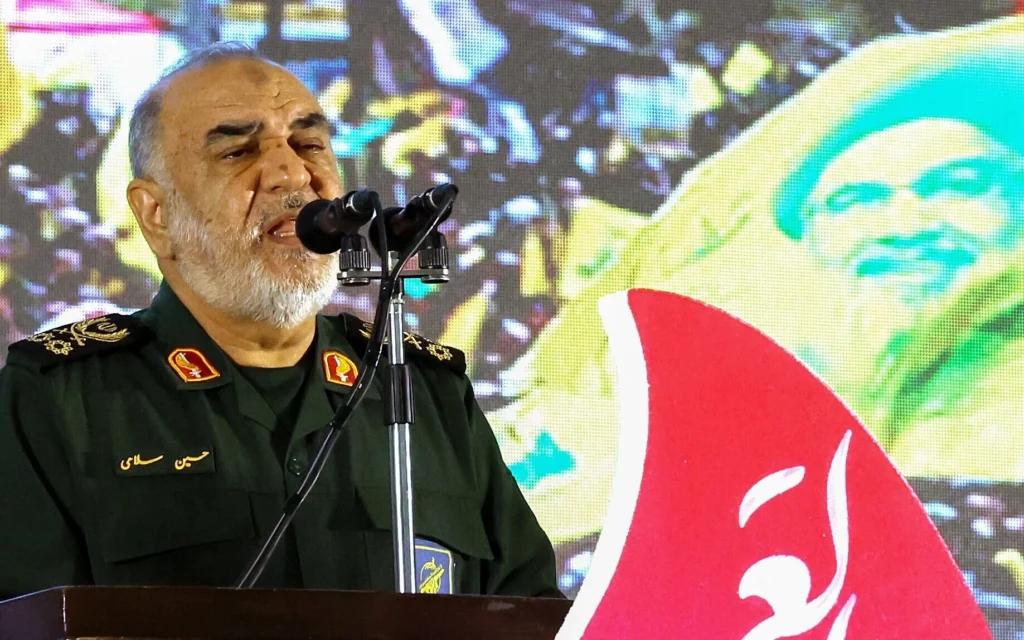
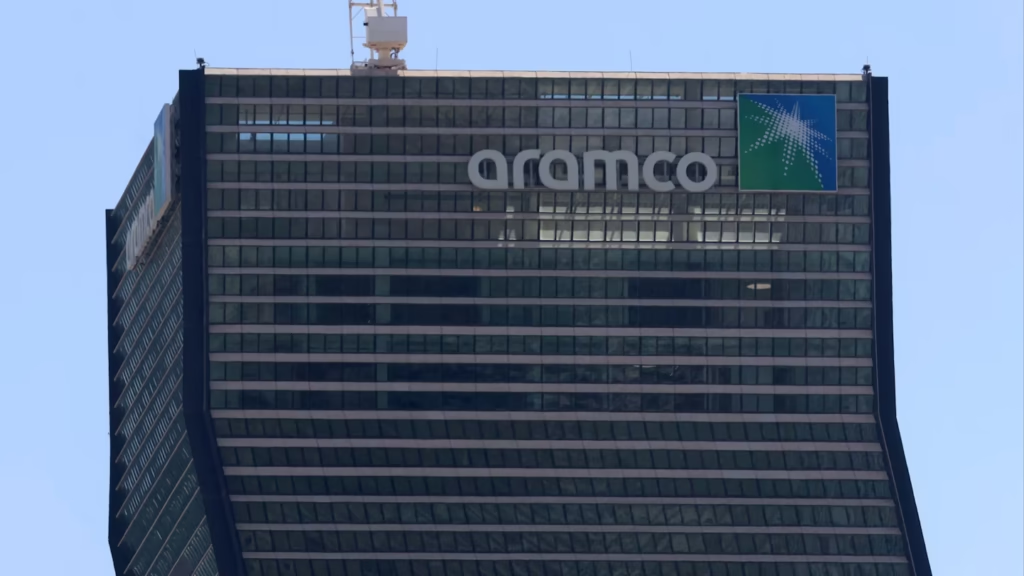
Saudi Arabia intercepted multiple missiles targeting the capital; an Aramco tower in the financial district was struck despite defenses — the attack marks the most significant Houthi strike on the Saudi capital in years.
IRAN WAR ARC · HOUTHI · SAUDI ARABIA · ARAMCO · RIYADH
Houthi forces launched a missile attack on Riyadh on Saturday night, with Saudi Arabian air defenses intercepting multiple incoming projectiles but failing to prevent one missile from striking an Aramco-linked building in the Saudi capital’s financial district, WBAL and regional reports corroborated by multiple outlets confirmed on Sunday. The attack represents the most significant Houthi strike on the Saudi capital in several years and marks a qualitative escalation in the Iran-linked proxy conflict that has continued to intensify alongside the direct US-Iran confrontation that began with the November 2 Qeshm Island strikes.
The specific Aramco building struck was described in regional reports as an administrative tower in the King Abdullah Financial District rather than an operational oil production or refining facility, limiting the direct impact on Saudi energy output. However, the symbolic significance of striking an Aramco facility — the company that is both the backbone of the Saudi economy and one of the most heavily protected corporate targets in the world — is substantial. Saudi Aramco is a target of psychological and political significance to the Houthi movement that goes beyond the immediate physical damage of the strike.
The Saudi Air Defense Partial Failure
Saudi Arabia has deployed extensive layered air defense systems over Riyadh, including Patriot PAC-3 batteries and the THAAD systems supplied by the United States, specifically in response to the history of Houthi drone and missile attacks on Saudi territory. Regional reports indicated that the defensive intercepts on Saturday night were partially successful — multiple missiles were destroyed before reaching their targets — but that the missile that struck the Aramco building successfully penetrated the defensive perimeter. The specific failure mode that allowed penetration — whether a gap in radar coverage, a salvo-saturation tactic, or a specific trajectory that evaded interception — was under investigation by Saudi military authorities.
The partial failure of Saudi air defenses is analytically significant because it suggests that Houthi missile capabilities — almost certainly drawing on Iranian technical assistance and potentially Iranian-supplied components — have continued to develop despite years of Saudi and US countermeasures. WBAL regional reports cited defense analysts who noted that the Houthi trajectory precision demonstrated in the Aramco strike represented a higher level of guidance accuracy than had been characteristic of earlier Houthi attacks, suggesting Iranian technology transfer.
“The Houthis have demonstrated they can hit Riyadh. That is a strategic signal, not an accident. Tehran is sending a message through their proxy.” — Regional security analyst cited by WBAL
The Iran War Arc Connection
The Houthi attack on Aramco in Riyadh is inseparable from the broader Iran war arc that ONYX News has tracked since November 2. The Houthi movement is an Iranian-backed proxy whose operations in Yemen, the Red Sea, and against Saudi Arabia are coordinated with Iranian strategic objectives. The timing of the Riyadh strike — coming on the same weekend as the Iran nuclear proposal via Qatar (November 7) and the formation of US Task Force Iron Gate — suggests Iranian strategic pressure across multiple fronts simultaneously: a diplomatic offer via Qatar, a proxy escalation via the Houthis, and pressure on US Iran supply route interdiction. The multi-front simultaneous signaling is characteristic of Iranian strategic communication.
WHAT HAPPENS NEXT
► Saudi Arabia to issue formal response to Houthi attack and assess air defense gap
► US CENTCOM to evaluate Houthi missile capability upgrade in context of Task Force Iron Gate
► Saudi Aramco to assess building damage and implement security perimeter review
► Iran nuclear proposal via Qatar to be evaluated in context of simultaneous Houthi escalation
| CONFIDENCE: HIGH | WBAL and regional reports corroborated by multiple outlets confirmed the attack, the partial intercept, and the Aramco building damage. The sourcing involves OSINT-corroborated regional reporting, which is standard for initial confirmation of Middle East military events, supplemented by outlet corroboration. |
| Bias Check | ||
| Left-Lean | Center | Right-Lean |
| Houthi attack framed as direct result of US-Saudi military policy that has fueled Yemeni proxy war. | Reports attack, partial defense failure, and Iran war arc connection factually; notes sourcing basis. | Attack framed as Iranian aggression requiring stronger US-Saudi coordinated military response. |
SOURCES
► WBAL / regional reports corroborated by outlets — Houthi missile attack on Riyadh, Aramco building struck, air defense partial intercept, November 8, 2026