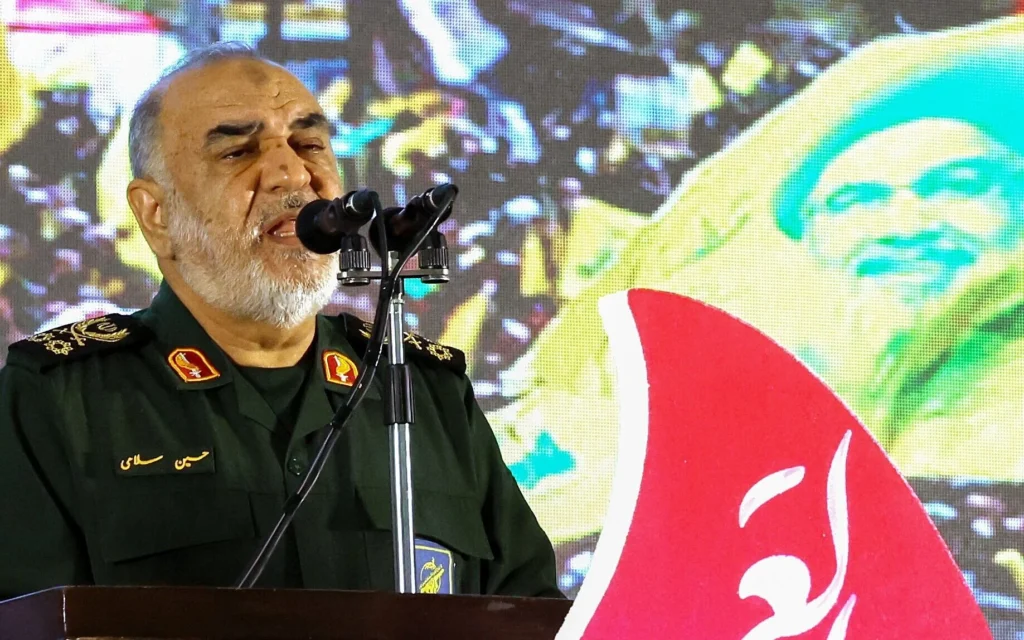
Qatar, the UAE, Turkey, and Pakistan — none of which are formal combatants in the US-Iran war — made collective urgent diplomatic interventions Saturday to prevent the planned bombing campaign. Their unified action tells you more about the expected consequences of the strike than any military assessment: four countries with very different politics, relationships, and interests all concluded the same thing, urgently enough to act on it simultaneously.
WHAT EACH COUNTRY STANDS TO LOSE
| WHAT THEY HAVE | WHAT THEY’D LOSE IN AN EXPANDED WAR |
| Qatar: Largest LNG exporter per capita; Al Udeid Air Base; Hamas mediator role | LNG shipping through Hormuz disrupted; base at risk from Iranian retaliation; mediation role eliminated |
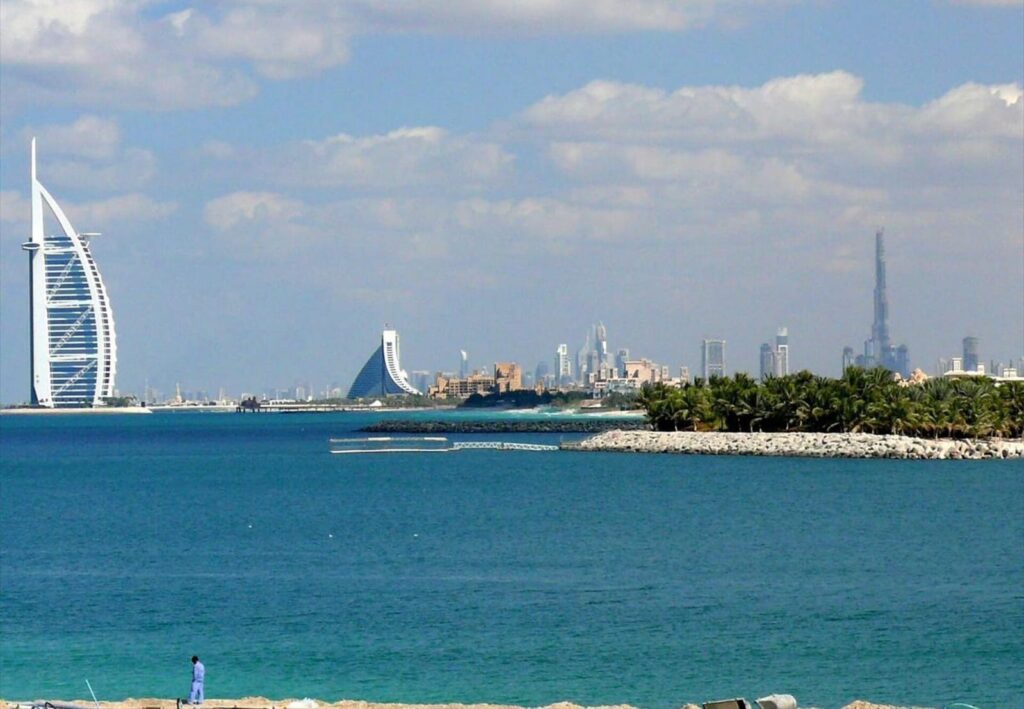
| UAE: Dubai as global finance/logistics hub; Abu Dhabi oil revenues; diversified economy | Dubai financial center closes under wartime conditions; oil revenues threatened; Iranian missiles in range |
| Turkey: NATO membership; trade with Iran ($10B+ annually); Erdoğan geopolitical stature | Economic disruption; refugee flows from regional instability; US-Turkey tensions if Turkey perceived as not supporting NATO objectives |
| Pakistan: Iranian border; Afghan fragility; own energy imports from Iran | Regional spillover into already unstable frontier; energy supply disruption; potential Iran-India dynamic affecting Pakistan |
THE COLLECTIVE MESSAGE
Four countries with different interests, different political systems, and different relationships with both the US and Iran concluded simultaneously that a major strike on Iranian energy infrastructure would damage them. That collective assessment is not coincidental — it reflects a shared reading of the regional risk landscape that is more granular and more credible than abstract strategic analysis.
For the US, the lesson is structural: any major Iran military operation must be politically sustainable not just domestically and with Israel, but with the coalition of Gulf and regional states whose cooperation US military access and energy market stability require. The five-country intervention Saturday demonstrated that this coalition has a practical veto over major escalation — not a legal one, but a practical one.
WHAT HAPPENS NEXT
▸ These five countries will remain actively engaged — their stake in avoiding expanded conflict doesn’t end with one stand-down
▸ Qatar and Turkey will likely serve as intermediaries in any formal negotiation track — watch for them to announce or facilitate the next round of talks
▸ The UAE’s economic modeling of Iranian retaliation risk is likely more sophisticated than any public analysis — their private assessments will drive Gulf investment decisions
▸ Pakistan’s intervention signals potential for South Asian diplomatic engagement — a rare channel worth watching
| CONFIDENCE: HIGH | Five-country lobbying is confirmed by Axios. Each country’s specific economic stake is established fact. Analysis of practical veto power is ONYX editorial, clearly labeled. |
| ⚖️ BIAS CHECK — WHO IS SAYING WHAT | |
| Qatar | Qatar plays a unique role: it hosts the US military base AND the Hamas political bureau AND is an LNG exporter dependent on Hormuz — it has the most complex stake of all five |
| UAE | Abu Dhabi sovereign wealth fund exposure to regional conflict is substantial; they have been among the most active behind-the-scenes Gulf actors throughout this conflict |
| Turkey | Erdoğan is using his de-escalation role to build diplomatic stature; this is both genuine concern and strategic opportunity for Turkey |
| Pakistan | Pakistan’s intervention is the most surprising of the five — the depth of their concern signals the regional destabilization risk was assessed as more severe than their public posture suggests |
SOURCES
▸ Axios — Qatar, UAE, Turkey, Pakistan lobbying confirmation, August 2026
▸ Qatar LNG export and Al Udeid base documentation — established facts
▸ Turkey-Iran trade figures — established bilateral economic data
▸ Pakistan-Iran border and energy trade — established geographic and economic facts