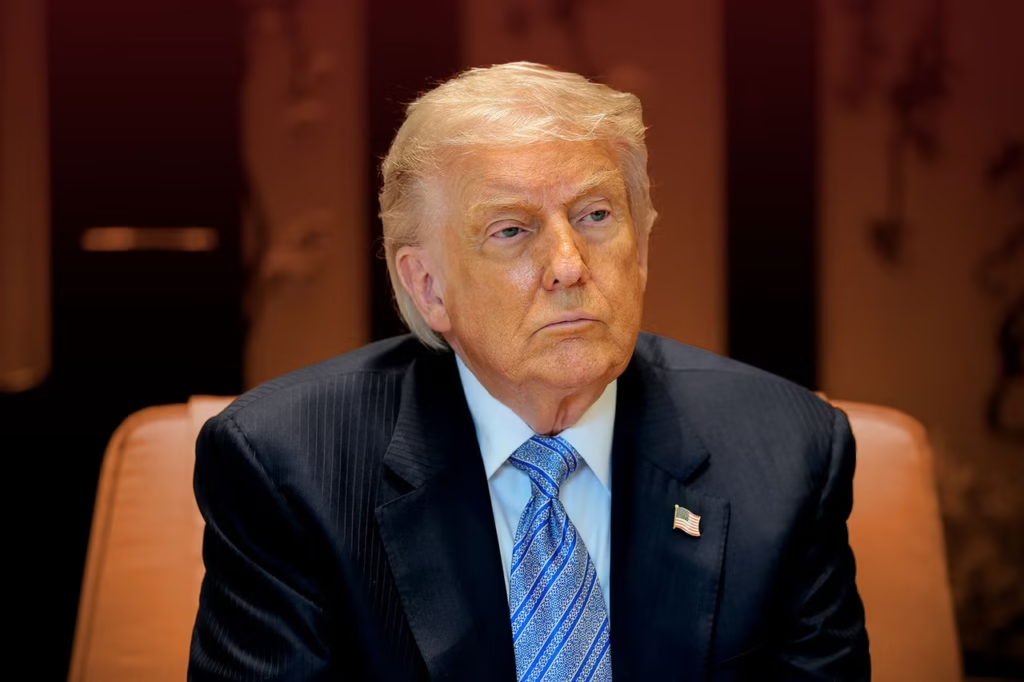
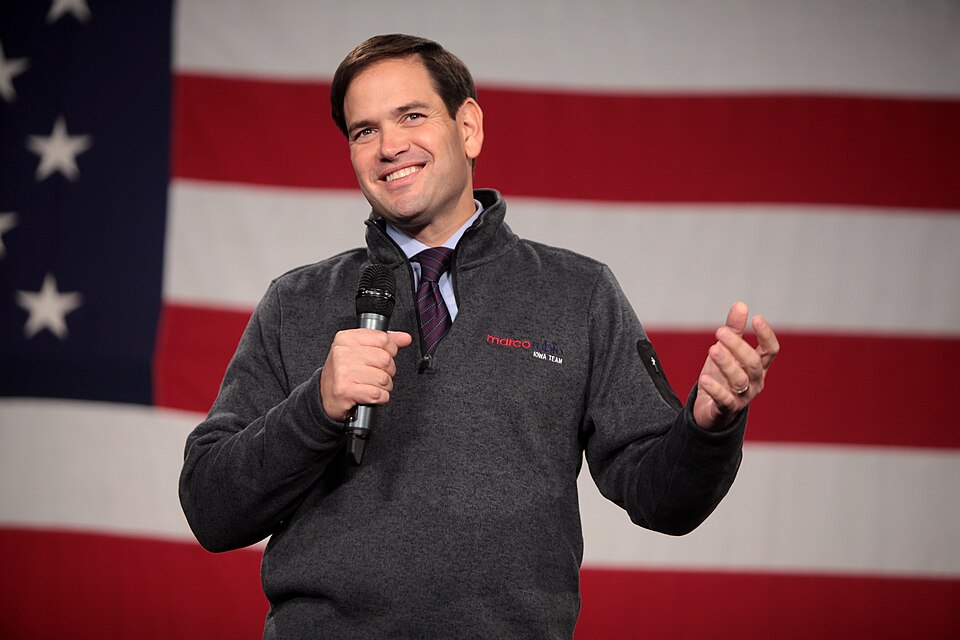
Secretary of State Marco Rubio stated earlier this year that Iran’s civilian negotiators often lack full visibility into what the IRGC — Iran’s most powerful military-political faction — actually controls and what it would accept. Fox News reporting suggests this dynamic is precisely what complicates Trump’s current backchannel claims: it remains genuinely unclear which Iranian officials, if any, actually hold the authority to make the concessions Washington says it is negotiating for.
WHY RUBIO’S WARNING MATTERS NOW
The Iran diplomatic authority problem is one of the most structurally important factors in any US-Iran negotiation. The Iranian government’s decision-making structure involves at minimum: the Supreme Leader (Khamenei), who holds ultimate authority on major strategic decisions; the IRGC, which controls nuclear and missile programs independently of the Foreign Ministry; the Foreign Ministry (Araghchi’s domain), which conducts formal diplomatic communications; and the elected President, who manages economic and some political matters.
Rubio’s specific warning: civilian negotiators — meaning the Foreign Ministry officials who conduct diplomacy, like Araghchi — may agree to terms that the IRGC does not honor, because the IRGC controls the specific nuclear and military programs being negotiated. An agreement reached with the Foreign Ministry is not automatically binding on the IRGC.
HOW THIS EXPLAINS THE IRGC BACKCHANNEL STORY
If Rubio’s warning is accurate, Trump’s stated desire to reach the IRGC directly — to bypass the Foreign Ministry and negotiate with the faction that actually controls what is being discussed — is a strategically coherent instinct, even if the specific Monday claim and Wednesday reversal created a credibility problem. Talking to the Foreign Ministry is talking to a party that may not have full authority over the nuclear program. Talking to the IRGC would be talking to the party that does.
The specific diplomatic problem: the IRGC will not publicly acknowledge contact with the US. Any direct US-IRGC communication must be fully deniable on the Iranian side. Trump’s Monday announcement that he was ‘speaking directly with IRGC officials’ — if there was any basis for that claim — would have immediately ended any such contact by making it publicly acknowledged and therefore politically impossible for the IRGC to continue.
Trump said he was talking to the IRGC. The IRGC said he was having nightmares. If they were talking, that announcement ended the conversation.
THE AUTHORITY GAP AS A STRUCTURAL OBSTACLE
The Muscat nuclear dialogue has been conducted with Araghchi, a Foreign Ministry official. If Rubio’s authority-gap warning is accurate, any agreement Araghchi reaches in the nuclear dialogue requires IRGC ratification to be implementable. This is the specific structural obstacle that has complicated every US-Iran nuclear negotiation since the JCPOA — and the specific reason Trump’s instinct to reach the IRGC directly, whatever its practical difficulties, has strategic logic.
| CONFIDENCE: HIGH | Rubio authority-gap warning (IRGC vs. civilian negotiators) is from Fox News confirmed reporting (earlier this year). Iran’s governmental structure (Supreme Leader, IRGC, Foreign Ministry) is from established political science documentation. Analysis connecting Rubio’s warning to Trump’s IRGC claim is ONYX editorial. |
SOURCES
▸ Fox News — Rubio Iran civilian negotiator authority warning (earlier 2026)
▸ Established political science — Iran governmental structure