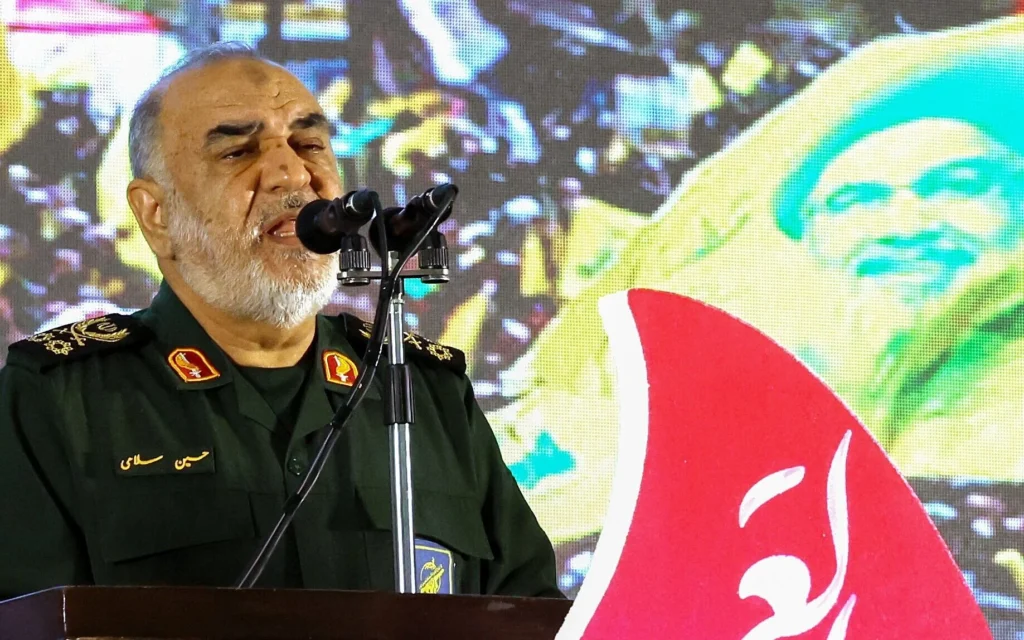
Iran’s government, via Middle East Monitor, says the 60-day memorandum deadline ‘lost its relevance’ because of what Tehran characterizes as US violations of the original agreement. The specific claim is two-part: (a) the US violated the agreement; (b) because of those violations, the timeline no longer applies.
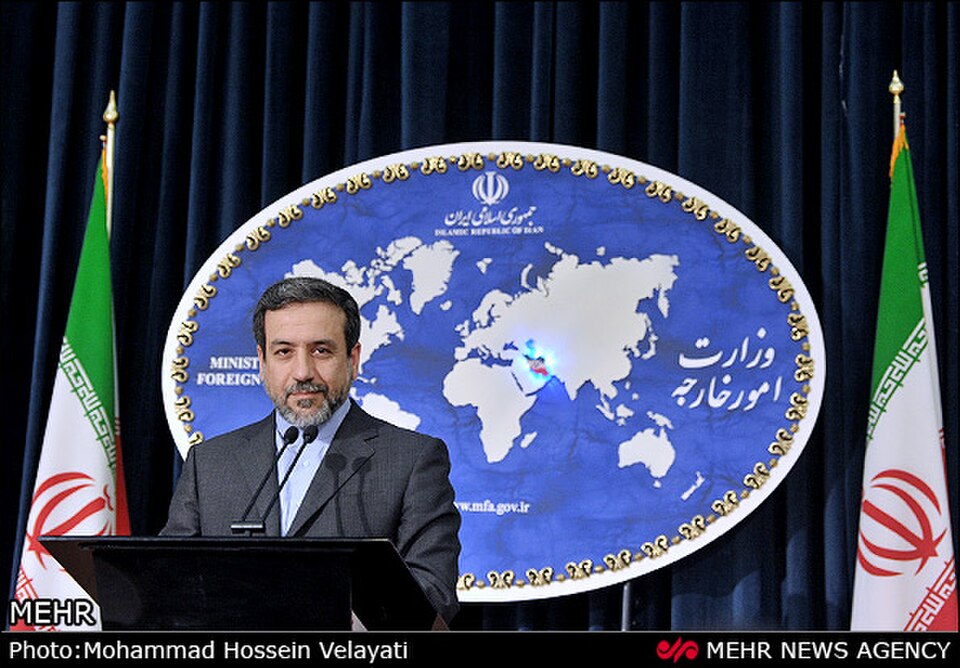
ONYX assesses each part separately:
▸ US violations of the agreement: Iran has characterized multiple US actions as violations throughout the ceasefire period — the naval blockade modification terms, the Bessent ‘unprecedented measures’ announcement, and Trump’s ‘total control’ rhetoric. Whether these constitute material violations of the deal’s specific terms is not confirmed in available reporting. Iran has incentive to characterize US actions as violations for domestic political purposes regardless of their actual treaty status.
▸ Timeline lost relevance: the 60-day framework is a specific deal term agreed by both parties. One party declaring it irrelevant due to the other’s alleged violations is not the same as the framework actually being dissolved. The October 6 date remains the established expiration.
WHY IRAN MAKES THIS CLAIM
The ‘lost relevance’ claim serves Iran’s negotiating position in specific ways:
▸ It removes the October 6 deadline as a constraint on Iranian action — if the timeline has ‘lost relevance,’ Iran is not committed to maintaining the Hormuz opening through that date
▸ It shifts responsibility for any ceasefire deterioration to US ‘violations’ rather than Iranian action
▸ It gives Iran rhetorical cover to begin reimposing Hormuz restrictions before October 6 without formally ‘violating’ a deal it has declared irrelevant
▸ It is consistent with the pattern ONYX has documented since August 7: Iran has never publicly acknowledged the August 7 deal on US terms; the ‘lost relevance’ claim is a natural extension of that denial-while-complying posture
Iran says October 6 has lost its relevance. ONYX says October 6 is 47 days away. The deal’s operational indicators say it is still functioning. All three facts belong in the same paragraph.
THE OPERATIONAL REALITY CHECK
The only meaningful test of whether October 6 has ‘lost relevance’ is whether Hormuz remains open. As of Day 12, Hormuz is open. IAEA monitoring is active. Gas prices are falling. If Iran begins reimposing Hormuz restrictions in response to its claimed US violations, the 60-day framework’s operational status will be answered by tanker traffic data, not by diplomatic statements. ONYX will continue tracking.
| CONFIDENCE: HIGH | Iran ‘lost relevance’ claim is from Middle East Monitor confirmed reporting. ONYX’s October 6 established date is from the ceasefire deal documentation (August 7). Pattern of Iran denying ceasefire framing while complying operationally is from ONYX cumulative documentation. |
SOURCES
▸ Middle East Monitor — Iran “lost relevance” deadline claim, August 2026
▸ ONYX August 7-19 — 12-day cumulative ceasefire tracking