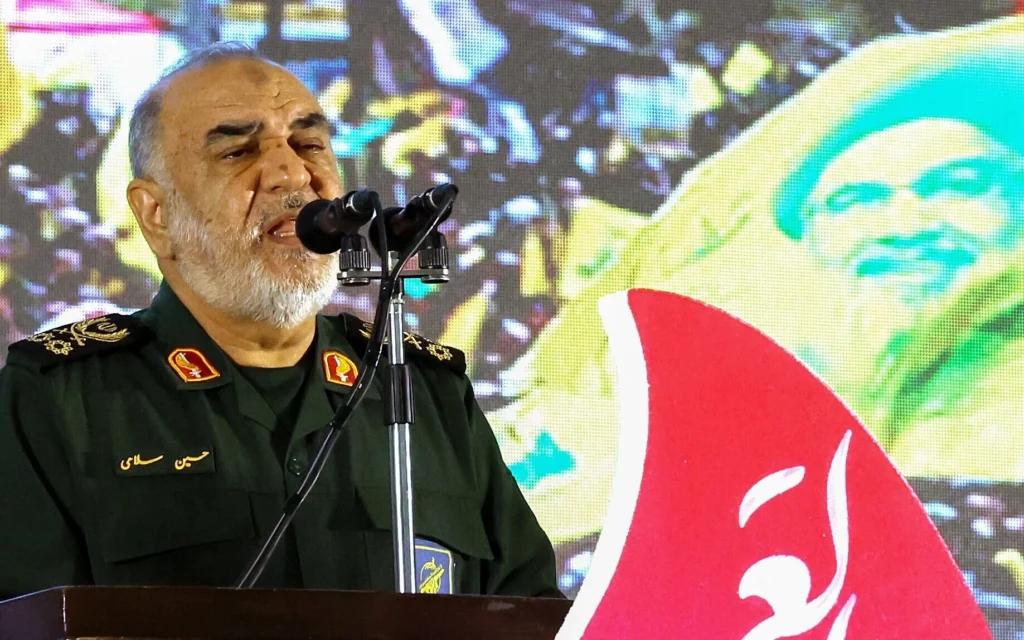
Saudi-led coalition airstrikes hit the Yemen Petroleum Company site west of Sanaa following a civilian evacuation warning. The Houthis responded with explicit threats against Saudi Aramco facilities, the Riyadh refinery, and King Khalid International Airport — which remains closed from prior strikes. The escalation ladder just added another rung.
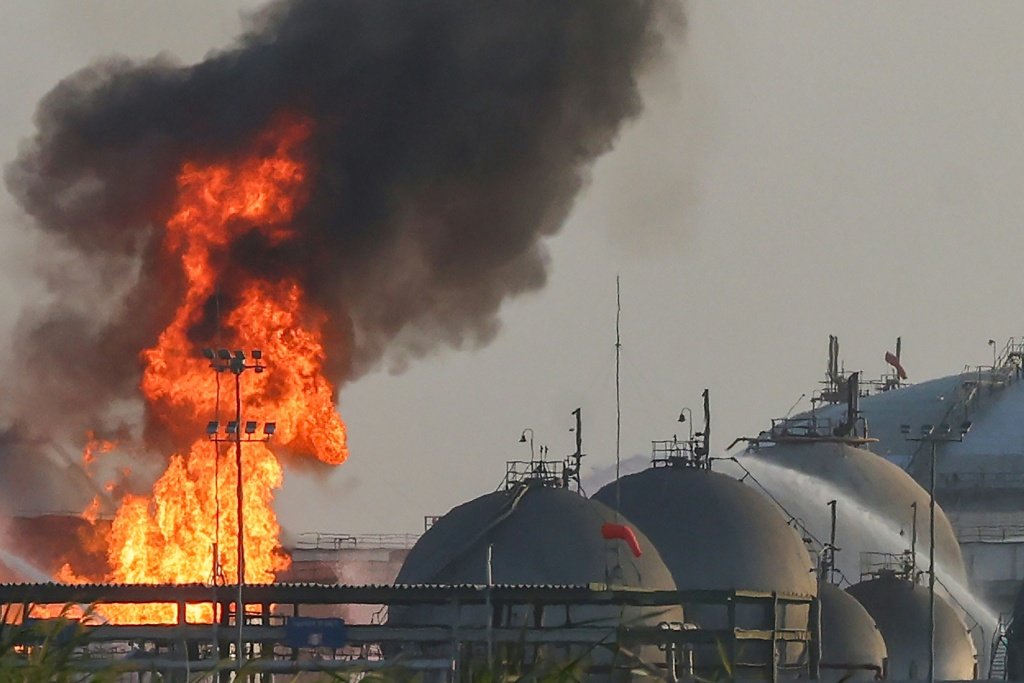
⚔️ SANAA / RIYADH · OCTOBER 13, 2026 · OIL FACILITY STRIKE / ARAMCO THREAT
Saudi-led coalition aircraft struck the Yemen Petroleum Company facility west of Sanaa. The strike was preceded by a civilian evacuation warning — a standard element of coalition targeting practice that serves both a humanitarian function and a legal one, establishing that civilians were given notice before a strike on infrastructure. The Yemen Petroleum Company site is fuel infrastructure for Houthi-controlled territory. Striking it has immediate civilian impact: fuel shortages, transportation disruption, generator fuel scarcity for hospitals and water pumping stations.
The Houthi response to the strike was to issue explicit threats against Saudi Aramco facilities, the Riyadh oil refinery, and King Khalid International Airport. The airport is already closed from the strikes earlier this week that killed twelve people. The threats against Aramco are the most significant new element: targeting Saudi oil production infrastructure would be a qualitative escalation of the conflict, with consequences for global energy markets that dwarf anything the airport strikes have produced.
WHY ARAMCO THREATS MATTER DIFFERENTLY
Saudi Aramco is the largest oil company in the world. It produces roughly ten percent of all globally traded oil. A successful Houthi strike on Aramco facilities — specifically on the Abqaiq processing facility, which processes the majority of Saudi oil exports, or on the Ras Tanura terminal — would remove a significant fraction of global oil supply from markets in ways that cannot be quickly replaced. The 2019 Houthi drone strike on Abqaiq demonstrated that this is not a theoretical concern: that attack temporarily cut Saudi oil production by approximately fifty percent and produced the largest single-day oil price spike in history.
The current Houthi threat environment is more sophisticated than in 2019. The Houthis have demonstrated longer-range precision strike capability — their strikes on Riyadh airport covered more than 1,000 kilometers. Whether they have the capability to successfully penetrate the Saudi air defense systems that have been upgraded since 2019, and to cause significant damage to Aramco infrastructure, is the question that oil markets and Saudi military planners are processing simultaneously. The threat alone is doing market work: it is a factor in the oil price volatility that Reuters and CNBC have been tracking.
THE AIRPORT CLOSURE STATUS
King Khalid International Airport in Riyadh remains closed as of available reporting. An international airport serving a capital city of seven million people does not close for minor incidents. The sustained closure reflects both the direct damage from prior strikes and the ongoing threat assessment that further strikes are possible. The Houthi explicit re-threat of the airport in their latest statement indicates that Riyadh airport is not a one-time target — it is an ongoing pressure point in their strategic campaign against Saudi civilian and economic infrastructure.
“The Houthis threatened Aramco. In 2019, they hit Abqaiq and cut Saudi oil production by half. That was a drone attack. They now have missiles that hit Riyadh. The 2019 script is not the ceiling here.”
WHAT HAPPENS NEXT
► Aramco security posture — Saudi government and Aramco response to the explicit threat
► Abqaiq and Ras Tanura — whether enhanced air defense deployments are confirmed at key oil facilities
► Airport reopening — timeline and conditions for King Khalid International to resume operations
► Fuel crisis in Sanaa — civilian impact of the Yemen Petroleum Company facility strike
► Oil price response — market reaction to the Aramco threat in Monday trading
| CONFIDENCE: HIGH | AP, Reuters, France 24 confirmed Saudi coalition strikes on Yemen Petroleum Company facility west of Sanaa following civilian evacuation warning; Houthi threats against Aramco facilities, Riyadh refinery, and King Khalid Airport confirmed. |
| BIAS CHECK | ASSESSMENT |
| Source weight | AP, Reuters, France 24 — three-outlet international confirmation |
| Evacuation warning | Noted as stated coalition practice; both humanitarian and legal functions described accurately |
| Aramco threat | 2019 precedent cited accurately with correct production impact figures |
| Houthi capability | Strike range capability based on confirmed recent strikes; Abqaiq penetration characterized as open question |
SOURCES
► AP — Saudi coalition strikes Yemen petroleum facility, Sanaa, October 13, 2026
► Reuters — Houthi threats Aramco refinery airport, escalation, October 13, 2026
► France 24 — Yemen oil facility strike, civilian evacuation warning, October 13, 2026