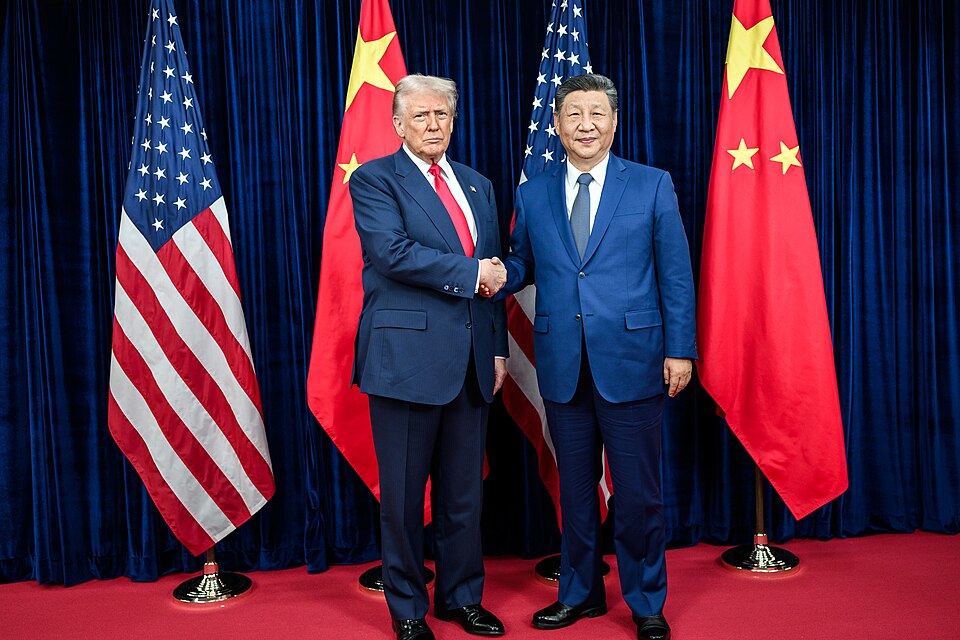
South Korea’s presidential Blue House maintains it remains in ‘close coordination’ with Washington regarding the scaled-back Ulchi Freedom Shield exercises. South Korean media commentator Na offers a sharply different assessment: Washington is effectively bypassing Seoul to encourage direct dealings with Pyongyang — because South Korea has ‘failed to demonstrate the will to defend itself’ or the strategic value it brings to the alliance. This is a pointed domestic Korean critique that indicts both governments simultaneously: Washington for bypassing its ally; Seoul for giving Washington reason to do so.

THE “CLOSE COORDINATION” DIPLOMATIC LANGUAGE
‘Close coordination’ is the diplomatic language of an ally that has been surprised by a decision and is managing that surprise in public. If South Korea had been genuinely consulted and agreed with the drill reduction, the statement would describe shared decision-making. ‘Close coordination’ — a phrase that describes process rather than agreement — suggests Seoul is describing the communication that occurred, not the alignment that was achieved.
This specific diplomatic language pattern is consistent with how allied governments characterize decisions made by Washington without full allied buy-in: they confirm that communication happened (which is true) without confirming that they agreed (which may not be true). It is diplomatically accurate and politically managed simultaneously.
THE COMMENTATOR NA CRITIQUE — THE SPECIFIC INDICTMENT
Commentator Na’s critique has two parts, both of which are analytically serious:
▸ ‘Failed to demonstrate the will to defend itself’: South Korea’s defense spending, military capability investment, and strategic independence posture have been subjects of US-Korea alliance tension for years. The Trump administration has previously raised questions about burden-sharing. Na is characterizing this as South Korea providing Washington with an argument for bypassing it.
▸ ‘Bypassing Seoul to encourage direct dealings with Pyongyang’: if Washington conducts diplomacy with North Korea without substantive consultation with South Korea, the alliance’s most affected member is excluded from decisions about its own security. This is the specific complaint that South Korean governments have raised about Trump’s prior North Korea diplomacy.
The ally whose security is most directly at stake is being managed rather than consulted. That is what ‘close coordination’ means when it is the only thing Seoul can say.
THE KOREAN DOMESTIC POLITICAL CONTEXT
South Korea’s domestic political debate about the alliance is complex: some Korean voices support greater strategic independence from the US; others see the US alliance as essential and the drill reductions as a dangerous precedent. The government’s ‘close coordination’ language is designed to manage both domestic audiences — not alarming those who see the US alliance as indispensable, while not provoking Washington with public disagreement.
| CONFIDENCE: HIGH | South Korea Blue House ‘close coordination’ statement and commentator Na’s critique are from confirmed reporting. Diplomatic language analysis is ONYX editorial, clearly labeled. |
SOURCES
▸ Confirmed reporting — South Korea Blue House statement and commentator Na critique, August 2026