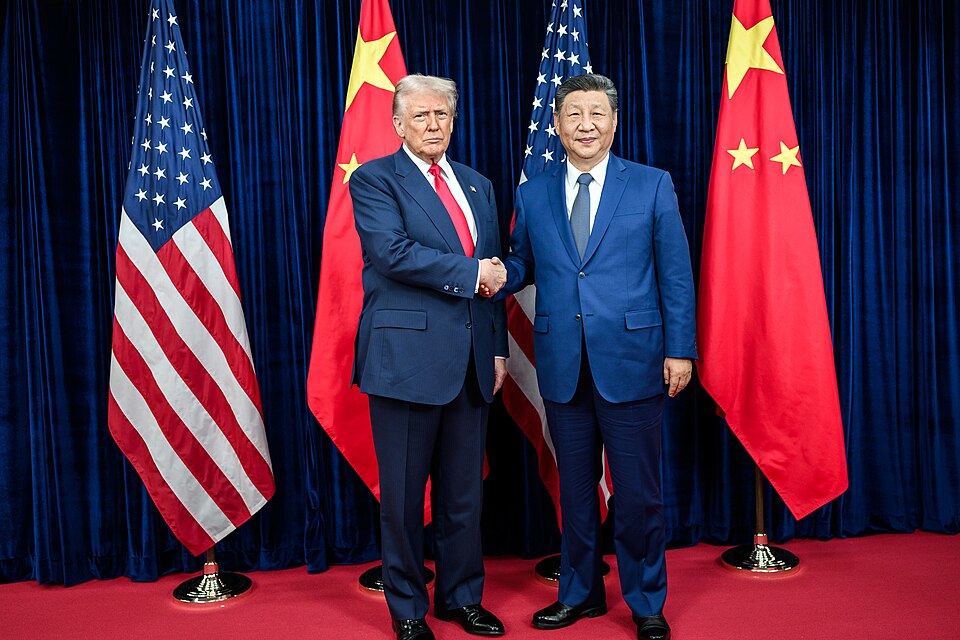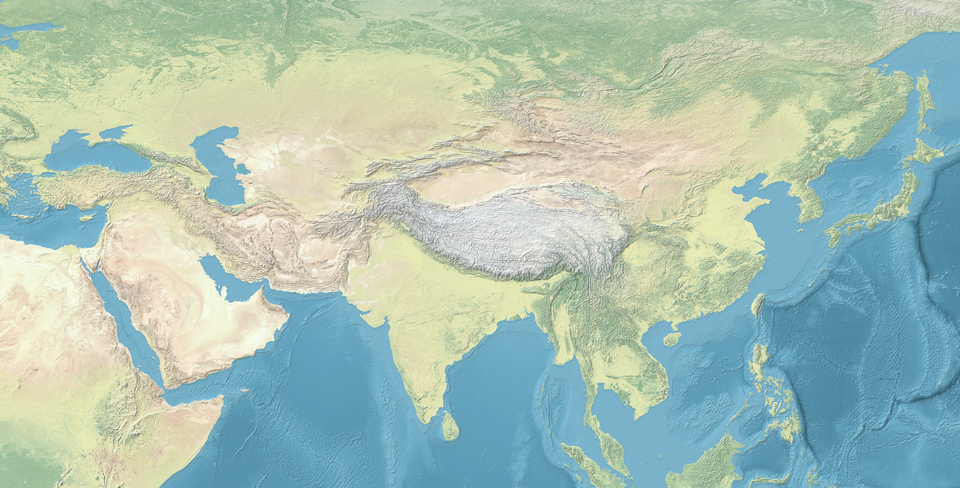
Trump reduced US-South Korea military exercises citing South Korea’s failure to help with Iran’s ‘denuclearization,’ while simultaneously praising Kim Jong Un as ‘unthreatening and respectful.’ Time’s analysis notes the specific contradiction: North Korea is not Iran’s counterpart in the counter-proliferation challenge — it is Iran’s weapons supplier. North Korea has a documented, decades-long history of transferring missile and military technology to Iran, including the Nodong missile’s role in developing Iran’s Shahab-3. Praising the supplier while pressuring the recipient is a specific logical inconsistency in the stated rationale.
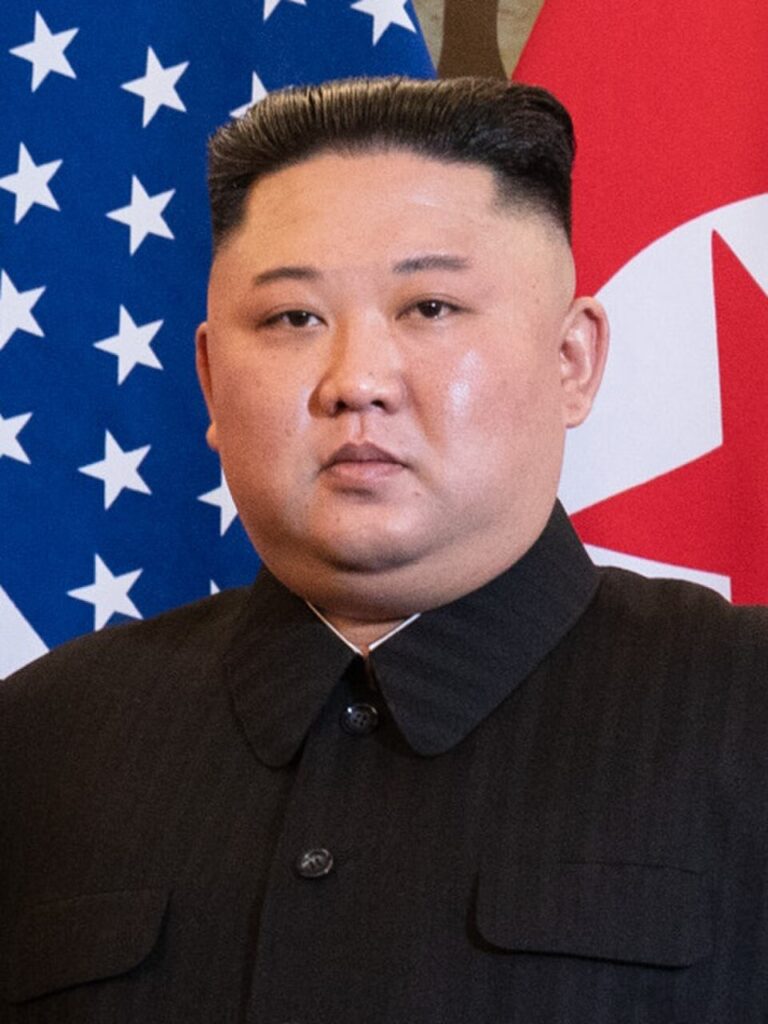
THE NORTH KOREA-IRAN WEAPONS RELATIONSHIP
The documented North Korea-Iran military technology transfer history:
▸ Nodong / Shahab-3: North Korea’s Nodong medium-range ballistic missile became the technical foundation for Iran’s Shahab-3, which is a cornerstone of Iran’s ballistic missile arsenal
▸ Scud variants: Iran’s early ballistic missile programs were supplied with North Korean Scud-B and Scud-C technology in the 1980s-1990s
▸ Missile guidance systems: North Korean technicians and technology have supported Iranian missile program development over multiple decades
▸ General conventional weapons: North Korea has been a supplier of conventional military equipment to Iran across the Cold War and post-Cold War periods
▸ Ongoing relationship: the transfer relationship has been documented by US intelligence as ongoing, not merely historical
THE SPECIFIC CONTRADICTION
Trump’s stated rationale: South Korea should help with Iran’s denuclearization, and its failure to do so justifies reducing US-Korea exercises. The implicit assumption: North Korea is a separate, potentially manageable partner whose cooperation can be cultivated through goodwill gestures like drill reductions.
The specific problem: North Korea is not a neutral party in Iran’s weapons development. It has been an active supplier. Cultivating North Korea’s goodwill through drill reductions while simultaneously pressuring South Korea over Iran’s weapons programs means rewarding the proliferator while sanctioning an ally for not stopping the proliferator’s client. This is not a logical framework for counter-proliferation.
Trump wants South Korea to help stop Iran’s weapons programs while praising the country that helped build those programs. The policy logic requires those two positions not to be in the same sentence.
WHAT THIS MEANS FOR THE IRAN DEAL
The Iran ceasefire deal’s nuclear dialogue framework (Day 11, 48 days to October 6) is predicated on the premise that Iran’s enrichment program can be capped and monitored. The North Korea technology transfer history is relevant to that premise: North Korea has provided Iran with missile technology; whether it has provided nuclear-related technology is a specific intelligence question that US assessments have addressed over the years with varying findings. The ‘unthreatening’ characterization of Kim Jong Un sits against that specific background.
| CONFIDENCE: HIGH | North Korea-Iran technology transfer history (Nodong/Shahab-3, Scud variants) is from established US intelligence and academic documentation. Time’s analysis framing is from confirmed reporting. Contradiction analysis is ONYX editorial, clearly labeled. |
SOURCES
▸ Time — North Korea distinct counter-proliferation challenge, Iran weapons connection, August 2026
▸ Established intelligence documentation — NK-Iran technology transfer history