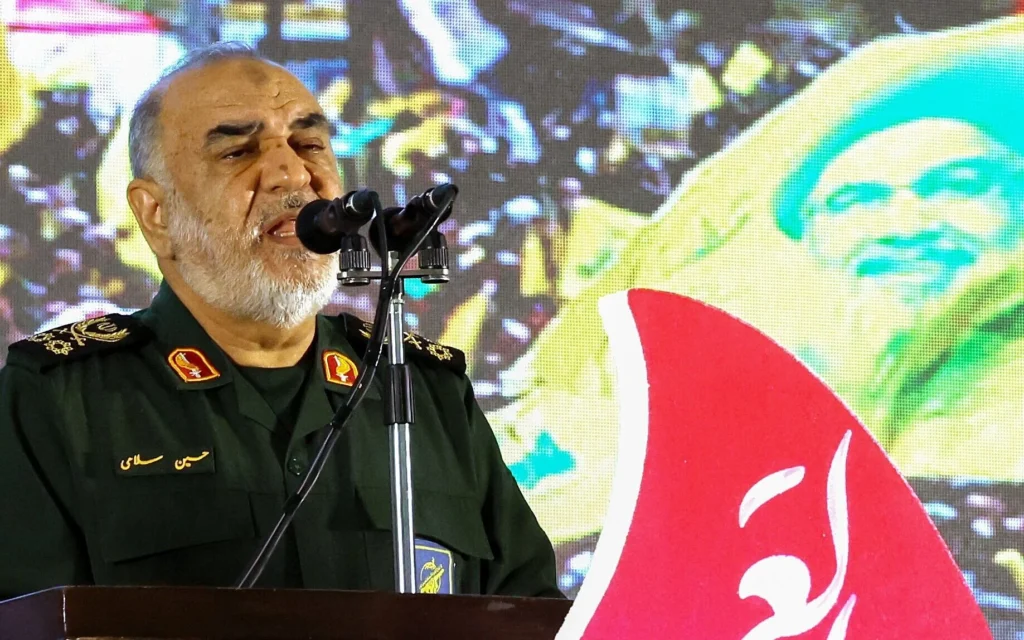
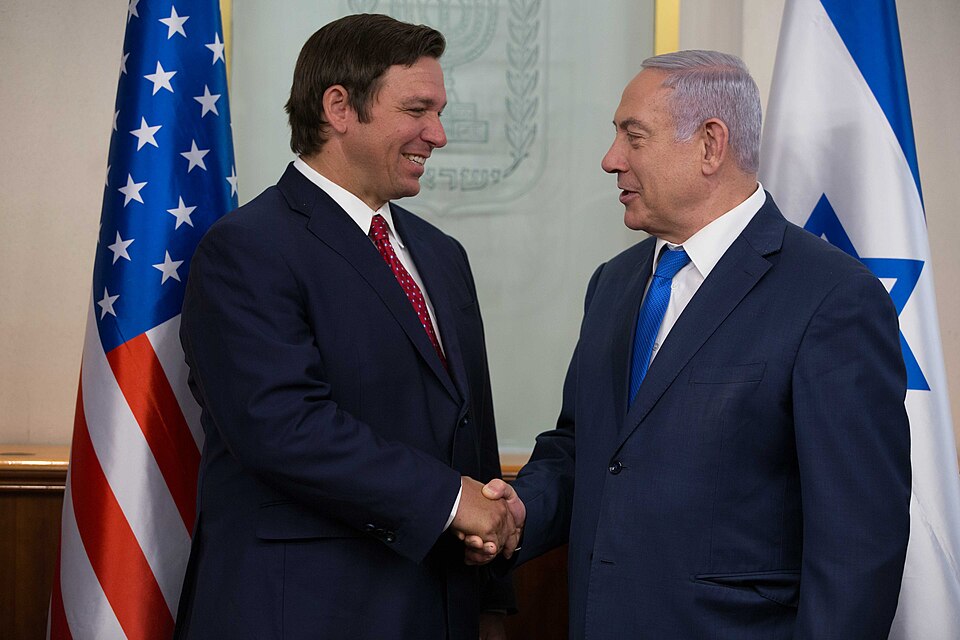
The convergence of pressure on Netanyahu from the Trump administration’s own envoys (Kushner), a joint Saudi-UAE condemnation, and Hamas’s direct appeal to the Board of Peace represents a genuinely unusual alignment of simultaneous diplomatic pressure from multiple directions. Israel has experienced US pressure before; it has experienced Arab state condemnation before; it has experienced Hamas political positioning before. What is different today is the simultaneity and the source of the US pressure: it is coming from a Trump administration that Netanyahu has relied on as his most reliable international cover.
WHY SIMULTANEITY MATTERS
When pressure arrives from multiple directions simultaneously, it is harder to manage than when it arrives sequentially. Netanyahu’s standard diplomatic toolkit for managing external pressure: wait out US administrations that are less supportive; appeal to American political dynamics that constrain US criticism; use Arab state condemnation as evidence of regional hostility that validates Israeli security concerns; frame Hamas’s positions as evidence of bad faith. Each of these responses works against a single pressure source. Against simultaneous, coordinated pressure from Washington, Riyadh, and Hamas’s deployment of the Board of Peace, they work less well.
WHAT MAKES THIS DIFFERENT FROM PRIOR PRESSURE
Prior instances of US-Israel tension involved administrations Netanyahu was politically positioned to outlast: the Obama administration (whose Iran nuclear deal Netanyahu campaigned against publicly in the US Congress); the Biden administration (which expressed concern about Gaza civilian casualties). Both were Democratic administrations that Netanyahu could frame to his domestic coalition as politically opposed to Israel’s interests.
The current pressure comes from Trump — the administration Netanyahu has most publicly aligned with, whose Jerusalem embassy move and Golan Heights recognition he celebrated, and whose political coalition includes Netanyahu’s strongest American supporters. Framing Trump’s Gaza roadmap pressure as anti-Israel is not available to Netanyahu in the same way Democratic pressure was. The political framing toolkit is constrained by the source of the pressure.
Every previous US administration that pressured Israel, Netanyahu could frame as not fully understanding Israel’s security situation. He cannot use that frame against Trump. That is what makes this specific pressure genuinely different.
THE QUESTION THAT DETERMINES THE OUTCOME
The specific question that will determine whether the simultaneous pressure produces any change in Netanyahu’s position: does Trump personally make clear to Netanyahu that the relationship itself is conditioned on Gaza roadmap progress? Every prior pressure campaign has allowed Netanyahu to maintain the relationship while resisting the specific policy. If Trump signals that the relationship is itself at stake — as the Saudi-UAE joint condemnation and Kushner’s confrontational shuttle diplomacy suggest may be the direction — the calculation changes.
| CONFIDENCE: HIGH | Simultaneous pressure (Kushner, Saudi-UAE condemnation, Hamas Board of Peace appeal) is from confirmed reporting across this article series. Comparison to prior pressure dynamics (Obama, Biden administrations) is from established political history. Analysis of toolkit constraints is ONYX editorial, clearly labeled. |
SOURCES
▸ Confirmed reporting — Kushner, Saudi-UAE condemnation, Hamas appeal, August 2026
▸ Established political history — prior US-Israel pressure dynamics