Today is Day 12 of the Iran ceasefire deal. The Muscat nuclear dialogue remains the established communication channel. The IRGC backchannel claim, Kushner’s contradictory statements, and Trump’s 72-hour reversal are new developments that ONYX covers as genuine deal-stress signals — not as evidence the deal has collapsed. The operational indicators (Hormuz transit, IAEA monitoring, gas prices) are addressed in Story 6. This article covers the diplomatic communication picture specifically.
THE 72-HOUR TIMELINE — WHAT WAS SAID, BY WHOM, AND WHEN
ONYX presents the documented statements in chronological order:
| WHO | WHAT THEY SAID |
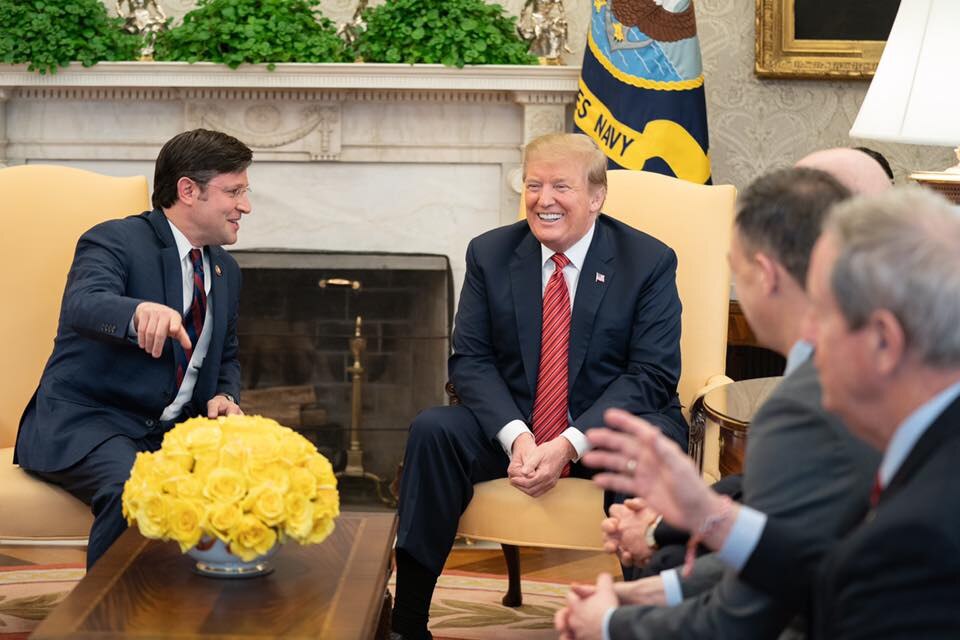
| Trump (Monday, Fox News) | “We are speaking directly with IRGC officials in Iran” |
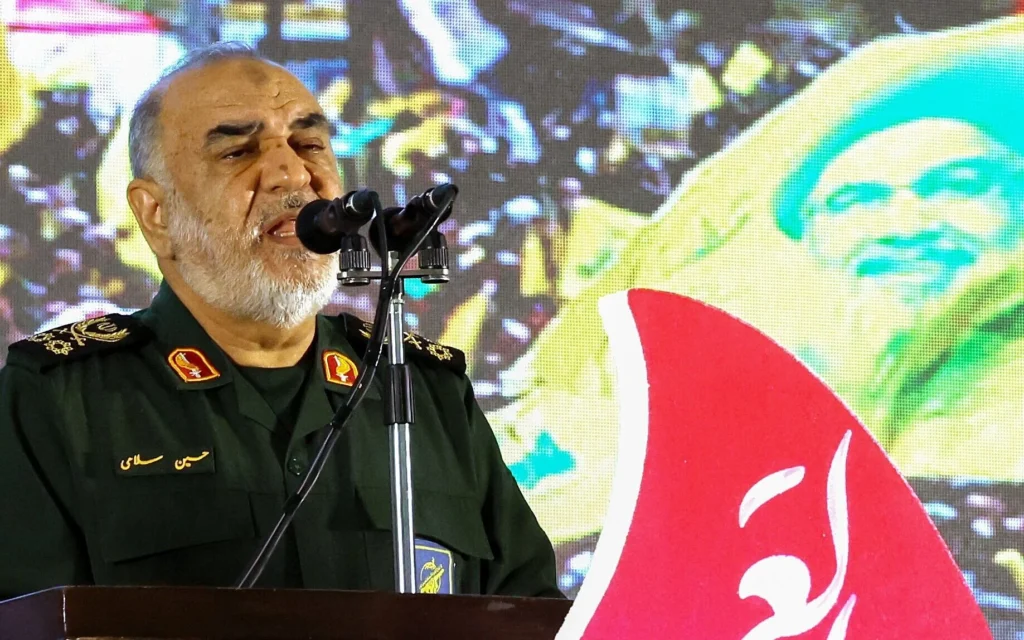
| IRGC Spokesman Hossein Mohibbi | Called the claim “lies” and “fantasies born of delusions and nightmares resulting from defeat and desperation in the war” |
| Kushner (simultaneously) | “US-Iran communications are ‘probably more robust than it’s maybe ever been'” |
| Iran Foreign Ministry | Called reports of any secret contact “media techniques and psychological operations used to sow discord” |
| Trump (Wednesday — 72 hours later) | Said no talks with Iran are currently taking place at all |
Four parties produced five materially different characterizations of the same question — are the US and Iran in direct communication? — within 72 hours. ONYX documents each characterization at its stated confidence level and does not attempt to resolve the contradiction by choosing one as authoritative.
WHY THIS IS A SIGNIFICANT DEAL-STRESS SIGNAL
The Iran ceasefire deal’s established communication architecture — as ONYX has documented across 12 days — runs through the Oman-mediated Muscat channel. The nuclear dialogue’s first session (August 14) used that channel with Araghchi personally leading the Iranian delegation. The IRGC is Iran’s most hardline military-political institution; it has historically opposed diplomatic engagement with the US. If Trump’s Monday claim of direct IRGC contact was accurate:
▸ It would represent a new, separate channel from the Muscat diplomatic track
▸ It would represent the IRGC (not the Foreign Ministry) as the counterpart, which is a qualitatively different engagement
▸ It would potentially alarm Israel and Gulf states, who watch IRGC contact as a signal of legitimizing Iran’s most hardline military faction
▸ It would be inconsistent with Iran’s Foreign Ministry’s simultaneous denial of any secret contact
If Trump’s Wednesday reversal was accurate, then his Monday claim was false — either a deliberate misrepresentation, a misunderstanding, or a characterization of back-channel communications that did not constitute direct talks. The IRGC’s ‘nightmares and delusions’ response is consistent with their institutional posture toward any public claim of US-IRGC contact.
THE KUSHNER CONTRADICTION
Kushner’s claim that US-Iran communications are ‘probably more robust than it’s maybe ever been’ is simultaneously not refuted and not reconciled with Trump’s reversal. The specific content of Kushner’s characterization — communications more robust than ever — is consistent with the nuclear dialogue framework that ONYX has documented. The Muscat channel, the Oman maritime discussions, the Qatar and Pakistan mediator contacts: taken together, they do represent a level of US-Iran diplomatic activity that is historically unusual.
Kushner’s characterization may be accurate as a description of the overall diplomatic architecture while Trump’s specific IRGC claim was inaccurate. The two statements are not necessarily incompatible if Trump’s Monday claim was an imprecise description of the broader communication picture rather than a specific account of IRGC direct talks.
THE IRGC’S “NIGHTMARES AND DELUSIONS” RESPONSE
IRGC Spokesman Hossein Mohibbi’s specific language — ‘lies,’ ‘fantasies,’ ‘delusions and nightmares,’ ‘defeat and desperation in the war’ — is not diplomatic language. It is the language of an institution that wants to publicly and emphatically deny contact with the US, for domestic Iranian political reasons, in the strongest possible terms. The IRGC has institutional reasons to deny any contact with the US regardless of whether contact occurred: any acknowledgment of IRGC-US communication would be politically weaponized by Iran’s hardliners against the diplomatic track that Araghchi and the Foreign Ministry are managing.
Trump said the US is talking to the IRGC. The IRGC said Trump is having nightmares. Kushner said communications are more robust than ever. Trump said 72 hours later that no talks are happening. ONYX documents all four statements. It cannot tell you which one is true.
WHAT THIS MEANS FOR DAY 12 DEAL STATUS
The 72-hour contradiction is a deal-stress signal — it indicates that the diplomatic communication picture around the ceasefire is more chaotic and internally inconsistent than ONYX’s established framework had documented. It does not indicate that the ceasefire has collapsed. The operational indicators (Hormuz transit, IAEA enrichment monitoring, gas prices) are separate from the diplomatic communication picture and remain the most reliable data sources for whether the deal is functioning.
ONYX will continue tracking the operational indicators as the primary deal-status measure. The diplomatic communication chaos is a secondary indicator that raises the probability of deal stress but does not confirm deal collapse.
WHAT HAPPENS NEXT
▸ Second nuclear dialogue session — whether it proceeds as expected in the August 21-28 window will be the most direct test of whether the communication chaos has disrupted the functional diplomatic track
▸ IAEA Day 12 monitoring report — enrichment data is operationally independent of the diplomatic communication chaos
▸ Iran Foreign Ministry vs. IRGC — whether Araghchi publicly addresses the IRGC’s statement will indicate how unified Iran’s government position is
▸ Trump clarification — whether the White House provides additional context for the Monday-Wednesday reversal
▸ 47 days to October 6
| CONFIDENCE: MODERATE | Trump Monday IRGC claim and Wednesday reversal are from confirmed Fox News reporting. IRGC Mohibbi response is from confirmed reporting. Kushner ‘more robust than ever’ is from confirmed reporting. Iran Foreign Ministry ‘psychological operations’ denial is from confirmed reporting. Four contradictory statements within 72 hours are documented fact; which characterization of US-Iran communications is accurate is not established. |
| ⚖️ BIAS CHECK — WHO IS SAYING WHAT | |
| Trump | Made a specific claim on Monday and reversed it on Wednesday; the reversal creates a documentation problem regardless of which statement was accurate |
| Kushner | His “more robust than ever” characterization is consistent with the established Muscat channel framework; may be accurate as a description of overall communications |
| IRGC / Mohibbi | Has institutional reasons to deny any contact regardless of whether contact occurred; “nightmares and delusions” is political language, not a factual characterization |
| Iran Foreign Ministry | Called the reports “psychological operations”; consistent with Iran’s pattern of publicly denying channels it uses through intermediaries |
| ONYX | Documents all four statements; does not resolve the contradiction by choosing one as authoritative; tracks operational indicators as the primary deal-status measure |
SOURCES
▸ Fox News — Trump Monday IRGC claim and Wednesday reversal
▸ Fox News — Kushner “more robust than ever” statement
▸ IRGC Spokesman Mohibbi — “nightmares and delusions” response (confirmed reporting)
▸ Iran Foreign Ministry — “psychological operations” denial (confirmed reporting)
Q: Is the US actually talking to the IRGC?
A: ONYX cannot establish this. The evidence is contradictory: Trump claimed yes on Monday, said no on Wednesday, Kushner implied a robust overall communication picture, and the IRGC denied any contact. Each of these could be simultaneously true in different senses: indirect contact through intermediaries that Trump characterized as direct; IRGC messages passed through the Muscat channel that do not constitute direct talks; or no meaningful contact at all.
Q: Does this threaten the ceasefire?
A: The communication chaos is a stress signal, not a collapse indicator. The ceasefire’s operational functionality is measured by Hormuz transit data, IAEA enrichment monitoring, oil prices, and gas prices at the pump. Those indicators remain the primary test.