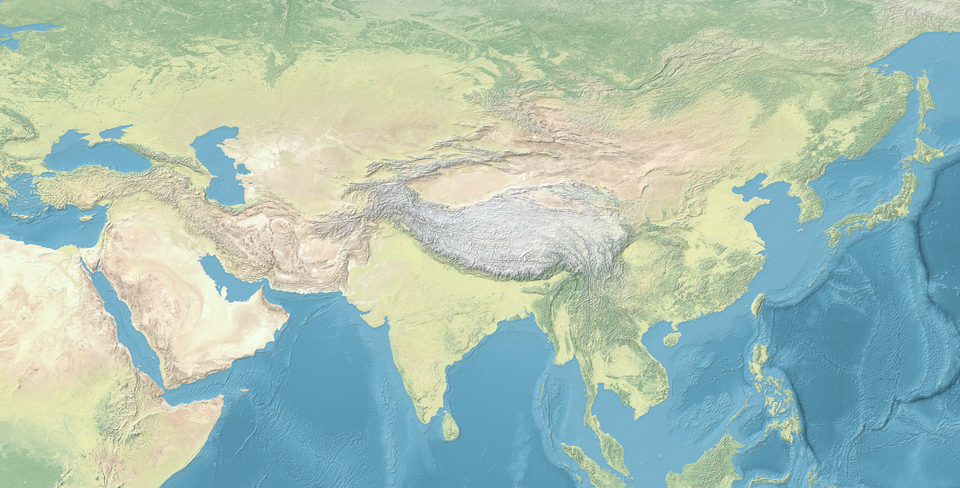
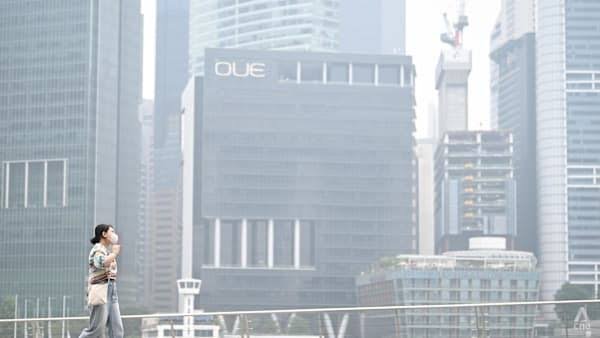
PM2.5 levels across Singapore spiked to their highest readings of the year as smoke from Indonesian wildfires blanketed the region. Timor-Leste suspended in-person schooling for multiple days as cross-border haze made outdoor exposure dangerous. Southeast Asia annual haze crisis — driven by agricultural burning and deforestation fires in Sumatra and Kalimantan — returned to the headlines on its familiar October schedule.
🌫️ SINGAPORE / TIMOR-LESTE · OCTOBER 14, 2026 · INDONESIAN WILDFIRE HAZE
The National Environment Agency in Singapore recorded PM2.5 readings at their highest levels of 2026 on Tuesday, as transboundary smoke from Indonesian wildfires pushed air quality into hazardous territory across the island city-state. AFP, via Wikipedia current events, confirmed the readings and the broader regional impact. Timor-Leste, which sits in the path of smoke plumes moving east from Kalimantan, suspended in-person classes for multiple days as health authorities determined that school attendance would expose children to sustained dangerous air quality. The haze crisis is an annual regional event with a predictable source and an equally predictable pattern of diplomatic friction that has not, in three decades of effort, produced a durable solution.
The fires driving the haze originate primarily in the Indonesian provinces of Riau, South Sumatra, and Kalimantan — areas where agricultural burning to clear land for palm oil and pulpwood plantations has been the dominant land management practice for decades. Indonesia has committed repeatedly to ending the burning. Enforcement is inconsistent, local economic incentives remain powerful, and dry season conditions in El Nino years amplify what would otherwise be manageable fire loads into multi-week crises. 2026 conditions have created one of those years.
WHY SINGAPORE IS THE INDICATOR
Singapore is a useful haze indicator not because it is the most affected country — it is not; Indonesia itself suffers the worst health impacts — but because it has the most sophisticated air quality monitoring infrastructure in the region and the most international visibility. When Singapore PM2.5 goes above 100 micrograms per cubic meter, the story enters international wire coverage. When it goes above 200, it triggers diplomatic conversations. The readings reported Tuesday are the highest of 2026, which means the smoke event is at a level that produces measurable health risk for the general population in Singapore, not just for outdoor workers or people with respiratory conditions.
Timor-Leste school closures represent a more acute consequence. Timorese children attending school outdoors or in poorly ventilated buildings during a haze event of this severity face real respiratory health risks. The decision to suspend in-person classes is the correct one. It is also a sign of how the burden of the haze falls disproportionately on smaller, less wealthy neighbors. Singapore can issue health advisories and ask its population to stay indoors; Timor-Leste closes its schools.
THE DIPLOMATIC DEADLOCK
The ASEAN Agreement on Transboundary Haze Pollution, signed in 2002 and ratified by Indonesia in 2014, has not resolved the problem. Concession companies and smallholder farmers continue burning. Indonesia has prosecuted some cases and imposed some penalties. Singapore and Malaysia have passed domestic legislation allowing them to hold foreign companies accountable for haze-producing fires on their land. Enforcement under that legislation has been limited. The pattern each year is fire, haze, diplomatic statements, pledges, and the same fires the following dry season. 2026 is not different.
“Singapore recorded its worst pollution of 2026. Timor-Leste closed its schools. The fires are in Indonesia. The problem has been happening every October for thirty years. The diplomatic architecture to stop it exists on paper. The fires keep burning.”
WHAT HAPPENS NEXT
► Peak haze assessment — whether PM2.5 levels continue rising or begin to decline as wind patterns shift
► Indonesia fire suppression — whether emergency aerial firefighting brings the Kalimantan fires under control
► ASEAN response — whether member states issue a collective statement or hold emergency consultations
► Timor-Leste school timeline — how long in-person suspension remains in effect
► Diplomatic accountability — whether Singapore or Malaysia pursue enforcement under their haze legislation
| CONFIDENCE: HIGH | AFP via Wikipedia current events confirmed Singapore’s highest 2026 PM2.5 readings and Timor-Leste’s in-person class suspension due to cross-border Indonesian wildfire haze. |
| BIAS CHECK | ASSESSMENT |
| Source weight | AFP via Wikipedia current events — wire confirmation; underlying AFP report is primary |
| Indonesia framing | Agricultural burning and deforestation characterized as documented land management practice, not editorial attack |
| ASEAN framing | Agreement and enforcement described from public record; failure characterized factually, not editorially |
| Health framing | PM2.5 health risks cited from established air quality science; Timor-Leste decision described as correct without editorializing |
SOURCES
► AFP via Wikipedia current events — Singapore 2026 haze record, Timor-Leste school suspension, October 14, 2026