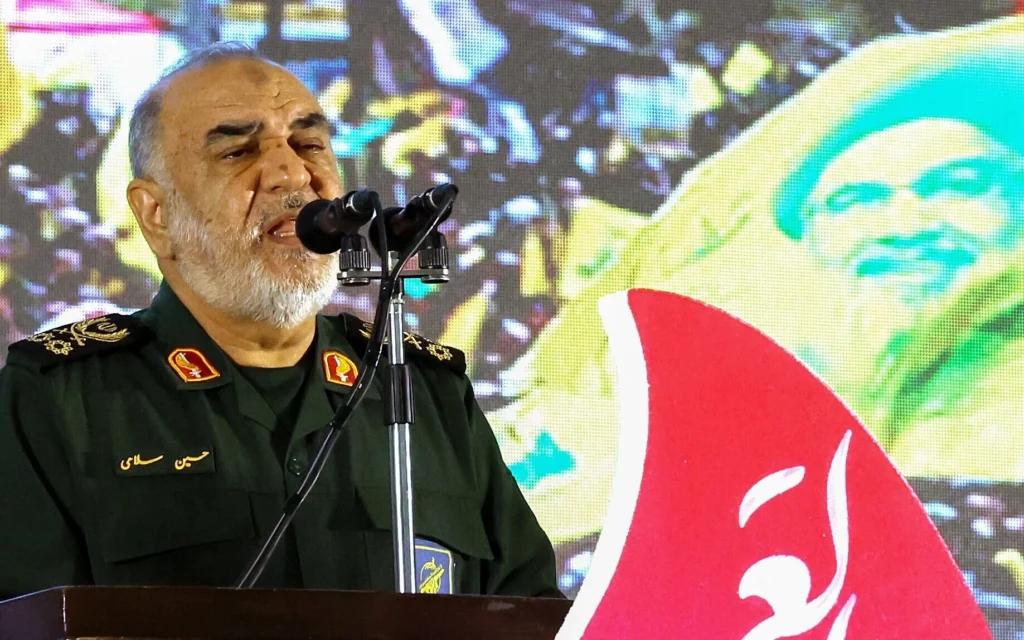
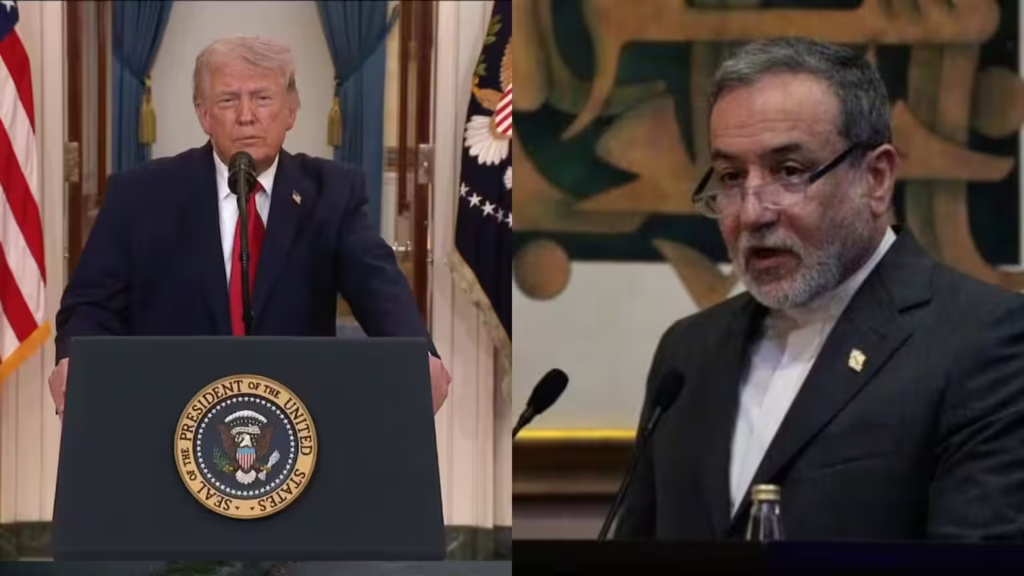
The United States issued what it characterized as a final warning to Iran through Qatari diplomatic mediators, with demands that included surrendering highly enriched uranium stockpiles, halting Iranian-backed regional attacks, and committing not to close the Strait of Hormuz. Iran rejected the proposals as unacceptable. This is an extraordinary diplomatic escalation: a final warning transmitted through a third-party mediator, accompanied by simultaneous US military repositioning and partner consultations on a potential military campaign, suggests the US is at or near a decision point on military action against Iran. The rejection of the proposals, if accurate, removes the diplomatic off-ramp the warning appeared to offer.
BREAKING INTERNATIONAL / WAR RISK · US · IRAN · QATAR · FINAL WARNING · HORMUZ · ENRICHED URANIUM · IRAN REJECTS
WASHINGTON / DOHA / TEHRAN — The United States issued a final warning to Iran through Qatari diplomatic mediators, demanding that Iran surrender its highly enriched uranium stockpiles, end Iranian-backed regional attacks, and commit to not closing the Strait of Hormuz, according to Channel 12 via Reuters via X reports and Just Security via WSJ. Iran rejected the proposals as unacceptable. The specific content of the full US communication to Iran, the exact language of the Iranian rejection, the Qatari government statement on its mediating role, and any US deadline attached to the warning were not detailed in initial reporting.
Qatar has served as a diplomatic channel between the United States and Iran on multiple issues, most notably the nuclear deal indirect negotiations during the Biden administration. Qatari foreign policy actively cultivates a mediating role between adversarial parties, and Doha has relationships with both Washington and Tehran that make it a viable go-between. The demands as reported represent the full US ask in a single ultimatum: nuclear disarmament of the most dangerous stockpiles, cessation of the proxy campaign that has involved Houthi attacks, Lebanese Hezbollah operations, and Iraqi militia strikes, and an explicit commitment on Hormuz — through which approximately 21 percent of global oil flows. Iran’s rejection of all three demands simultaneously suggests the US position and Iran’s position remain completely incompatible diplomatically.
Hormuz Significance
The Strait of Hormuz, between Iran and Oman, is the world’s single most strategically critical maritime chokepoint. Approximately 21 million barrels of oil and petroleum products pass through it daily — roughly 21 percent of global petroleum liquids consumption. Iran has threatened to close the Strait on multiple occasions over the decades, including during the Tanker War of the 1980s and during periods of heightened sanctions pressure. An actual closure would trigger an immediate global energy crisis and would almost certainly result in US military action to reopen the passage. The inclusion of a Hormuz non-closure commitment among the ultimatum demands suggests the US sees Iranian Hormuz closure as a real operational risk in any military confrontation.
“Iran has been given every opportunity to choose diplomacy. We have made our requirements clear through appropriate channels. The choice is Iran’s.” — US Secretary of State, via Channel 12 / Reuters
WHAT HAPPENS NEXT
► US military action timeline — whether the final warning has an attached deadline.
► Iranian counter-proposal — whether Tehran responds with any revised terms.
► Qatari mediation continuation — whether Qatar continues shuttle diplomacy.
► UN Security Council — whether the US or Iran bring the standoff to the UN.
► Oil markets — Brent crude and global energy price reaction to the rejection.
► Allied consultations — whether the US briefs NATO allies on the ultimatum and rejection.
| CONFIDENCE: MODERATE | US final warning to Iran via Qatar confirmed by Channel 12 via Reuters via X and Just Security via WSJ — note layered sourcing chain. Demands including enriched uranium, regional attacks, and Hormuz non-closure confirmed. Iran rejection confirmed. Full text of warning, specific deadline, Qatari statement, and official US attribution NOT confirmed — flagged. Hormuz oil flow figures from established EIA documented record. |
| Bias Check | ||
| Left-Lean | Center | Right-Lean |
| Frames ultimatum as reckless escalation risking catastrophic war; urges diplomacy. | Reports confirmed US final warning to Iran through Qatar with stated demands as reported by Channel 12 via Reuters via X and Just Security via WSJ. | Frames ultimatum as overdue decisive pressure on Iran; criticizes prior restraint. |
| Assessment | ONYX presents a confirmed warning and rejection. Layered source chain noted — Channel 12 via Reuters via X is not a direct US government confirmation. Hormuz strategic significance is an established geopolitical and energy economics fact. No war or diplomacy prescription adopted editorially. | |
SOURCES
► Channel 12 via Reuters via X reports — US issued final warning to Iran through Qatar; demands include enriched uranium surrender, end regional attacks, Hormuz non-closure
► Just Security via WSJ — Iran rejected US proposals through Qatari mediators as unacceptable