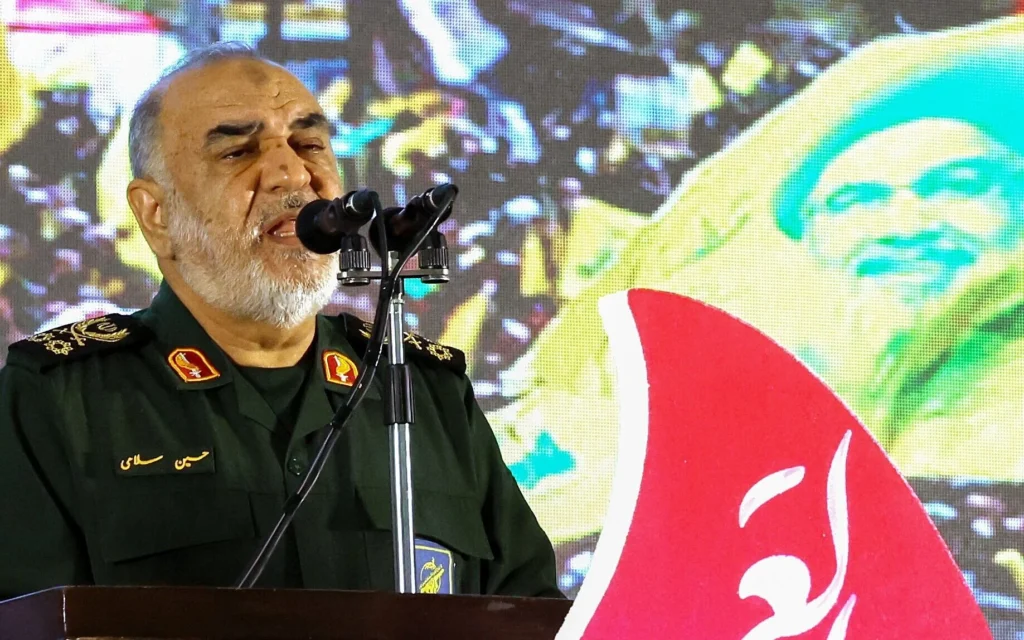
The Times of Israel reported Sunday that a deal is being actively mediated to return the US and Iran to the memorandum of understanding they signed in June — with an emerging framework that would keep the Strait of Hormuz open for 60 days without transit fees and formally renew the ceasefire between both sides. Simultaneously, Iranian state media confirmed that talks between Iran and Oman over a “mutual mechanism” to govern the strait are now in their “final stages.” Two parallel diplomatic tracks appear to be converging toward the same practical outcome.
2-MINUTE CONTEXT — WHAT IS THE MOU AND WHAT COLLAPSED?
The June memorandum of understanding was the first formal framework the US and Iran agreed to since the war began February 28. It established a temporary ceasefire, governed Hormuz passage on specific terms, and gave both sides a face-saving mechanism to claim they had made progress without fully resolving the underlying disputes. It collapsed — or at least stopped being operationally respected — when Iran denied Trump’s August 2 “deal” announcement, when drone attacks continued, and when Iran maintained Hormuz restrictions.
The current mediation reported by Times of Israel is an attempt to re-establish essentially the same framework — renewed MOU, 60-day Hormuz opening, formal ceasefire. The fact that this is the third iteration of essentially the same agreement tells you both that the framework is functional enough to repeatedly revive and that neither side has resolved the underlying disagreements that keep causing it to collapse.
THE TWO PARALLEL TRACKS
| TRACK 1: US-IRAN MOU RENEWAL | TRACK 2: IRAN-OMAN HORMUZ MECHANISM |
| Mediated by: Oman (deputy level); Qatar reportedly involved | Negotiating parties: Iran and Oman directly |
| Reported by: Times of Israel / Channel 12 sources | Confirmed by: Iranian state media |
| Outcome: 60-day Hormuz opening without transit fees + ceasefire renewal | Outcome: “mutual mechanism” governing strait transit — details not specified |
| Status: Actively mediated; not yet confirmed by either government | Status: “Final stages” per Iranian state media |
| Precedent: Same framework as June MOU that previously collapsed | Precedent: Novel bilateral Oman-Iran governance mechanism |
WHAT “60 DAYS WITHOUT TRANSIT FEES” MEANS
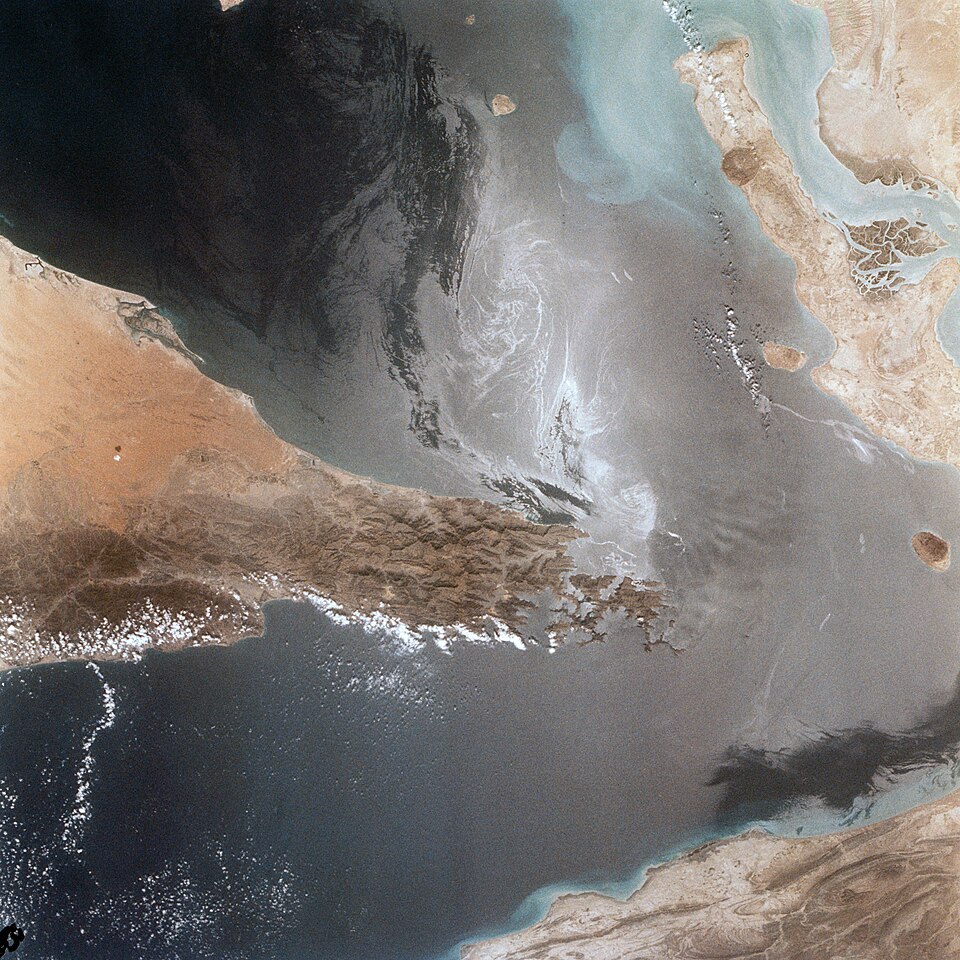
One of the most contentious elements of the Hormuz dispute has been Iran’s imposition of transit fees on vessels using the strait — a practice Iran formalized through its newly established Persian Gulf Strait Authority. Transit fees create a revenue stream for Iran but are viewed by the US and maritime law authorities as a violation of the principle of innocent passage under UNCLOS.
A 60-day suspension of transit fees is a specific, measurable concession that Iran would make — not the permanent withdrawal of the fee regime, but a temporary suspension that allows commerce to flow more normally and gives both sides a chance to claim progress. For oil markets, even 60 days of genuinely unrestricted Hormuz passage would begin to reduce the risk premium built into global crude prices.
The 60-day timeframe also creates a countdown clock: at the end of 60 days, the cycle either produces a more durable arrangement or the same escalation-pause dynamic resumes. Based on the pattern documented in Story 20 (third iteration of essentially the same deal), the latter is at least as likely as the former.
| 🔍 ONYX REALITY CHECK VERDICT: UNVERIFIED WHY? The Times of Israel’s sourced reporting is from “sources familiar with the details” — not from official US or Iranian government statements. Iranian state media’s “final stages” confirmation of Oman-Iran talks is semi-official. Neither the US nor Iran has confirmed a deal on the record. ONYX rates this UNVERIFIED — not because the reporting is unreliable, but because the pattern of this conflict’s diplomacy (see August 1–3 coverage) shows that sourced reporting of imminent deals has preceded actual deals by days or not at all. Confidence is moderate-high that talks are occurring; confidence that a deal is imminent is lower. |
WHY THIS MATTERS
Oil markets: any credible Hormuz reopening reduces the global energy supply risk premium. Sixty days of open passage would meaningfully reduce crude prices — how much depends on how the market assesses the 60-day deal’s durability.
For Trump: a renewed ceasefire deal before midterms (99 days away) addresses both the 61% who disapprove of the war and the 78% who say prices aren’t falling fast enough. It is his most available path to changing the economic narrative before November.
For Iran: a renewed MOU is a face-saving mechanism — Iran gets to reopen Hormuz without fully capitulating to US demands, claim diplomatic legitimacy, and reduce the pressure from Gulf allies and China who want the strait open.
For Gulf allies: Qatar, UAE, Saudi Arabia, Turkey — all of whom lobbied against the bombing campaign this weekend — have been pressing for exactly this kind of framework. A renewed ceasefire validates their diplomatic effort and reduces the regional economic cost of the conflict.
WHAT HAPPENS NEXT
▸ Watch for official US State Department or Iranian Foreign Ministry confirmation — any on-record statement validates the Times of Israel sourcing
▸ Oman is the key indicator state: if Oman publicly announces a Hormuz governance mechanism, the Oman-Iran track is confirmed
▸ Oil markets will move before official confirmation if traders believe the reporting — watch Brent crude price in the 24-48 hours following this report
▸ Trump will announce any deal — watch for a Truth Social post characterizing the outcome as a “historic” result of American strength
▸ Iran will frame any deal to its domestic audience in a way that preserves sovereignty and does not appear to capitulate — watch Iranian state media for their framing
| CONFIDENCE: MODERATE | Times of Israel sourcing is credible but unofficial. Iranian state media “final stages” confirmation is semi-official but not binding. Pattern of this conflict’s diplomacy advises caution about “imminent deal” framing. Oil market indicators and official statements will confirm or deny within 24–72 hours. |
| ⚖️ BIAS CHECK — WHO IS SAYING WHAT | |
| Times of Israel / Channel 12 | Credible Israeli outlet with established sourcing on Iran negotiations; has been reliable on this specific diplomatic track |
| Iranian State Media | Semi-official confirmation of Oman talks “final stages” — Iran wouldn’t confirm if talks were purely exploratory |
| US Government | Silent as of publication; consistent with the pattern of not confirming deals until fully negotiated |
| Oil Markets | Will price in the probability, not certainty, of the deal — watch Brent crude as a real-time credibility indicator |
| Gulf States | Privately hoping for the deal; publicly maintaining their mediator positions |
| Republicans | Will support Trump if he delivers a deal; will criticize if it looks like capitulation on core demands (Hormuz, nuclear) |
| Democrats | Will scrutinize the terms; if the deal doesn’t include nuclear concessions, will frame as a short-term patch |
SOURCES
▸ Times of Israel — deal mediation reporting, Sunday August 4, 2026
▸ Channel 12 sources — deal framework details (60 days, no transit fees, ceasefire renewal)
▸ Iranian state media — Oman talks “final stages” confirmation
▸ ONYX August 1–3 coverage — MOU history and prior deal-announcement pattern
QUESTIONS YOU MAY STILL HAVE
Q: Is this the same deal Trump announced on August 2?
A: Not necessarily. Trump’s August 2 announcement referenced “parameters agreed to” — which Iran denied. The current mediation appears to be an attempt to formalize something that, on August 2, was at most a preliminary signal. Whether they are the same process or two different ones is not clear from available reporting.
Q: Who is doing the mediating?
A: Oman is doing the direct mediation between the US and Iran at the deputy level. Qatar is reportedly also involved. The specific individuals involved have not been publicly named.
Q: What happens after 60 days?
A: If the deal holds, the 60-day window should produce either a more durable arrangement or a new negotiation. Based on the pattern (June MOU collapsed; third renewal being negotiated), neither side has resolved the underlying disputes. A new negotiation is the more likely outcome of the 60-day window than a permanent resolution.