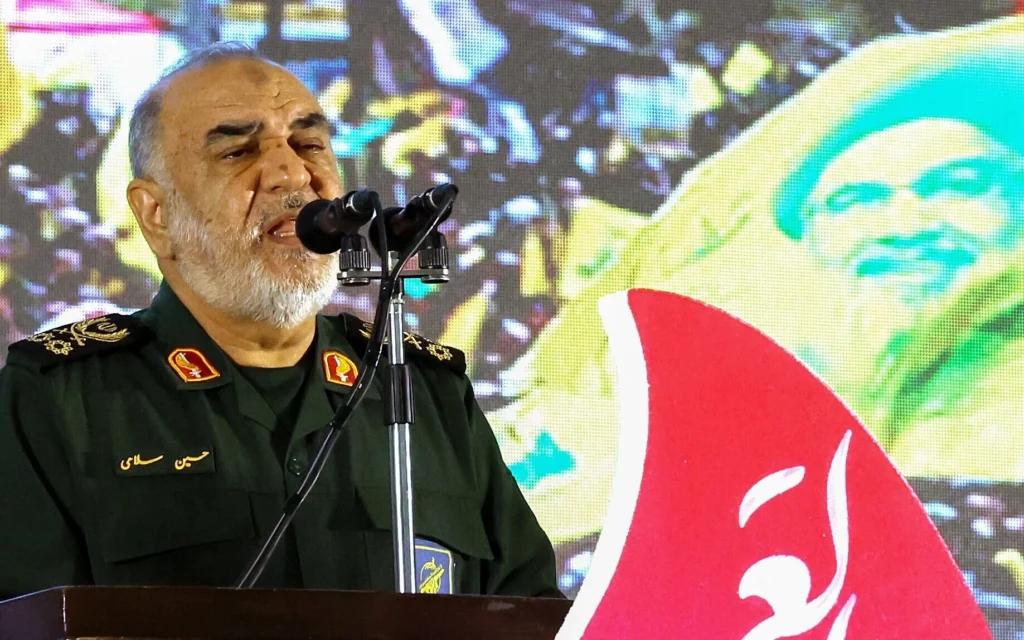
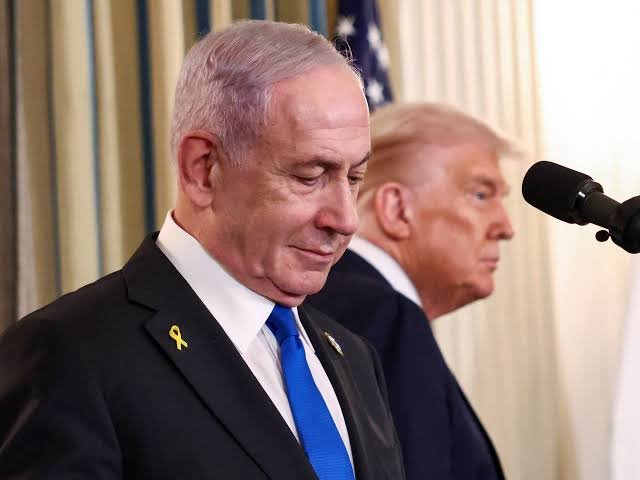
US-Iran negotiations continued in Qatar even as threats of resumed military conflict circulated, with negotiators departing with a draft proposal in circulation. Trump and Israeli Prime Minister Netanyahu discussed the timeline for the talks. The simultaneity of diplomatic talks and combat threats is a defining feature of the current Iran crisis: both parties are negotiating while maintaining credible military options, and the involvement of Netanyahu in discussions about the negotiation timeline reflects the fundamental complexity of any US-Iran agreement — Israel, which is not a party to the talks, has veto power in practice through its ability to strike Iranian nuclear facilities unilaterally.
BREAKING INTERNATIONAL / DIPLOMACY · US · IRAN · QATAR · DRAFT PROPOSAL · TRUMP · NETANYAHU · RESUMED COMBAT · NUCLEAR TALKS · TIMELINE
DOHA / WASHINGTON — US-Iran talks continued in Qatar amid threats of resumed combat, with negotiators departing with a draft proposal circulating, and Trump and Netanyahu discussing the timeline, according to Reuters, Axios, and Just Security. The specific contents of the draft proposal, the US negotiating team lead, the Iranian negotiating team lead, what the threats of resumed combat consisted of and from which side they originated, the substance of the Trump-Netanyahu timeline discussion, whether Qatar played a facilitating role in the talks beyond hosting, and whether any interim confidence-building measures were agreed were not detailed in initial reporting.
The Qatar talks represent the highest-level US-Iran diplomatic engagement since the Biden-era JCPOA restoration negotiations that ultimately failed in 2022. Qatar has served as an intermediary and host for sensitive US-Iran communications in part because both Washington and Tehran maintain diplomatic relations with Doha. The presence of a circulating draft proposal is diplomatically significant — a draft means both parties have agreed on a framework document for discussion even if its terms remain contested. The involvement of Trump and Netanyahu in discussions about the timeline — rather than leaving timeline decisions to the negotiating teams — reflects the political sensitivity of any agreement and the degree to which Israeli concerns about Iranian nuclear progress function as a hard constraint on US negotiating flexibility.
Netanyahu and Israeli Veto Power Over US-Iran Deal
Israel has maintained a consistent position that it will not be bound by any US-Iran nuclear agreement that allows Iran to retain uranium enrichment capacity at any level. Israel has struck Iranian nuclear facilities and affiliated sites on multiple occasions — the cyberattacks on Natanz, the assassination of Iranian nuclear scientists attributed to Mossad, and direct military strikes. A US-Iran deal that Netanyahu views as insufficiently constraining on Iranian nuclear development risks unilateral Israeli military action that would both validate Iranian hardliners who oppose diplomacy and damage the US-Israel relationship. Trump discussion of the timeline with Netanyahu before the deal is concluded signals that Israeli concerns are being factored into the US negotiating position — which in turn constrains how far the US can offer Iran in terms of sanctions relief and enrichment allowances.
“We have a draft on the table. The question now is whether both sides have the political will to move from a draft to an agreement. The threats of resumed combat are real, and so is the opportunity.” — US diplomatic source, Doha, via Reuters / Just Security
WHAT HAPPENS NEXT
► Draft contents — what the circulating proposal covers: enrichment limits, sanctions relief, verification.
► Timeline — how long both sides have to respond to the draft before talks collapse.
► Netanyahu — whether Israel publicly endorses or objects to the draft framework.
► Combat threats — which side is making resumed-combat threats and what triggers them.
► IAEA — whether any new inspection or monitoring measures are part of the draft.
► Congressional reaction — whether Senate Republicans or Democrats weigh in on the Qatar talks.
| CONFIDENCE: HIGH | US-Iran talks continuing in Qatar with a draft proposal circulating and Trump and Netanyahu discussing the timeline confirmed by Reuters, Axios, and Just Security. Three-outlet confirmation including wire, digital, and security-law press. Draft contents, combat threat specifics, Trump-Netanyahu conversation details, and Qatar facilitator role NOT confirmed — flagged. JCPOA history, Netanyahu veto power, and Qatar diplomatic role from established documented record. |
| Bias Check | ||
| Left-Lean | Center | Right-Lean |
| Frames Qatar US-Iran draft as diplomatic breakthrough endangered by Israeli pressure on the timeline. | Reports confirmed US-Iran talks continuing in Qatar with draft proposal circulating and Trump and Netanyahu discussing the timeline as stated by Reuters, Axios, and Just Security. | Frames Qatar US-Iran draft as dangerously weak deal being rushed past Israeli security concerns. |
| Assessment | ONYX presents a confirmed three-source report. Israeli veto power dynamic, JCPOA history, and Qatar diplomatic role from established documented record. Neither breakthrough-endangered nor dangerously-weak framing adopted editorially. | |
SOURCES
► Reuters, Axios, Just Security — US-Iran talks continue in Qatar amid threats of resumed combat; negotiators left with a draft proposal circulating; Trump and Netanyahu discussed the timeline