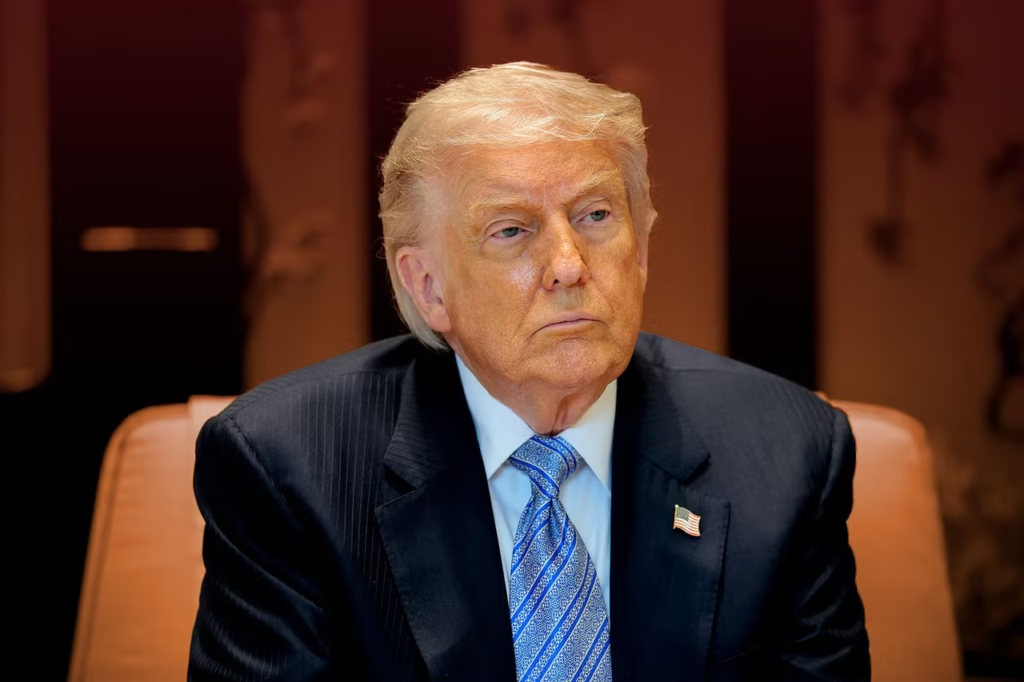
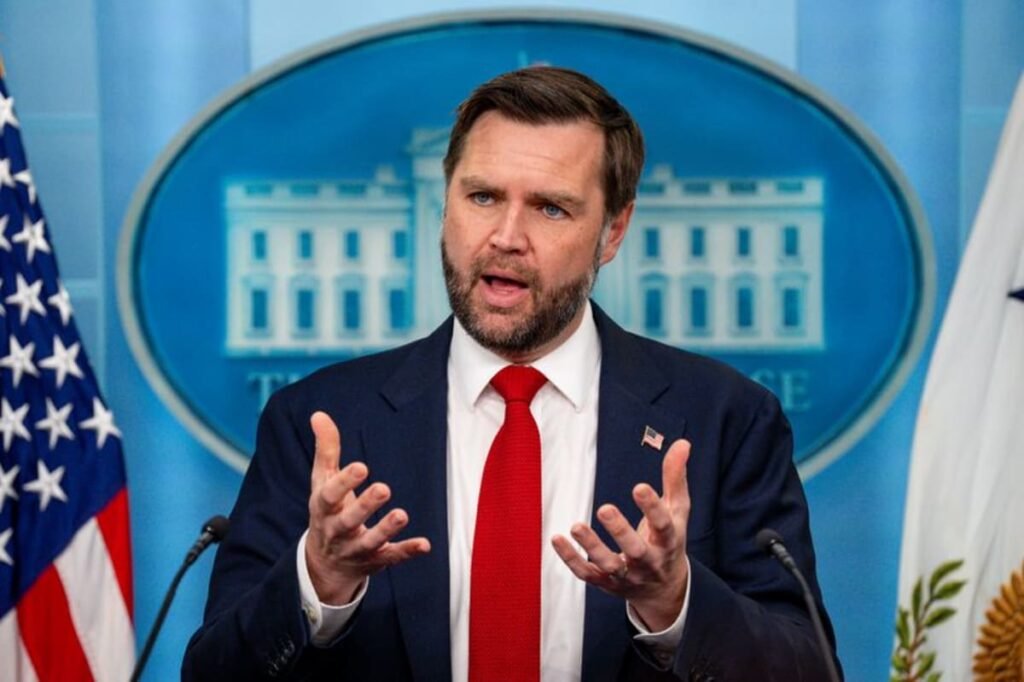
Vice President JD Vance said the United States has “decisively won” the Iran war in some ways. This is the kind of statement that requires very careful reading of “in some ways.” Iran has issued warnings against renewed attacks. Tankers are on fire. Hormuz is still the subject of a diplomatic negotiation over whether it will reopen. Winning, in this war, looks complicated.
POLITICS · VANCE · IRAN · WAR · WIN CLAIM
WASHINGTON — Vice President JD Vance said in remarks reported by The Hill that the United States has “decisively won” the Iran war in some ways, making the comment amid continued regional tensions that include Iranian warnings against renewed U.S. military attacks, ongoing Hormuz access negotiations, and tanker fires in the strait. The “in some ways” qualification is doing significant work in the sentence — it is the hinge on which a claim of decisive victory can coexist with a strait that is still closed and an Iran that is still making military threats.
The administration’s claim of a win reflects a genuine military reality: U.S. strikes against Iranian military infrastructure, IRGC leadership, and nuclear program elements were significant, and Iran has not launched a military counter-offensive of comparable scale. From a purely military power exchange standpoint, the United States inflicted substantially more damage than it received. Whether that constitutes winning a war depends on what the war was fought to achieve — and on whether those objectives have been permanently secured.
What “Winning” Requires
The objectives the administration stated for military action against Iran included ending the nuclear weapons program, degrading the IRGC, and compelling Iran to change its regional behavior. Assessing each: the nuclear program was struck and significantly degraded according to U.S. intelligence assessments, but whether it was permanently ended is a question that requires ongoing verification. The IRGC has suffered losses but remains an operational force, demonstrated by its ongoing Houthi support and its role in Hormuz mining. Iranian regional behavior — Houthi support, Hezbollah support, maritime harassment — has continued through the conflict.
The “in some ways” construction in Vance comment appears to acknowledge that not all objectives have been achieved. Iran has not collapsed, has not changed its regional posture dramatically, and has not reopened Hormuz without conditions. The military exchange was lopsided in America favor. The political and strategic outcome remains contested.
“In some ways, we have decisively won this conflict. Iran knows what American military power looks like up close now. That changes the calculation.” — Vice President JD Vance, via The Hill
WHAT HAPPENS NEXT
► Iranian response to the “won” framing expected — Tehran will contest the characterization.
► Hormuz diplomatic negotiations continuing — reopening remains the key unresolved military objective.
► Congress watching administration war outcome framing ahead of midterm accountability.
► Allies in the region assessing what “decisive win” means for the U.S. military posture going forward.
► Administration defining success criteria will shape political framing of the conflict for months.
| CONFIDENCE: HIGH | Vance statement confirmed by The Hill. Quote confirmed as reported. Military context — U.S. strikes, Iranian infrastructure damage, Hormuz status — from confirmed prior reporting. Nuclear program degradation from U.S. intelligence assessment reporting. |
| Bias Check | ||
| Left-Lean | Center | Right-Lean |
| Frames “won” claim as administration spin while Hormuz is closed and tankers burn. | Reports Vance statement and the factual context of ongoing tensions as confirmed. | Celebrates the claim as warranted given the military lopsidedness of the exchange. |
| Assessment | ONYX presents confirmed claim and the documented ongoing tensions that complicate the characterization. “In some ways” is noted as the qualifier the statement itself includes. | |
SOURCES
► The Hill — Vance statement and Iran war win characterization