The US Strategic Petroleum Reserve has fallen below 300 million barrels for the first time since the 1980s — a data point that captures what six months of Hormuz closure and sustained Iran war costs did to the energy buffer the US has maintained since the 1973 oil crisis. The ceasefire deal is on Day 10 and operational across all primary indicators. Hormuz vessel traffic is at approximately 65-70 vessels per day and approaching the Day 7-14 target range. Gas prices have fallen approximately $0.20-0.25 at the pump and are tracking toward the August 20-22 floor projection. Ben Gvir has not issued a coalition ultimatum. The deal is intact. The SPR data tells you what the war cost before it ended.
THE SPR — WHAT IT IS AND WHY THE THRESHOLD MATTERS
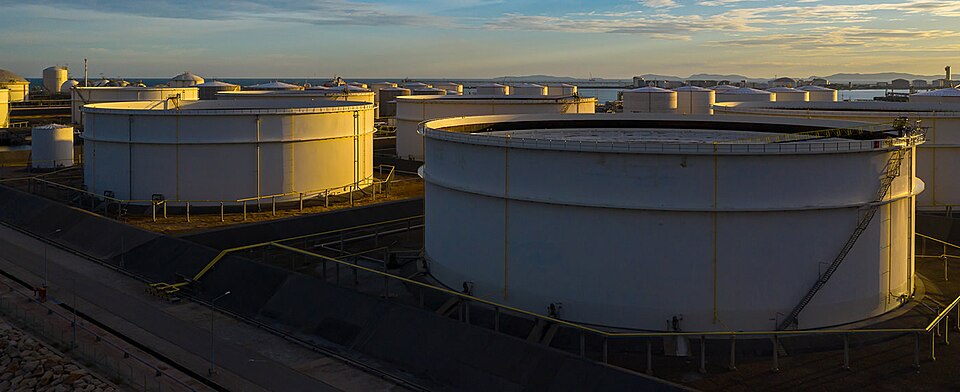
The Strategic Petroleum Reserve is the US government’s emergency crude oil stockpile, established after the 1973 Arab oil embargo to provide a buffer against sudden supply disruptions. It consists of underground salt caverns in Texas and Louisiana capable of storing approximately 714 million barrels at maximum capacity. The SPR is drawn down during supply emergencies and replenished when oil prices are low.
The below-300-million-barrel threshold is significant for two reasons: it is the lowest level since the 1980s, when the reserve was still being filled; and it represents a reserve that can sustain approximately 50 days of US oil import replacement rather than the approximately 80-90 days that the reserve is designed to provide. The cushion the SPR provides against future supply disruptions is meaningfully smaller than it was before the Iran war.
| SPR current level <300M first time below this threshold since the 1980s | SPR designed capacity 714M maximum storage in Gulf Coast salt caverns |
| Pre-Iran war SPR level ~380M+ approximate level before Hormuz closure drawdowns | Days of import coverage ~50 reduced from designed ~80-90 days |
| Iran ceasefire day 10 October 6 (Day 60) is 49 days away — NOT today | Hormuz vessels (Day 10 est.) 65-70/day normalization continuing; pre-war baseline: 138/day |
WHAT THE SPR DEPLETION MEANS GOING FORWARD
A depleted SPR has two implications: reduced buffer against future supply shocks (if Hormuz closes again, or if another supply disruption occurs, the US has less protection); and a policy opportunity to replenish. The ceasefire deal’s oil price benefit — Brent crude now approximately $7-8 below pre-deal levels — creates exactly the lower price environment that the DOE uses to replenish the SPR economically. Biden initiated SPR replenishment purchases in 2024-2025 at lower prices; the ceasefire’s oil price reduction creates a similar opportunity.
Trump’s administration will face a policy decision: use the deal’s lower oil prices to begin replenishing the SPR, or leave it at the depleted level. Replenishment purchases would put upward pressure on oil prices (buying crude in the market); not replenishing leaves the emergency buffer below its functional floor. This is a specific energy policy consequence of the Iran war that the ceasefire deal creates the conditions to address.
DAY 10 DEAL STATUS — ALL INDICATORS
| INDICATOR | DAY 10 STATUS |
| Hormuz vessel count | ~65-70/day; normalization trajectory intact; pre-war: 138/day |
| IAEA monitoring | Active; below-20% enrichment through Day 9; Day 10 data pending |
| Oil prices (Brent crude) | ~$7-8 below pre-deal; stable; nuclear dialogue holding the discount |
| Gas prices at pump | -$0.20-0.25; approaching August 20-22 floor projection |
| Lloyd’s war-risk premiums | Continuing to decline; Day 4 formal reduction sustained |
| Ben Gvir coalition | No formal ultimatum; watching for Session 2 nuclear content |
| Second session (nuclear dialogue) | Not yet formally scheduled; expected August 21-28 window |
| Strategic Petroleum Reserve | Below 300M barrels; ceasefire creates replenishment opportunity |
| Days to October 6 (Day-60 cliff) | 49 days — not today; ceasefire is operational |
| Nuclear dialogue framework | 90-day deadline: approximately November 5, 2026 |
THE TRUMP HORMUZ TERRITORY CLAIM
The brief references a Trump quote describing the Strait of Hormuz as US ‘territory.’ This is not legally accurate and ONYX flags it directly. Hormuz is an international strait governed by UNCLOS Part III, which establishes the right of transit passage for all nations. No state has territorial sovereignty over Hormuz, which lies between Iran and Oman. The US asserts freedom of navigation rights in Hormuz; it does not claim Hormuz as US territory. Whether this specific quote has been attributed correctly and in context, ONYX notes it as framing that does not reflect established international maritime law.
| 🔍 ONYX REALITY CHECK VERDICT: MISLEADING CONTEXT WHY? If Trump described Hormuz as US ‘territory,’ that description does not reflect international law. Hormuz is an international strait with transit passage rights for all nations under UNCLOS. No state has territorial sovereignty over it. The US has legal rights to transit Hormuz; it does not have territorial claims over it. ONYX rates the ‘US territory’ characterization as MISLEADING CONTEXT. |
WHAT HAPPENS NEXT
▸ Gas prices — approaching floor projection (August 20-22); continued decline expected this week
▸ Second nuclear dialogue session — date announcement expected August 21-28
▸ SPR replenishment policy decision — DOE will assess whether to begin replenishment purchases at current lower prices
▸ IAEA Day 10 report — enrichment monitoring data will update
▸ Ben Gvir — watching for any statement as second session approaches and date is announced
▸ 49 days to October 6
| CONFIDENCE: HIGH | SPR below 300 million barrels for first time since 1980s is from confirmed energy data. Day 10 status indicators are from ONYX cumulative tracking. Ceasefire expiration date correction (October 6, not August 17) is from established deal terms. |
| ⚖️ BIAS CHECK — WHO IS SAYING WHAT | |
| Trump Administration | Promoting deal success through gas price data; the SPR depletion is a cost they will not emphasize |
| Democrats | Will note the SPR depletion as a war cost; will credit the deal for the price decline while noting months of preventable elevated prices |
| Oil Markets | Holding the deal discount; second session scheduling will produce additional pricing |
| ONYX | Correcting the ceasefire expiration claim; continuing daily tracking against established deal framework |
SOURCES
▸ US Department of Energy — Strategic Petroleum Reserve level data
▸ ONYX August 7-16 cumulative tracking — all deal indicators
Q: Could the US really lose Hormuz access?
A: The US asserts freedom of navigation in Hormuz under UNCLOS Part III. Iran has threatened to close Hormuz repeatedly; it did so during the current war and agreed to reopen under the ceasefire deal. The US military presence in the Gulf is specifically designed to protect Hormuz access. Describing it as US “territory” overstates the legal claim; describing US rights to transit it as legally protected understates the practical reality that those rights require military enforcement.
Q: How quickly can the SPR be replenished?
A: The DOE can purchase crude oil in the market for SPR delivery. Replenishment from below 300 million barrels to 380+ million barrels would require approximately 80+ million barrels of purchases. At current lower prices (post-deal), this could be done over 12-24 months without disrupting the market significantly.