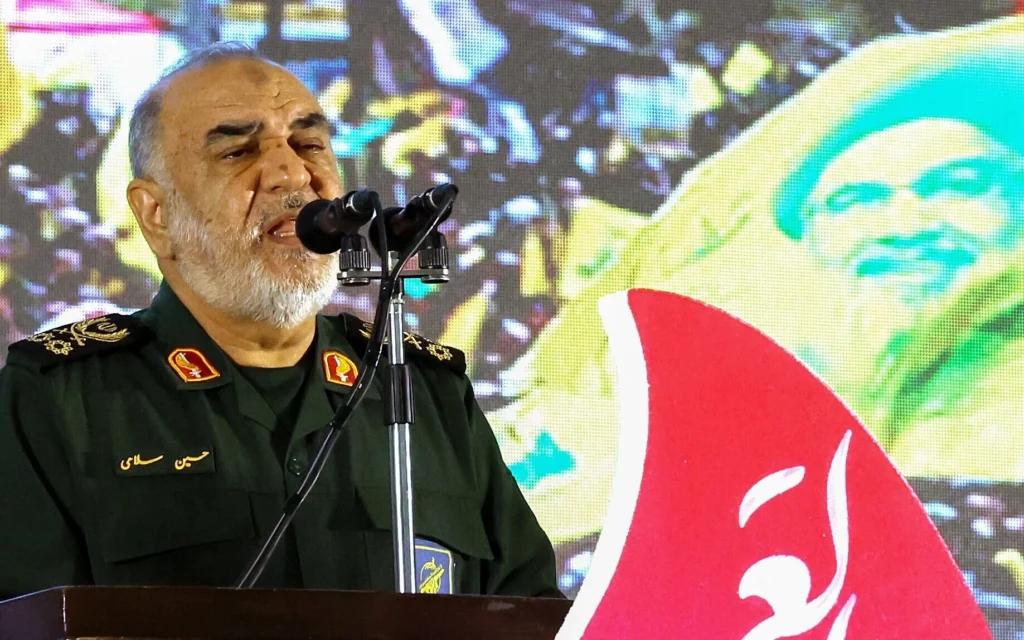
Iranian authorities executed a man they accused of conducting an armed operation in support of Reza Pahlavi — the exiled son of the late Shah and a prominent figure among Iranian opposition in exile. AP confirmed the execution. The case connects Iranian internal security crackdowns to the broader campaign against the exile opposition, and it signals that Tehran is treating Pahlavi-aligned dissent as a capital offense.
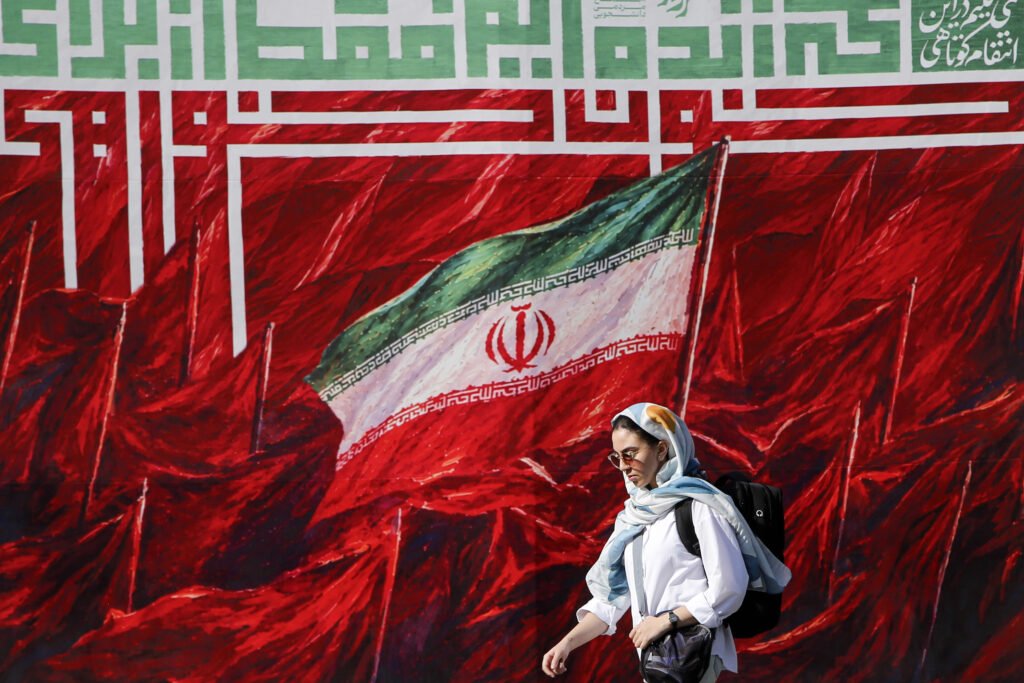
🇮🇷 TEHRAN · OCTOBER 14, 2026 · IRAN EXECUTION / PAHLAVI CONNECTION
Iranian authorities executed a man they described as having conducted an armed operation against the government in support of Reza Pahlavi, the exiled former crown prince of Iran who leads a significant segment of the Iranian exile opposition. AP confirmed the execution. The identity of the executed man, the specifics of the alleged armed operation, and the legal proceedings that led to the execution were not fully detailed in available AP reporting. What is established: Iran carried out an execution, publicly tied it to alleged support for Pahlavi, and issued that characterization through state channels.
Reza Pahlavi, who lives in the United States, has been an increasingly prominent figure in Iranian opposition circles since the 2022 Mahsa Amini protests and their brutal suppression. He has met with Western governments, addressed the United Nations, and cultivated relationships with the broader Iranian opposition coalition. The Iranian government characterizes him as a foreign-backed agent working to destabilize the Islamic Republic. Whether the executed man had any genuine operational connection to Pahlavi or his organization — or whether the connection is an allegation designed to frame domestic dissent as foreign-directed treason — is not established by the available reporting.
IRAN EXECUTION RECORD
Iran is one of the most active executing states in the world by per-capita rate. In 2023 and 2024, Iran executed hundreds of people annually, including political prisoners, protesters from the Mahsa Amini demonstrations, and individuals convicted under charges of terrorism, armed rebellion, and related offenses that human rights organizations have repeatedly characterized as pretextual. The use of capital punishment against alleged dissidents serves multiple functions: physical elimination of active opponents, deterrence of potential dissidents, and a public signal about the seriousness with which the government treats opposition.
Connecting executions to Reza Pahlavi specifically is a newer tactic. It suggests that the government is attempting to frame the exile opposition — particularly the Pahlavi network — as not merely political opponents but as organizers of armed violence. That framing serves to delegitimize the exile opposition internationally and to justify treatment of its alleged supporters inside Iran as enemy combatants rather than political prisoners. It also creates pressure on Western governments that have received Pahlavi, asking them implicitly whether they want to be associated with what Iran characterizes as armed operations against a sovereign government.
THE WESTERN GOVERNMENT DIMENSION
The execution, publicly tied to Pahlavi, will force a response from Washington and European capitals that have engaged with him. The US government — and governments in France, Germany, and the UK — will need to characterize the execution either as a politically motivated killing or as a legitimate security measure. Characterizing it as the former aligns with the human rights record and the broader pressure campaign on Iran. Characterizing it as the latter would represent a significant accommodation of Iranian framing that is both factually contested and politically untenable for governments that have publicly supported the Iranian opposition.
“Iran executed a man for allegedly supporting Reza Pahlavi with an armed operation. That is a capital charge. Tehran is now explicitly connecting internal dissent to the exile opposition. The executions are making an argument to the world about what that opposition is.”
WHAT HAPPENS NEXT
► Identity and case details — fuller reporting on who was executed and what the alleged operation involved
► Pahlavi response — whether Reza Pahlavi publicly addresses the execution
► US State Department — whether the administration issues a statement on the execution
► Human rights organizations — Amnesty International and HRW response
► Iranian opposition — reaction from the broader exile opposition coalition
| CONFIDENCE: HIGH | AP confirmed Iran executed a man charged with conducting an armed operation in support of Reza Pahlavi. Full case details not yet available. |
| BIAS CHECK | ASSESSMENT |
| Source weight | AP — tier-one wire; confirms the execution and the stated charge |
| Pahlavi framing | Exile position and government characterization both described; Iranian framing noted as allegation, not established fact |
| Execution characterization | Pattern of Iranian executions cited from documented human rights reporting; not used to pre-judge this specific case |
| Western government framing | Response options described analytically; no editorial position on what the correct response should be |
SOURCES
► AP — Iran executes man charged with armed operation in support of Reza Pahlavi, October 14, 2026