Three specific conditions. A public rejection. A private plan, per the Wall Street Journal, to resume bombing after the midterms. Here’s the actual proposal, term by term.
ONYX NEWS STAFF — DATELINE: NEW YORK / WASHINGTON
| 2-MINUTE CONTEXT Iran’s Foreign Minister presented a seven-day proposal to Trump’s envoy Steve Witkoff on the sidelines of the UN General Assembly this week. Trump rejected it Saturday, telling reporters Iran wanted a deal because it was “losing so badly.” |
The Actual Terms Iran Offered
Foreign Minister Abbas Araghchi told journalists Friday night that under Tehran’s proposal, Iran would reopen the Strait of Hormuz and resume nuclear program talks within seven days — conditioned on three specific US actions: lifting the naval blockade of Iranian ports, waiving sanctions on Iranian oil sales, and observing a ceasefire that would extend to Lebanon. “If this message reaches the president of the United States, or the interviewers and those involved in the discussions, naturally the process will begin from the very day they accept it,” Iranian President Masoud Pezeshkian told CBS News’ Margaret Brennan.
Trump’s Rejection, and What’s Reportedly Behind It
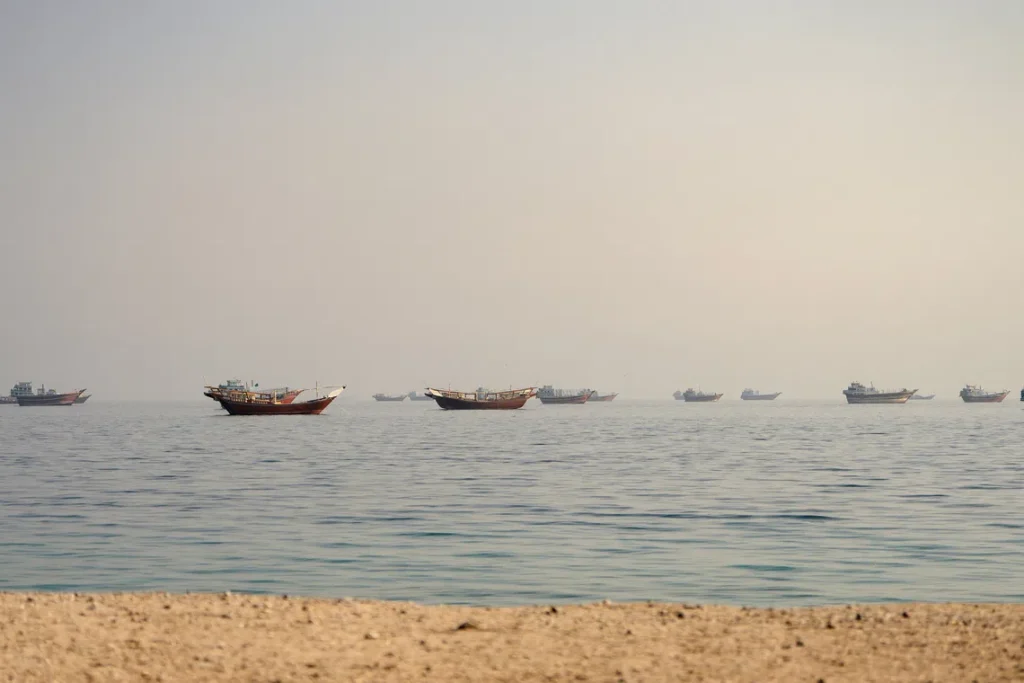
Trump confirmed the rejection Saturday, telling reporters outside the White House that Iran should “immediately open the Hormuz Strait… because they have no money coming in.” He posted an image to Truth Social of the Strait of Hormuz circled and labeled “Trump Strait” — not the first time he has used the platform to needle Iran over the waterway. The Wall Street Journal, citing unnamed US officials, reported that Trump was privately skeptical Iran would meet his demands and had told staff he views a renewed bombing campaign as likely after the November midterms.
| “This has not been the position of the Iranian government, that we seek to assassinate President Trump or his family members.”— Iranian President Masoud Pezeshkian, in an interview with CBS News |
The Detail Nobody Can Independently Confirm
In the same CBS interview, set to air in full Sunday, Pezeshkian offered his own assessment — as a physician by training — that Supreme Leader Mojtaba Khamenei has “no specific ongoing health issues,” despite not having appeared in public since the war began. Pezeshkian described his most recent meeting with Khamenei as lasting more than seven hours. This is Pezeshkian’s own account; it has not been independently verified, and Khamenei’s continued public absence remains, on its own, a notable and unexplained fact.
Where the War Stands
The rejection comes as fighting continues elsewhere: Saudi Arabia said Sunday it intercepted another missile it attributes to Iran-backed Houthi forces in Yemen. Earlier in the week, Iranian and US officials had described their direct talks as “positive and constructive,” a tone that stands in some tension with Saturday’s public rejection.
| THE PROPOSAL VS. THE RESPONSE | |
| 7 days timeline: Iran offered to reopen Hormuz under its conditions | 3 specific US actions Iran’s proposal required |
| Rejected Trump’s public response, Saturday | Post-midterm when WSJ reports Trump privately expects renewed bombing |
| WHY THIS MATTERS: A specific, conditional proposal getting a specific public rejection — rather than silence or vague dismissal — is itself informative: it means both sides are still negotiating in public view rather than letting talks go fully dark, even as the underlying positions remain far apart. |
| WHAT HAPPENS NEXT: CBS airs the full Pezeshkian interview Sunday. ONYX will track whether Iran’s proposal is revised or withdrawn following Trump’s rejection. |
| SOURCE TRANSPARENCY: CBS News — original Pezeshkian interview and live updates, September 26–27, 2026. The Wall Street Journal, cited via France 24 — reporting on Trump’s private post-midterm bombing timeline. PBS NewsHour, CBC News, Anchorage Daily News/AP — confirmatory reporting on proposal terms and Trump’s rejection |