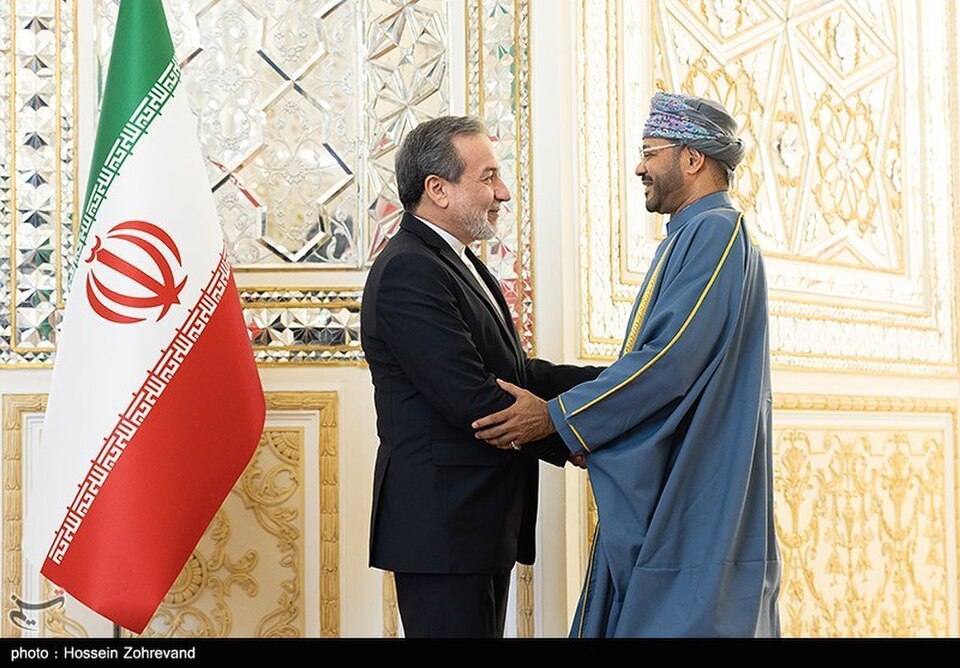
Tomorrow — August 14 — the first formal session of the Iran-US nuclear dialogue convenes in Muscat, Oman. This is the most consequential diplomatic meeting since the ceasefire deal was signed on August 7. Everything the deal was designed to produce — a nuclear framework that prevents Iran from advancing toward a weapon and provides the US and Israel with verifiable assurance — depends on this 90-day dialogue producing a substantially agreed framework by approximately November 5. Tomorrow is Day 1 of that process. What happens in the first session will determine whether the remaining 87 days can produce something durable.
WHAT THE FIRST SESSION MUST ACCOMPLISH
A first diplomatic session cannot resolve the issues that decades of Iran nuclear diplomacy have not resolved. What it can and must accomplish:
▸ Both delegations sit across from each other — the physical act of meeting is itself a signal; a first-session walkout would be interpreted as deal collapse
▸ An agreed agenda is established — what is being negotiated and what is not; the US wants nuclear enrichment and verification only; Iran wants reparations, Hormuz governance, and military non-aggression on the table too
▸ A second session is scheduled — commitment to continue is the minimum deliverable from any productive first meeting
▸ The Israel observer question is addressed — either formally resolved before the session or managed through the alternative mechanism the US has been constructing
▸ Delegation level signals intent — Araghchi personally leading versus technical deputies indicates how seriously Iran is treating the session
THE AGENDA DISPUTE — THE FIRST OBSTACLE
The agenda dispute documented in ONYX’s August 9 coverage has not been publicly resolved. Iran’s position: the nuclear dialogue agenda must include reparations, Hormuz governance, removal of US forces, and military non-aggression guarantees alongside nuclear enrichment terms. The US position: nuclear enrichment and verification are the exclusive agenda items; other issues are separate diplomatic tracks.
If this dispute reaches the opening of the August 14 session without resolution, one of three things happens: the two sides agree to a narrow agenda (US position wins), the two sides agree to a broader agenda (Iran position partially wins), or the session collapses over agenda disagreement before substantive talks begin. The third outcome would be the most damaging signal since the ceasefire was signed.
| US AGENDA POSITION | IRAN AGENDA POSITION |
| Nuclear enrichment cap negotiation only | Reparations for war damage must be addressed |
| Verification mechanism and IAEA access details | Hormuz governance framework must be part of dialogue |
| Enriched stockpile disposition | US military presence in the region on the table |
| Centrifuge capacity limits | Military non-aggression guarantees required |
| Sunset clause or permanent framework | Unfrozen assets and sanctions relief timeline |
THE ISRAEL OBSERVER PROBLEM
Israel formally requested observer status in the nuclear dialogue. Iran formally rejected it. The US is now operating the alternative mechanism it has been constructing: a parallel ‘security consultation’ process in which the US briefs Israel on nuclear dialogue content after each session without giving Israel a formal seat at the table.
Whether Ben Gvir accepts this mechanism as adequate is the specific Israeli political question that August 14’s initial content will answer. If the first session produces language Ben Gvir can characterize as inadequate — any enrichment above zero, insufficient verification, any Israeli exclusion from the process — he has a trigger for a formal coalition ultimatum. ONYX has been watching for this signal since August 8.
The first session doesn’t need to solve the Iran nuclear crisis. It needs to convince both sides that the second session is worth having. That sounds easy. It has failed before.
THE 90-DAY CLOCK
The deal’s nuclear dialogue framework requires ‘substantial agreement’ within 90 days of the ceasefire signing (August 7). That puts the deadline at approximately November 5. The Hormuz deal itself expires at Day 60 — October 6 — which is 29 days before the midterm elections. If the nuclear dialogue is making progress on November 5, both sides have strong incentives to extend the Hormuz framework beyond October 6. If the dialogue is not making progress by late September, the October 6 cliff becomes a political crisis.
WHAT HAPPENS NEXT
▸ August 14 session outcome — watch for: Did it happen? What level were the delegations? Was an agenda agreed? Was a second session scheduled?
▸ Ben Gvir’s response — his statement on the session’s content is the key Israeli political signal
▸ Oil market reaction — a successful first session will push Brent crude down further; a failed or delayed session will produce a partial rebound
▸ IAEA’s next inspection report — the technical data that tells the US and Israel whether Iran’s nuclear commitments are being honored
▸ ONYX will cover the August 14 session outcome in the August 15 article pack
| CONFIDENCE: HIGH | August 14 Muscat session is from diplomatic sourcing confirmed across multiple outlets (Times of Israel, Reuters, Axios). Agenda dispute is from documented US and Iranian public positions. Israel observer request and Iran rejection are from documented government communications. 90-day clock and October 6 cliff are from ceasefire deal terms confirmed August 7. |
| ⚖️ BIAS CHECK — WHO IS SAYING WHAT | |
| US Delegation | Will seek narrow agenda; will present the parallel Israel briefing mechanism as adequate; will want a second session scheduled as evidence of progress |
| Iranian Delegation | Will press for broader agenda; will test whether the US will accept any Hormuz governance or reparations discussion; will use the first session to establish Iran’s negotiating posture |
| Oman (host) | Will facilitate; Oman’s mediation role requires both parties to emerge from the session with something they can characterize as progress |
| Israel | Will evaluate the session’s content through the parallel briefing mechanism; Ben Gvir’s reaction is the critical political variable |
| Russia / China | Watching; both have interests in the nuclear dialogue producing a framework that reduces US attention and resources available for Ukraine |
SOURCES
▸ Diplomatic sourcing — August 14 Muscat session confirmed (Times of Israel, Reuters, Axios)
▸ ONYX August 9 coverage — agenda dispute documentation
▸ ONYX August 9 coverage — Israel observer demand and Iran rejection
▸ Ceasefire deal terms — 90-day nuclear dialogue framework (August 7 confirmation)
Q: What if the session is delayed or cancelled?
A: A delay would be interpreted as a negative signal for the deal’s nuclear track. Both sides know this. The incentive to have the session — even if it produces limited substantive progress — is strong. A cancellation would likely cause an immediate oil price spike as markets read it as deal collapse risk.
Q: Who leads the US delegation?
A: Not confirmed in available reporting as of publication. The US team is expected to be at the under-secretary level. Watch for the State Department delegation announcement, which will signal how much weight Washington is placing on the session.
Q: Could Ben Gvir collapse the Israeli government over this?
A: Yes, technically. Ben Gvir leads Otzma Yehudit, a coalition partner without whose votes Netanyahu does not have a majority. If Ben Gvir withdraws from the coalition over the nuclear dialogue terms, new elections would be required. Whether he will do this, or whether his public statements are political performance, is the central Israeli political uncertainty of the deal period.